

 Slovenská verzia
Apple
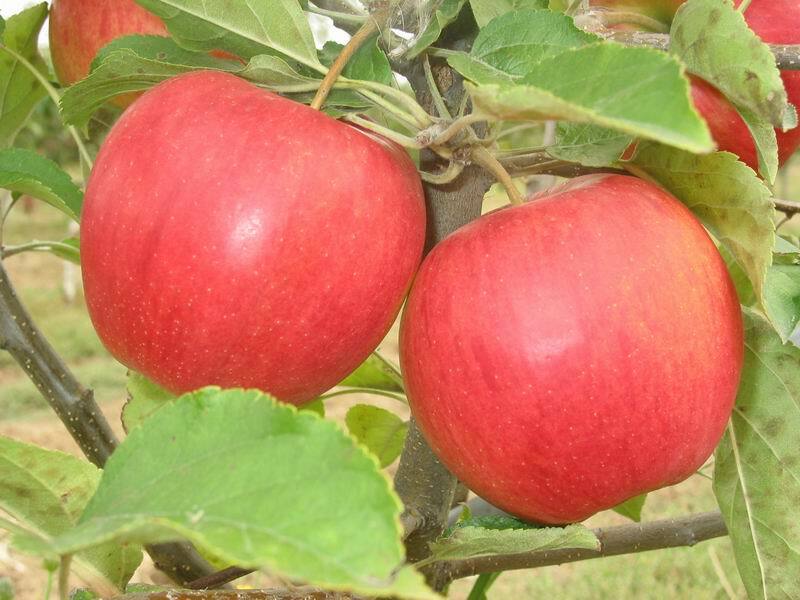
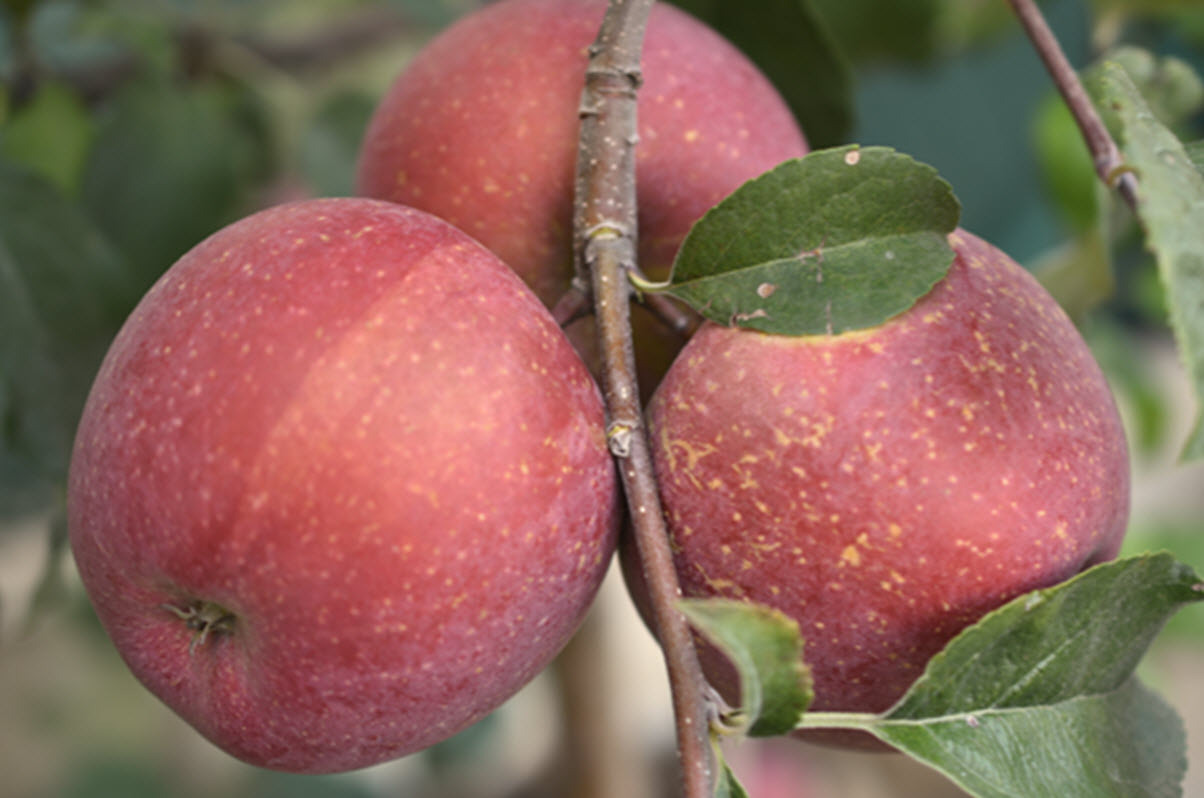
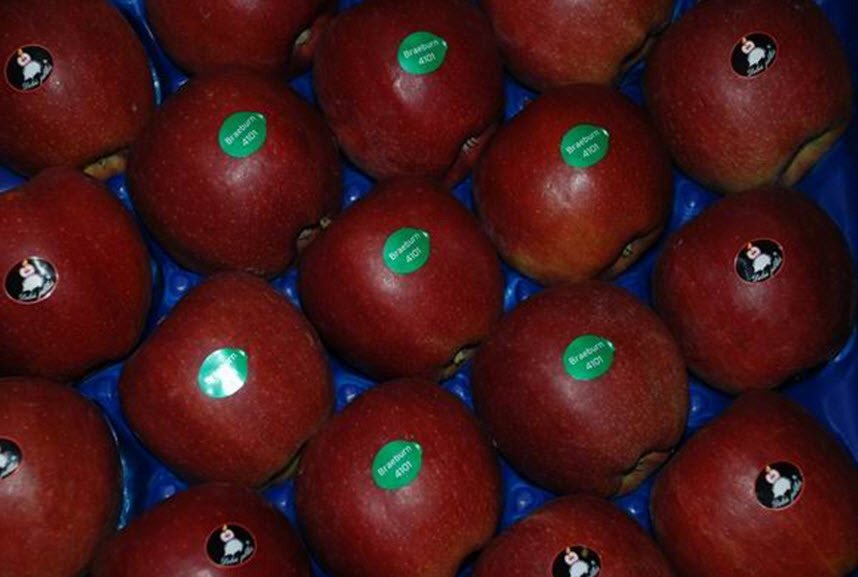
Short description of the species
Interesting
There are around 7,500 varieties of apples in the world, which were cultivated 4,000-10,000 years ago and reached Europe via the Silk Road.Usage
direct consumption, processing into juices, cider, drying, distillationSuitable growing locations
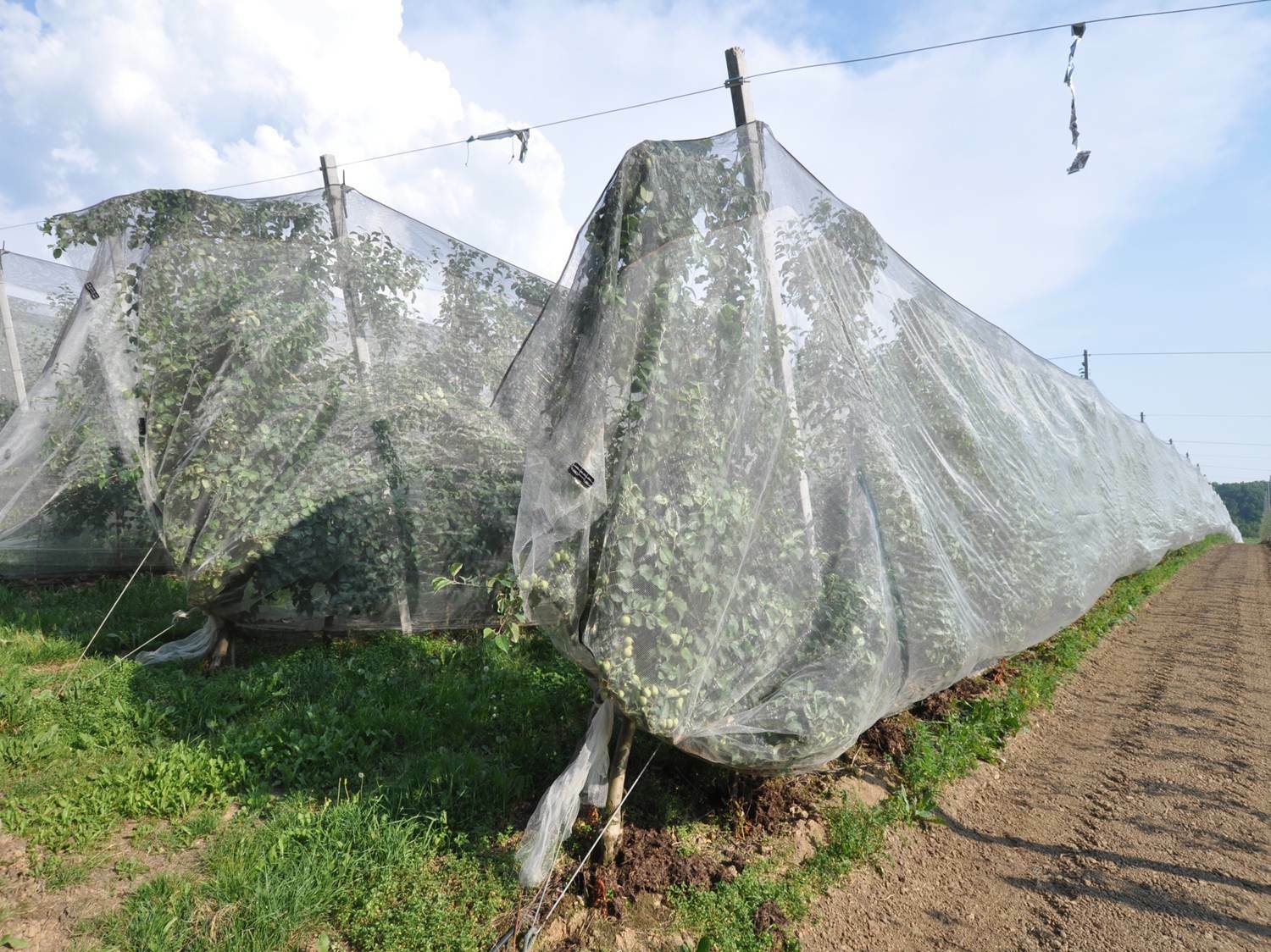
The most suitable areas for growing apple trees are locations up to 350 m.a.s.l., with the possibility of growing some varieties up to 500 m.a.s.l., but with a restriction for late-ripening varieties. The optimum average annual temperature is 8°C with 600-800 mm of precipitation per year. Medium-heavy loamy-sandy or sandy-loamy soils rich in nutrients with a pH of 6.2-7.5 are suitable. On heavier soils, the growth of trees tends to be slower in the first years. Stony, shallow soils with a high groundwater level are unsuitable. Slightly hilly and unduscientificg habitats are suitable, too warm and dry southern slopes or closed basins with little air flow are less suitable.
Suitable rootstocks
A fundamental condition for growing apple trees in the shape of spindles is the selection of rootstocks. For intense low-stem shapes of slender spindles, we choose weak to very weak rootstocks. The M9 rootstock and its clones (T337, T339 and Carolina) are currently the most widespread and the most plastic to the site conditions. Another condition is that the planting material is virus-free. Of the other rootstocks for spindles, the M26, M27, J-TE-E, J-TE-F, J-TE-G, J-TE-H and other rootstocks are also suitable, but absolutely satisfactory results are achieved on the virus-free M9 rootstock.
Suitable varieties
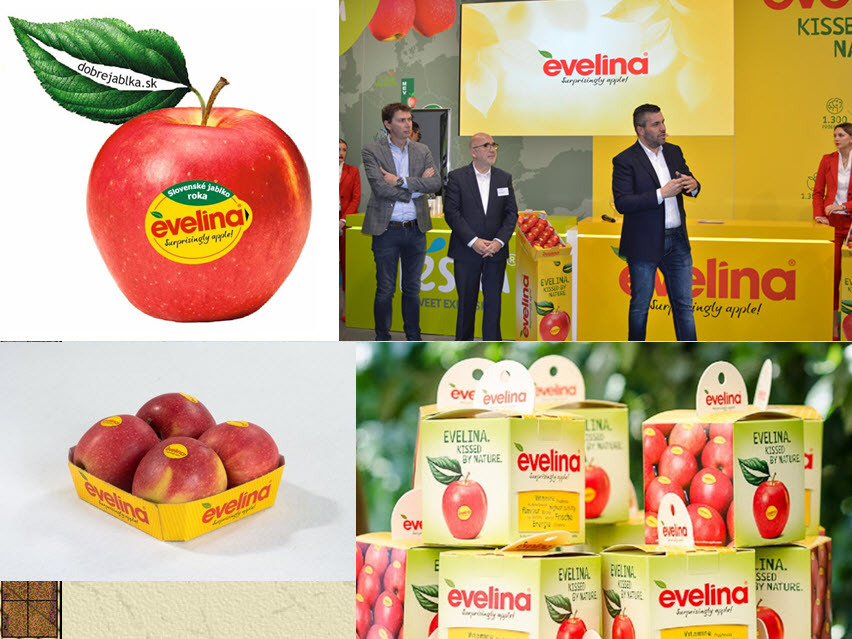
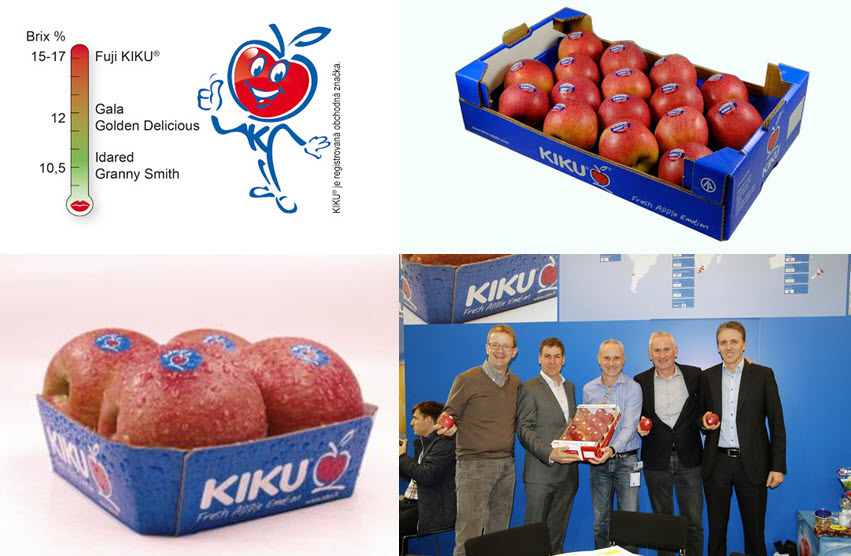
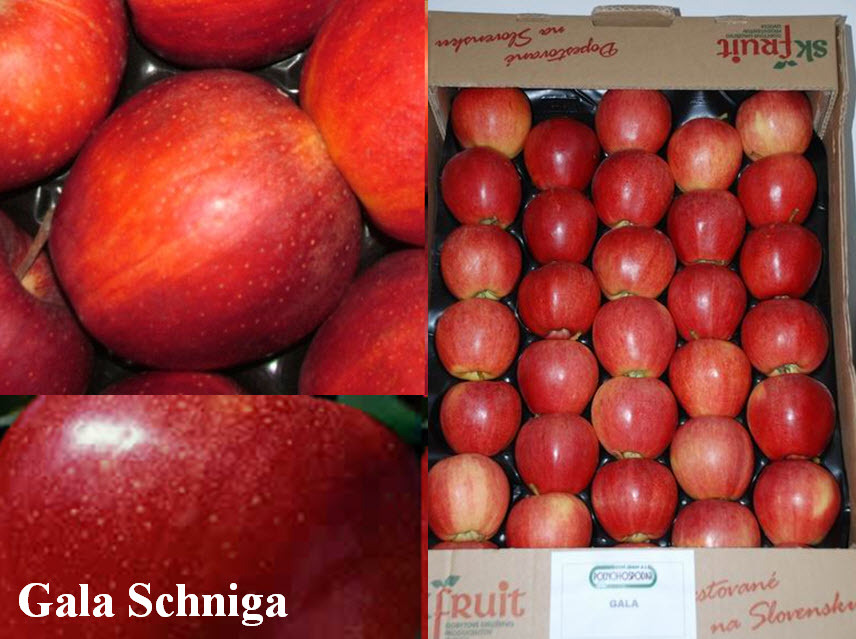
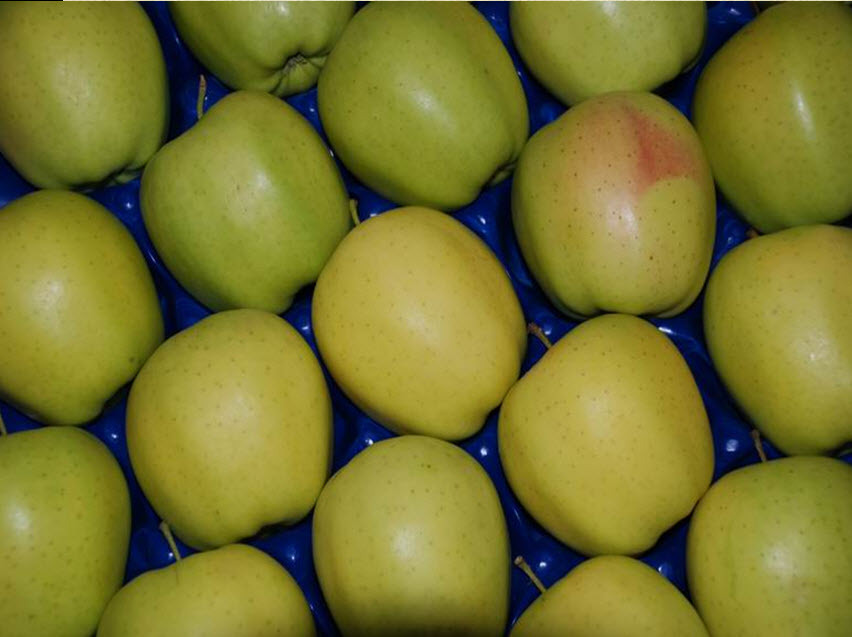
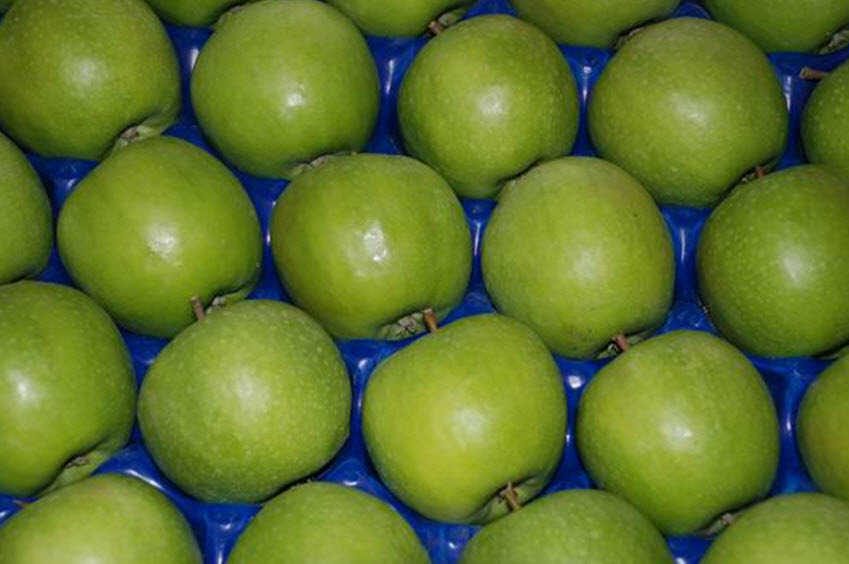
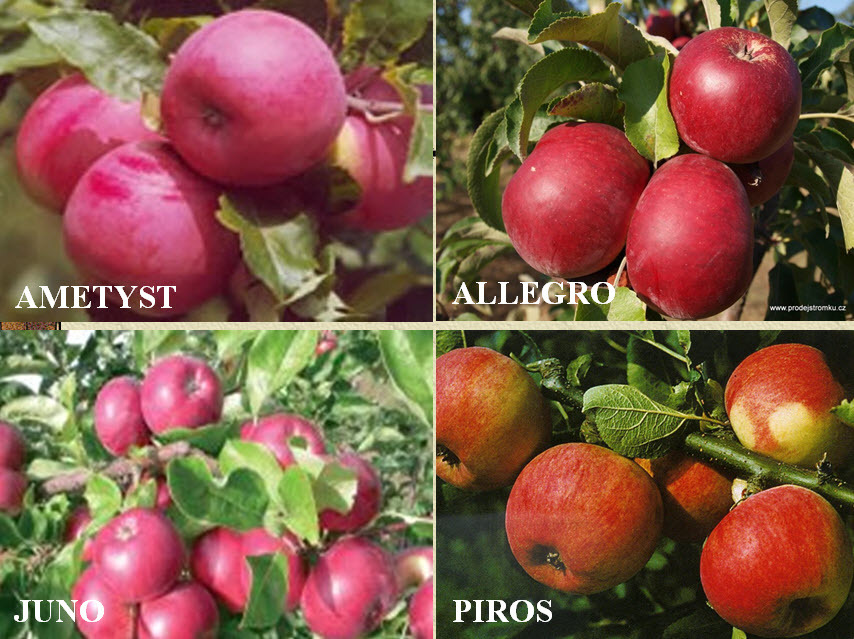
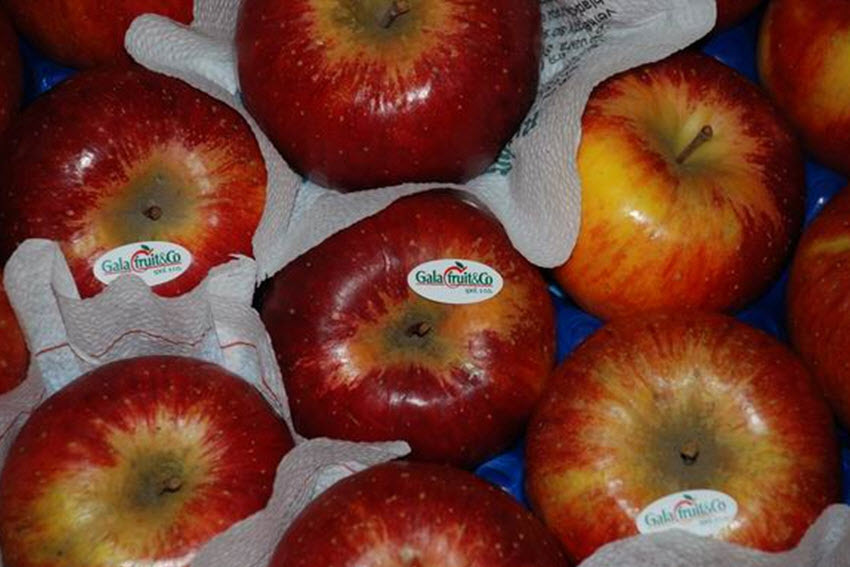
Among the early (summer) varieties of apple trees, we recommend the varieties Galmac, Initial, Piros, which are resistant to apple scab and tolerant to apple powdery mildew. Of the autumn varieties of apple trees, it is primarily Gala and its clones, especially the Schniga/Schnitzer/Schnico clone, but also the newer clones Simmons/Buckeye, Gala Decarli fendeca and Galaval, which have a high market value. Of the other modern autumn varieties, there are e.g. Honeycrisp, Antares and Daliclass. From the group of winter varieties, the Golden Delicious variety and its clones (Smoothie, clone B, Reinders, Golden Parsi, Pink Gold and others) are a constant in the plantings. For areas with longer vegetation, late varieties such as Fuji and its clones Kiku 8, Fubrax, King Fuji and Raku-Raku are suitable. The Braeburn variety and its Hilwell and Mema clones are already on the decline in modern fruit growing. A stable place is held by the Granny Smith variety and especially its Challenger clone. A valuable clone of the Pinova variety is Evelina, which regularly wins the title of Apple of the Year. contest. Very valuable are also plantings of the Czech varieties Rubinola, Topaz, or Red Topaz. All previous varieties, as well as local varieties of local importance, are cultivated abroad. A special place is occupied by club varieties. They are very strongly marketed new varieties or clones and are licensed and marketed under their own brand in only limited quantities and have their own marketing. They are about 30% more expensive. These include varieties such as Kanzi, Evelyna, Pink Lady, Jazz, Sweet Tango, Kiku 8, Golden Orange, Lucy, Opal, Pink Gold, etc. From the new generation, especially high-quality Czech varieties, we recommend the varieties Luna, Opal, Lipno, Orion, Rozela, Admiral, Merkur and Shalimar, which are resistant to scab and resistant to powdery mildew.
Diseases and pests
Diseases: apple scab, apple powdery mildew, fireblight, brown rot
Pests: codling moth, apple sawfly, aphids, mites
Labeling Plants with QR Codes
At the Faculty of Horticulture and Landscape Engineering at SPU in Nitra, we've created a project that offers visitors to our plantings a new way to discover the beauty and intriguing aspects of plants. Each plant in our plantings has its own unique QR code. All a visitor needs to do is scan this code with their smartphone.
Encyclopedy
Informácie
Kontakt
Fakulta záhradníctva a krajinného inžinierstva
Tulipánová 7, 949 76 Nitra
phone +421 (37) 641 4229 — study department
email henrieta.budayová@uniag.sk



Copyright © 2026 Faculty of Horticulture and Landscape Engineering