

 Slovenská verzia
Anise
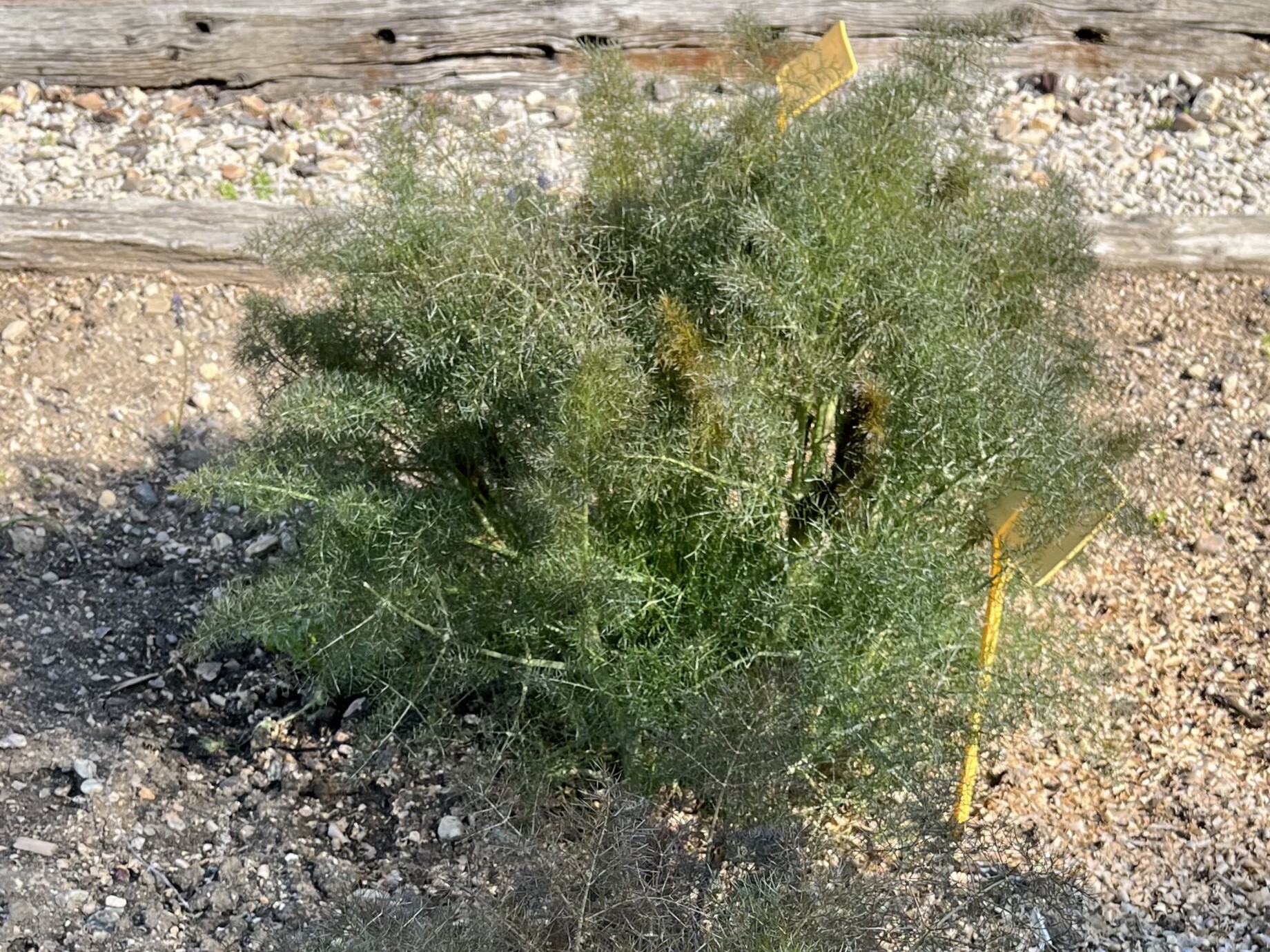
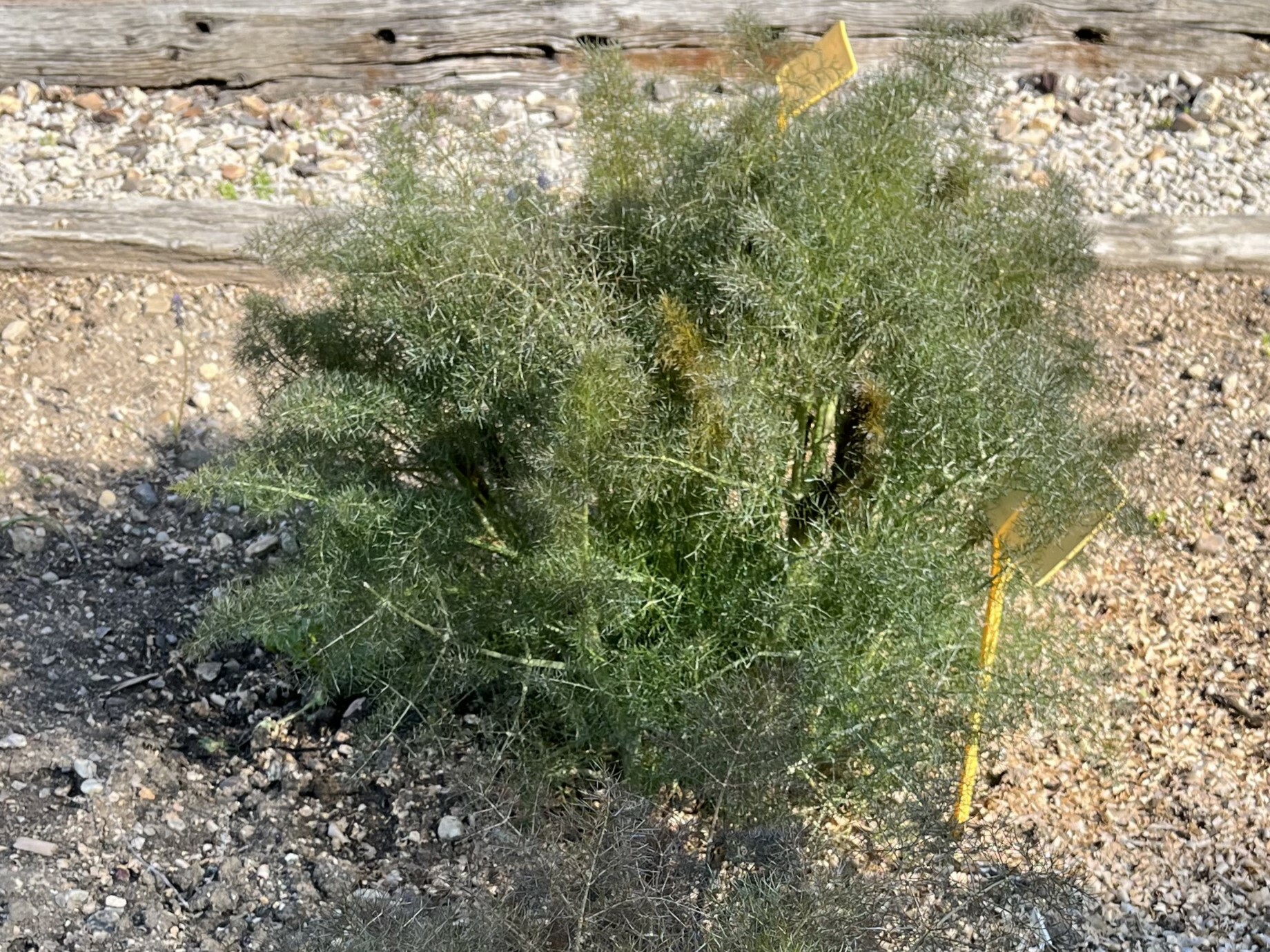
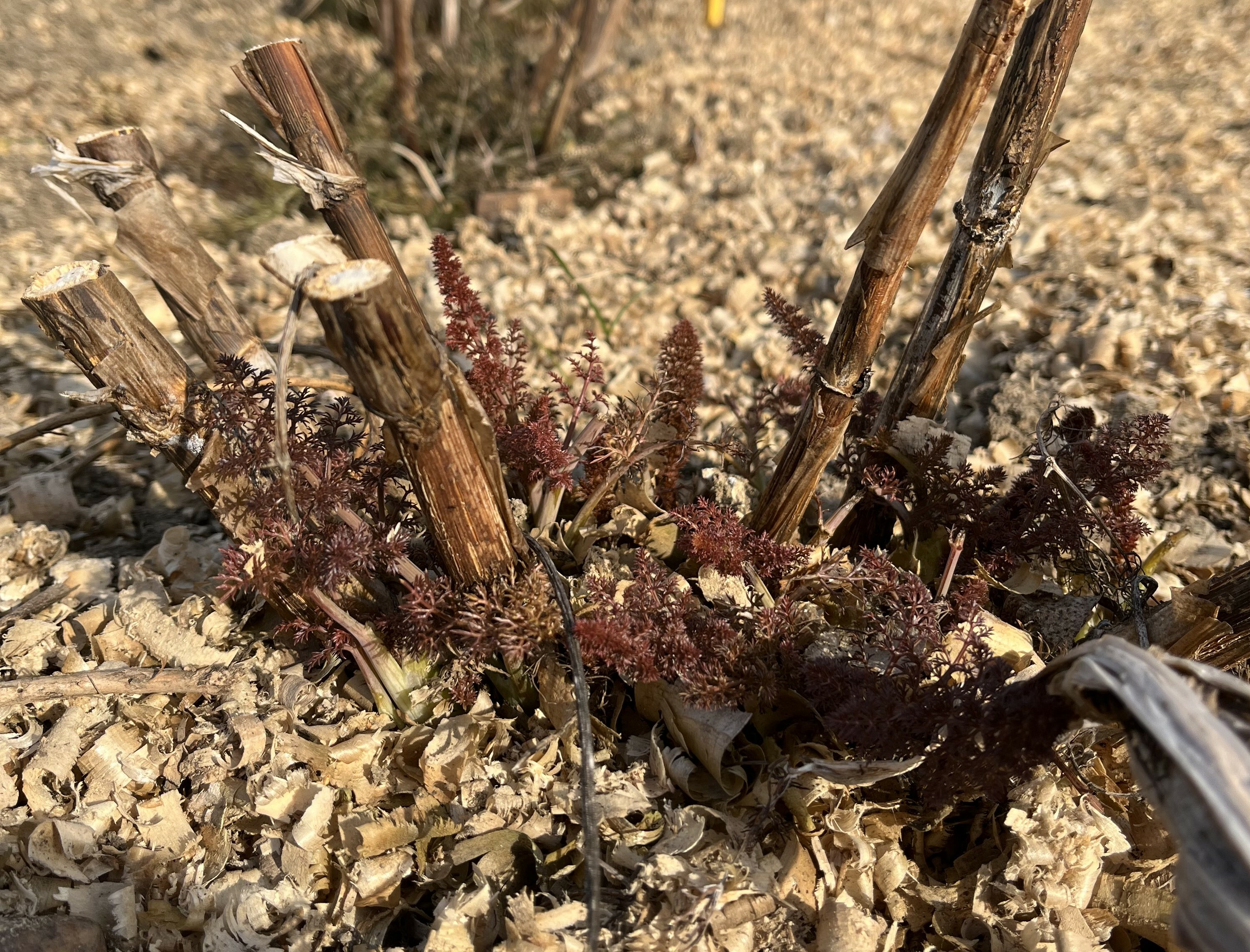
Short description of the species
Interesting
As a spice, it is often used to flavor various alcoholic beverages, such as Greek ouzo or anise.Usage
In the food industry, anise (ground fruit) is used as a flavoring and aromatic substance in gingerbread, gingerbread and other baked goods, ice cream, cakes, cookies, candies, sweets, chewing gum, sweet dishes, puddings, creams and fruit compotes. It is also added to various fruit soups, sauces, bread and liqueurs. In the pharmaceutical industry, it is used for the production of syrups, medicines, medicinal teas and aromatic water.Inclusion in the sowing process and fertilization requirements
track: II. (compost or well-ripened farmyard manure does not tolerate fresh farmyard manure)
suitable pre-crops: cereals and roots
fertilization: it responds well to organic fertilizers, it is possible to use compost or well-rotted manure in a dose of 20-30 tons per hectare before planting, nitrogen is key for leaf growth and overall vegetative growth
Varieties: Trends in the breeding of anise varieties are related to resistance to environmental stressors, diseases and high yields of both seeds and essential oil.
Agricultural cultivation techniques
Propagation: generative - direct sowing
Agro-technique of cultivation - bed method (directly into the soil)
| Month | I. | II. | III. | IV. | V. | VI. | VII. | VIII. | IX. | X. | XI. | XII. |
|---|---|---|---|---|---|---|---|---|---|---|---|---|
| Sowing | XX | XX | ||||||||||
| Harvest | XXX | X |
Harvesting: aAnise is harvested in August, September at the latest, when the first-order buds are waxy (gray-green in color).
Valuable nutritions: 2-6% essential oils, 20-28% fatty oils, up to 20% proteins, about 10% minerals, vitamins C, P, sugars, tannin, cymene
Phytotherapeutic groups: carminative, aromatic, disinfectant, lactogogue
Diseases and pests: The most economically serious disease is cercosporosis (Cercospora spp.). Others – downy mildew (Plasmopara nivea), Phomopsis pimpinellae, Rhizoctonia solani, from pests the caraway weevil (Depressaria nervosa and the caraway flatworm (Depressaria daucella).
Labeling Plants with QR Codes
At the Faculty of Horticulture and Landscape Engineering at SPU in Nitra, we've created a project that offers visitors to our plantings a new way to discover the beauty and intriguing aspects of plants. Each plant in our plantings has its own unique QR code. All a visitor needs to do is scan this code with their smartphone.
Encyclopedy
Informácie
Kontakt
Fakulta záhradníctva a krajinného inžinierstva
Tulipánová 7, 949 76 Nitra
phone +421 (37) 641 4229 — study department
email henrieta.budayová@uniag.sk



Copyright © 2026 Faculty of Horticulture and Landscape Engineering