
 Slovenská verzia
- home
- Spices and aromatic plants
- Brassicaceae
- White mustard
- White mustard
White mustard
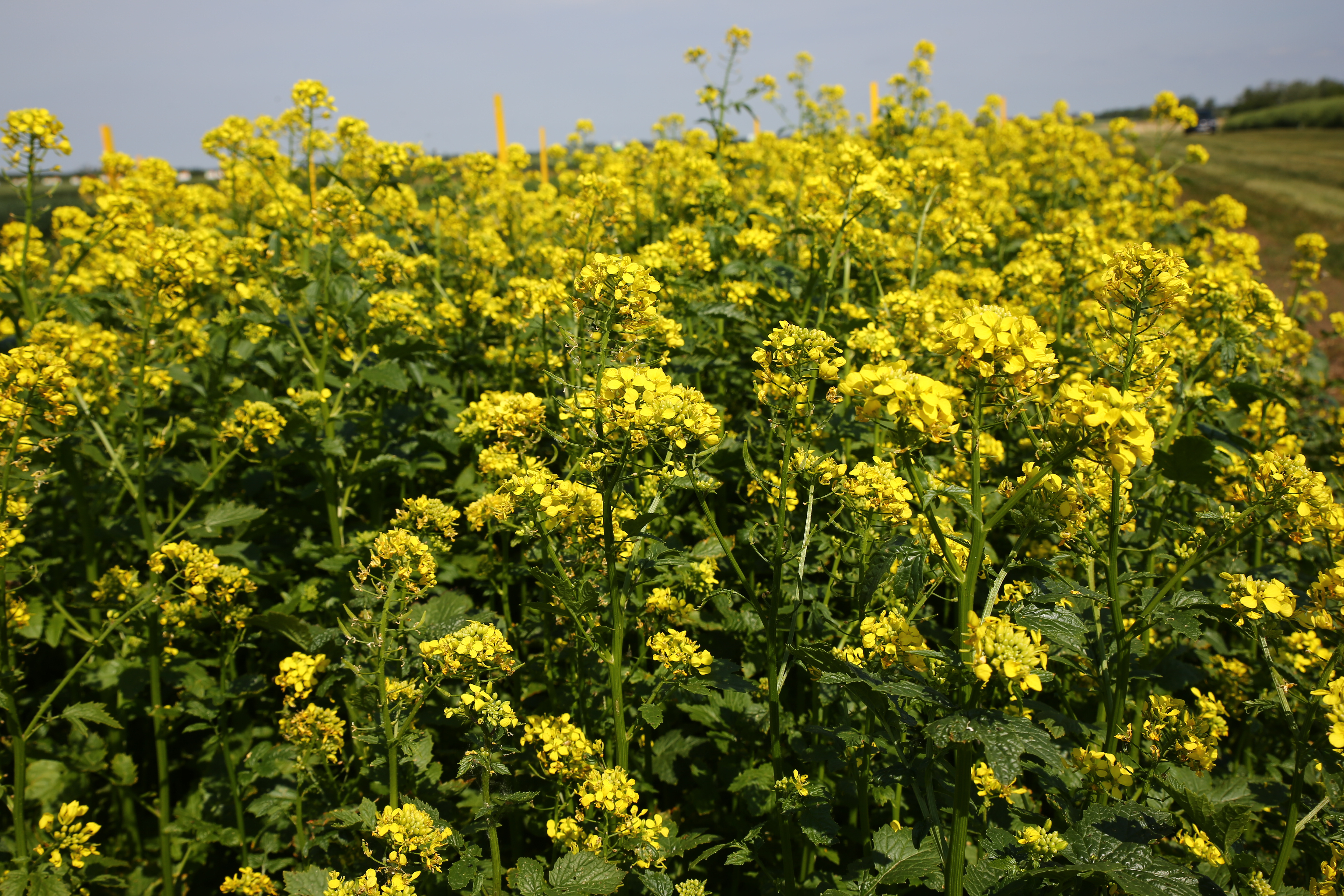
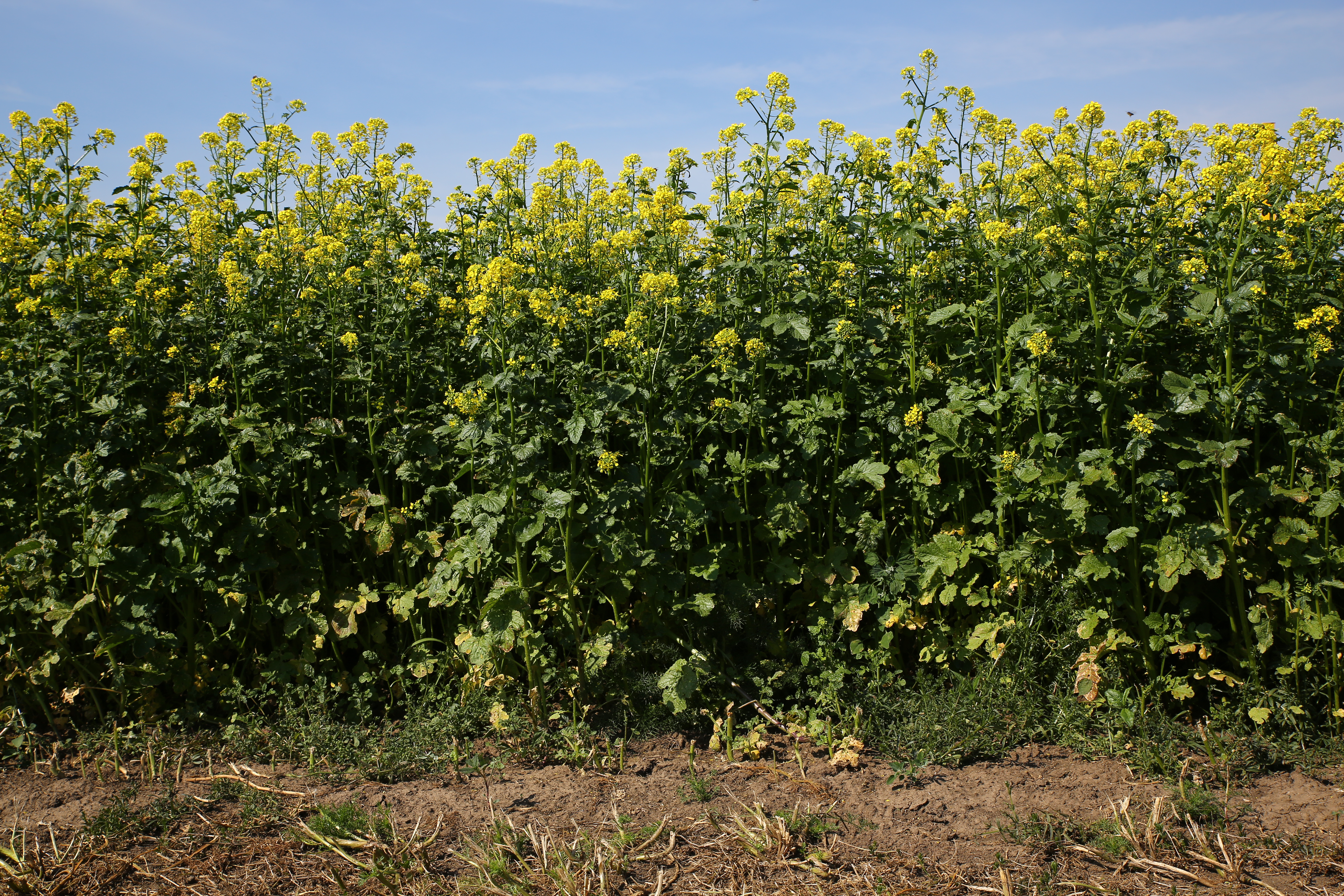
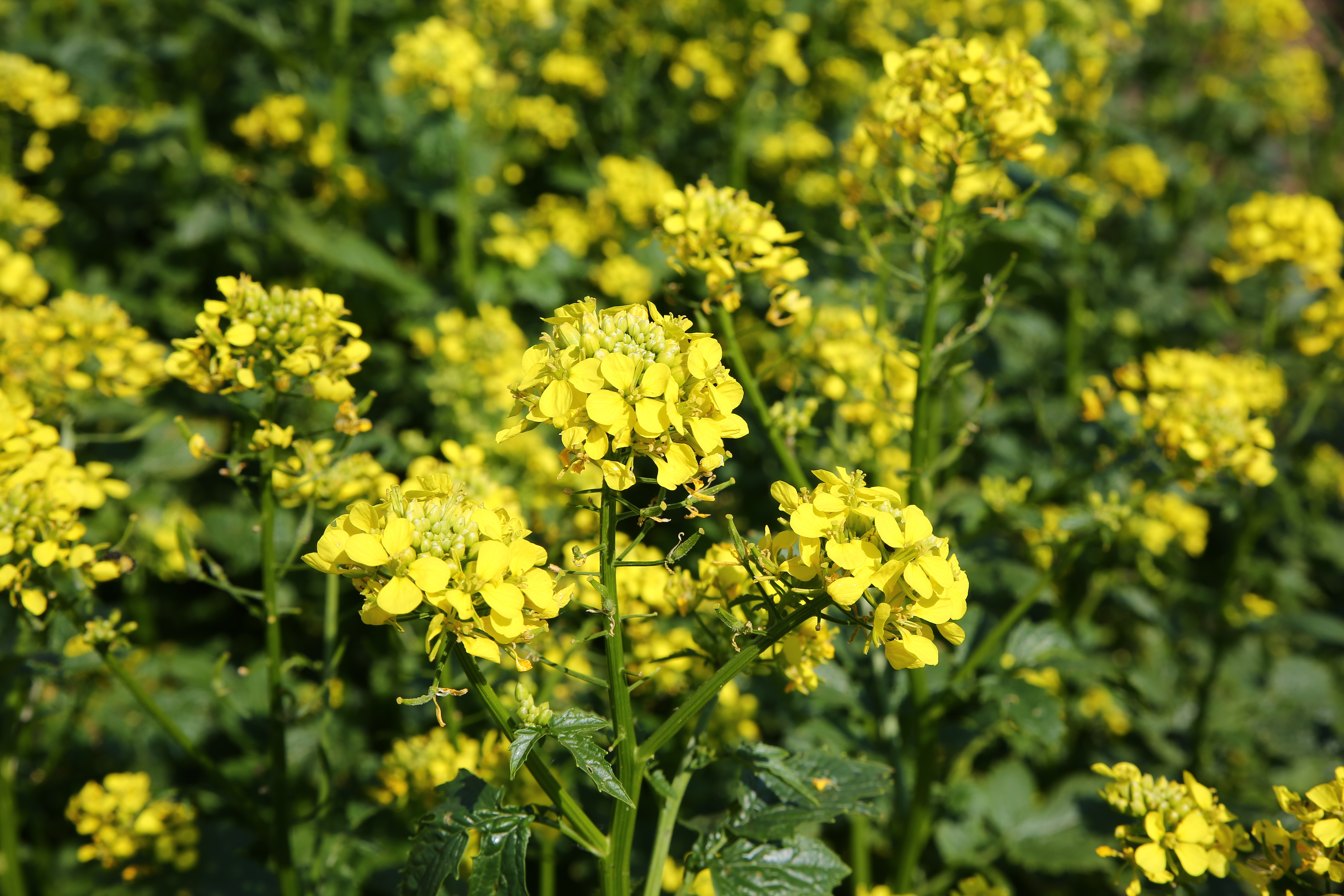
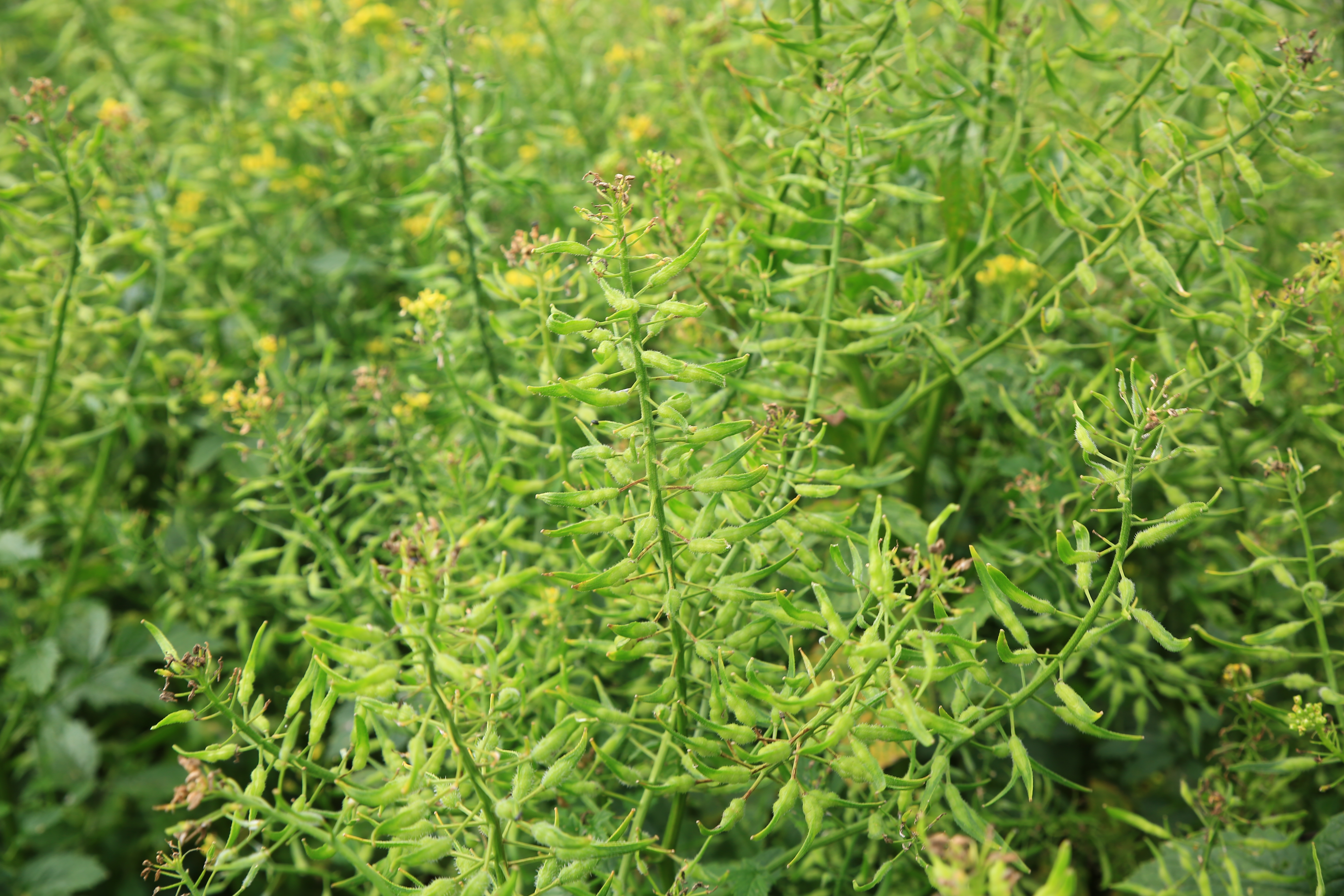
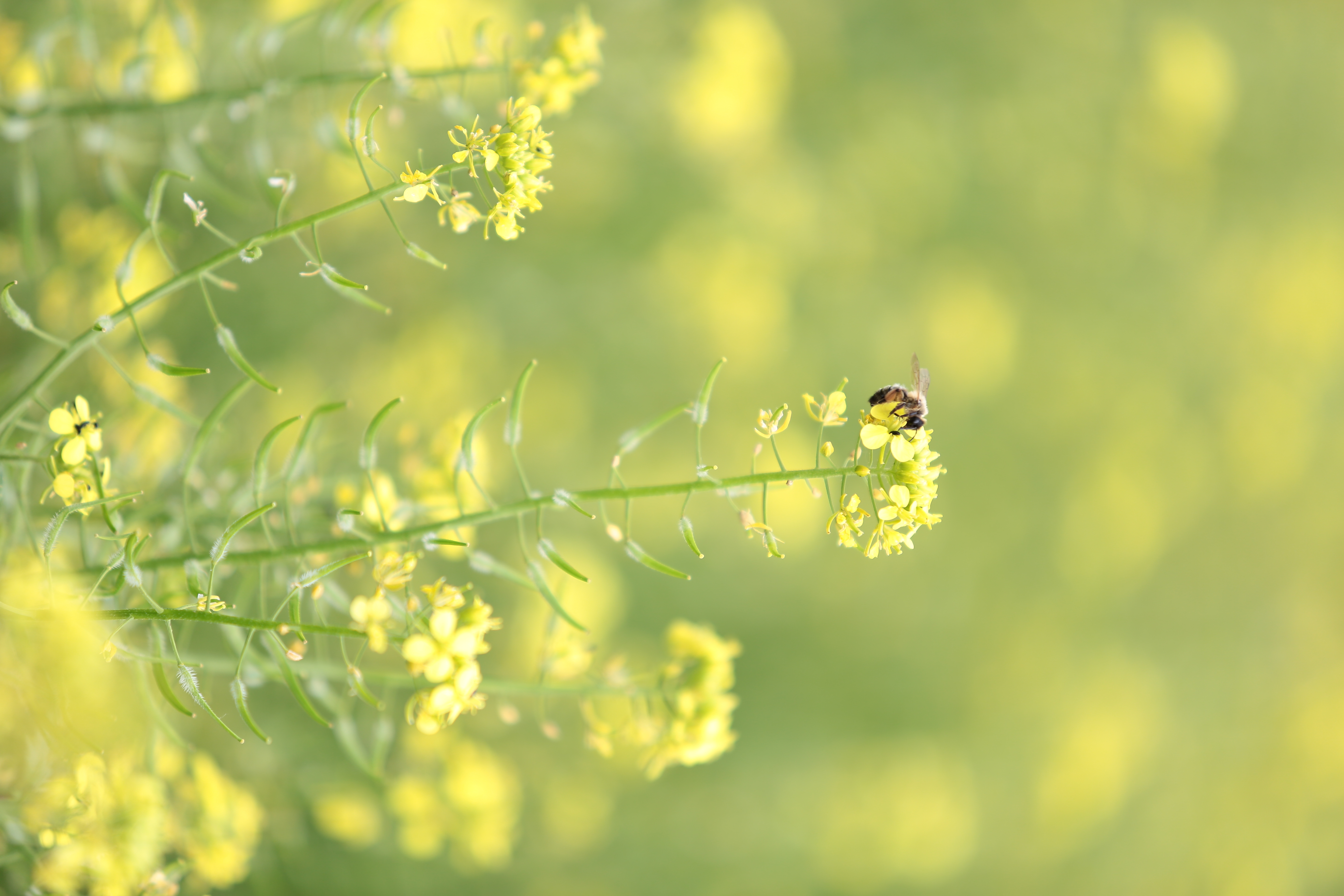
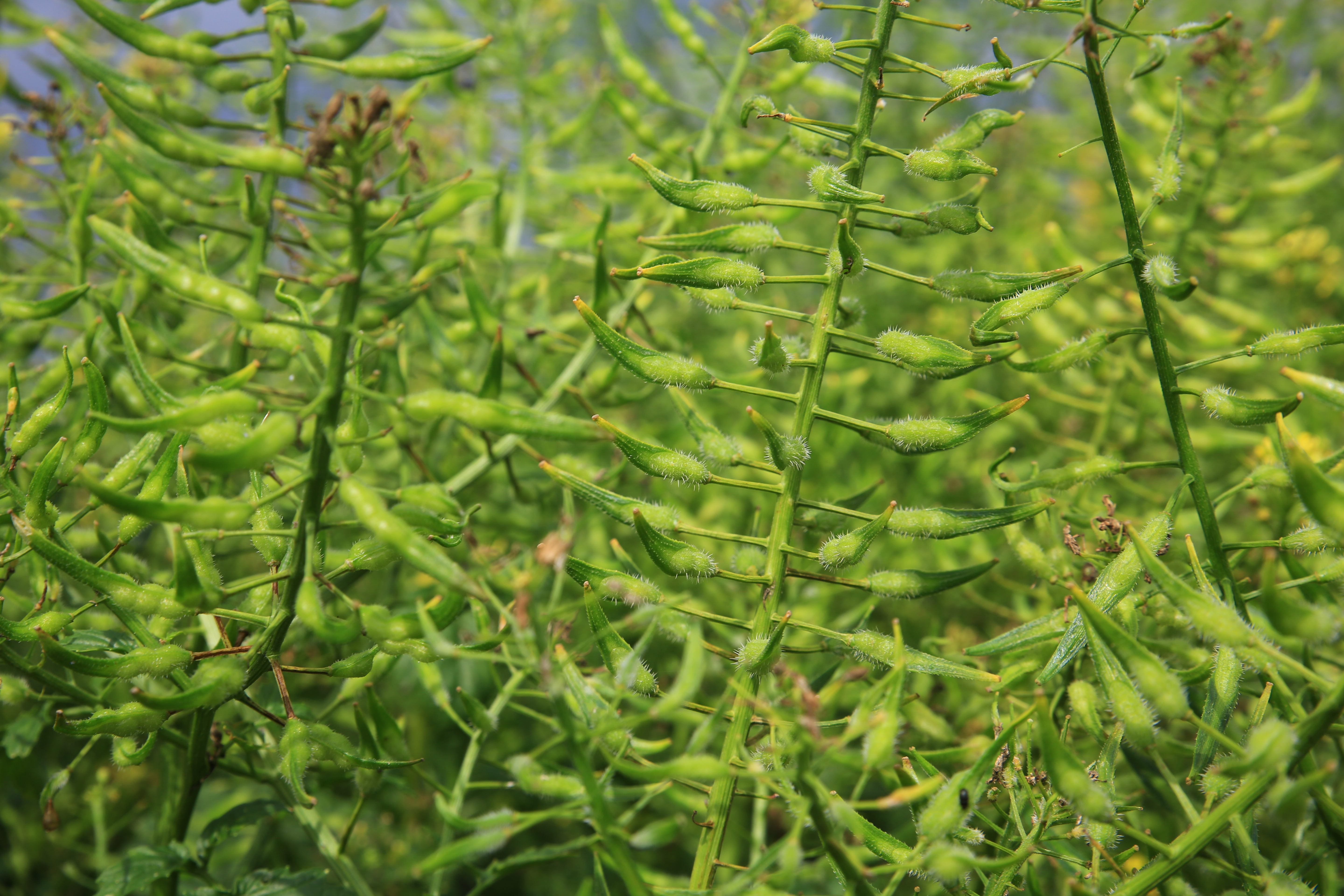
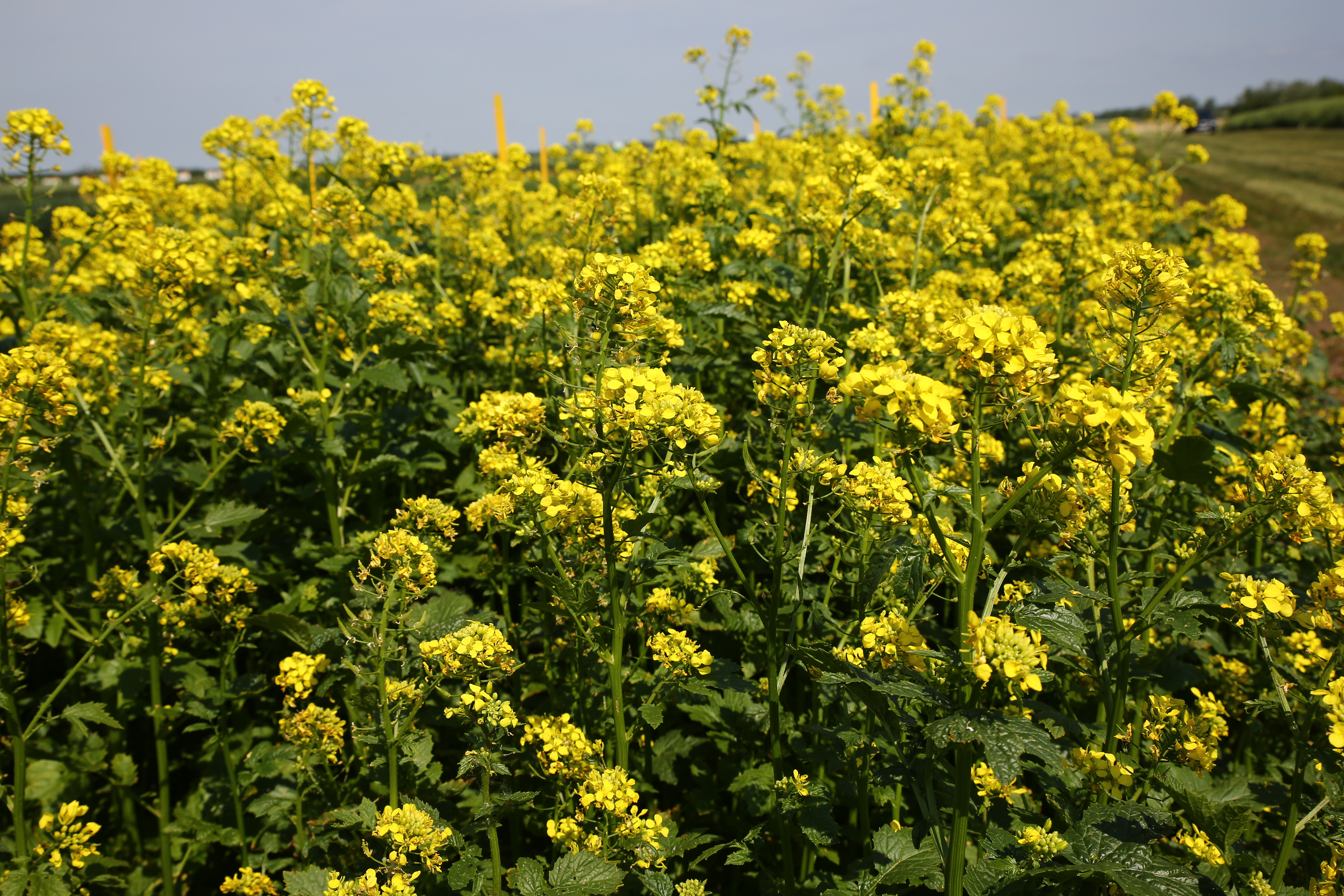
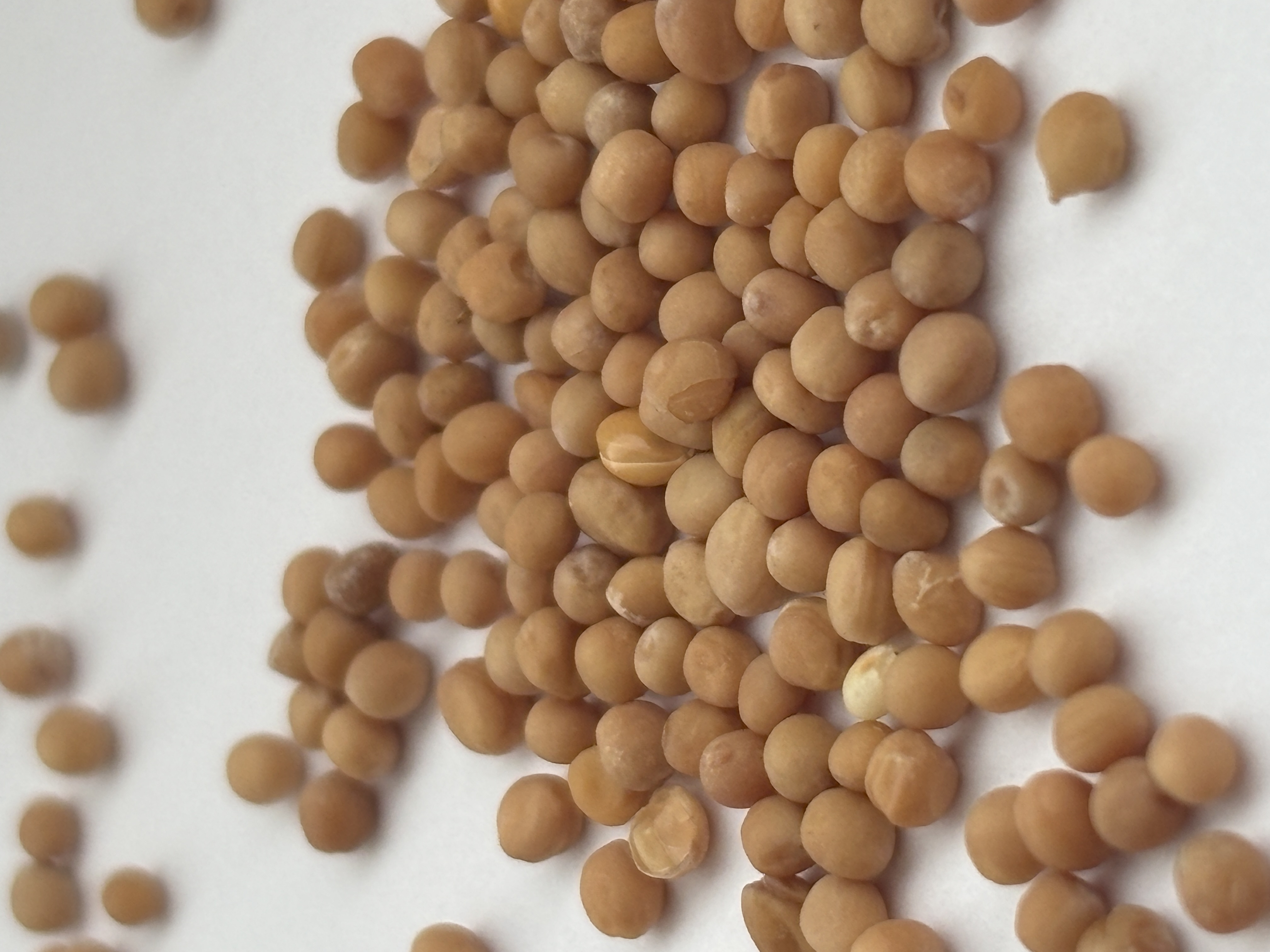
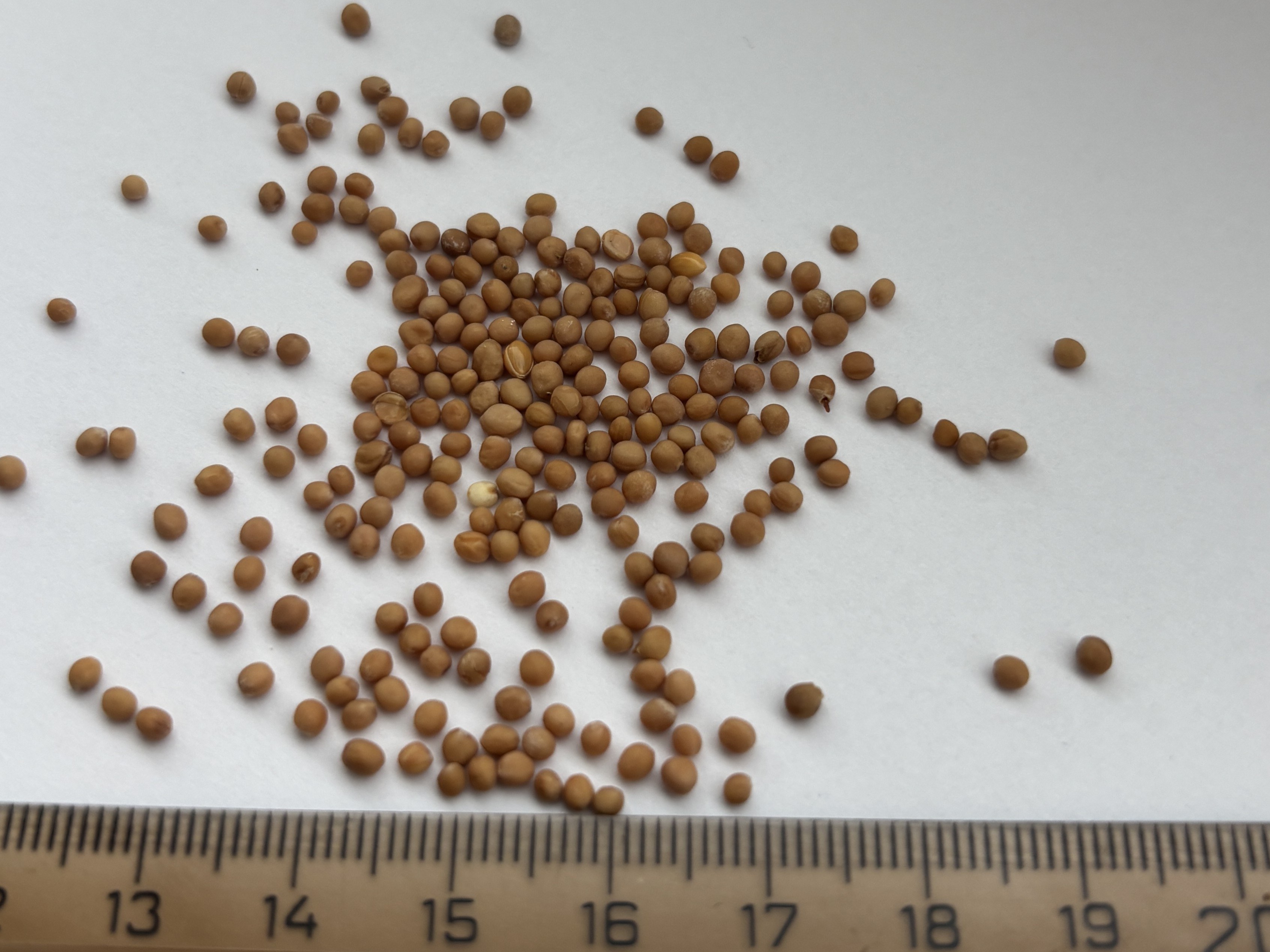
Short description of the species
Usage
Mustard seeds are used to make table mustard, often combined with other types for specialty products. In the food industry, they are used for seasoning dishes, pickling vegetables, preparing sauces, mayonnaise, and marinades. Industrially, oil is extracted from them, which is used in food products and other applications.Crop rotation placement and fertilization requirements
In Slovakia, mustard is grown as an annual crop.
Track: II.
Suitable preceding crops: crops fertilized with manure, root crops, legumes, cereals. It should not be grown after sunflower, soybean, or other Brassicaceae crops.
Fertilization: Due to its short growing season, white mustard requires quickly available nutrients.
Varieties: Mustard varieties are evaluated by characteristics such as length of the growing season, plant height, seed yield and weight, oil content, health and disease resistance, uniformity of ripening, and usability.
Cultivation practices
Mustard is sown from late March to early April by direct seeding.
Cultivation practices – bed system (directly into the soil)
| Month | I. | II. | III. | IV. | V. | VI. | VII. | VIII. | IX. | X. | XI. | XII. |
|---|---|---|---|---|---|---|---|---|---|---|---|---|
| Sowing | XX | XX | ||||||||||
| Harvest/seed | XX | XX |
Harvest and storage:
Harvest is traditionally carried out with a combine harvester equipped with a rapeseed adapter. In large-scale production, harvesting is done directly with a combine when the lower leaves have fallen, the entire stand is thinned and lightened, yellow-brown, and in full maturity (the stem and branches are dry and brittle).
Use: Mustard seeds are used for making table mustard, often in combination with other species for specialty products. In the food industry, they serve to season dishes, pickle vegetables, and prepare sauces, mayonnaise, and marinades. Industrially, oil is extracted from them for use in food and other products.
Effects on human health:
Constituents: glucosinolates, the glycoside sinalbin, fatty acids, essential oils
Phytotherapeutic groups: carminative, stomachic
Diseases and pests: Sinapis alba is susceptible to pests such as flea beetles (Phyllotreta spp.), aphids, cabbage seed weevils, and pollen beetles. The most common diseases are Alternaria leaf spot (Alternaria spp.), downy mildew (Peronospora brassicae), bacterial leaf spot, and white mold (Sclerotinia sclerotiorum).
Labeling Plants with QR Codes
At the Faculty of Horticulture and Landscape Engineering at SPU in Nitra, we've created a project that offers visitors to our plantings a new way to discover the beauty and intriguing aspects of plants. Each plant in our plantings has its own unique QR code. All a visitor needs to do is scan this code with their smartphone.
Encyclopedy
Informácie
Kontakt
Fakulta záhradníctva a krajinného inžinierstva
Tulipánová 7, 949 76 Nitra
phone +421 (37) 641 4229 — study department
email henrieta.budayová@uniag.sk



Copyright © 2026 Faculty of Horticulture and Landscape Engineering