

 Slovenská verzia
- home
- Spices and aromatic plants
- Amaryllidaceae
- Welsh onion
- Welsh onion
Welsh onion
Short description of the species
Interesting
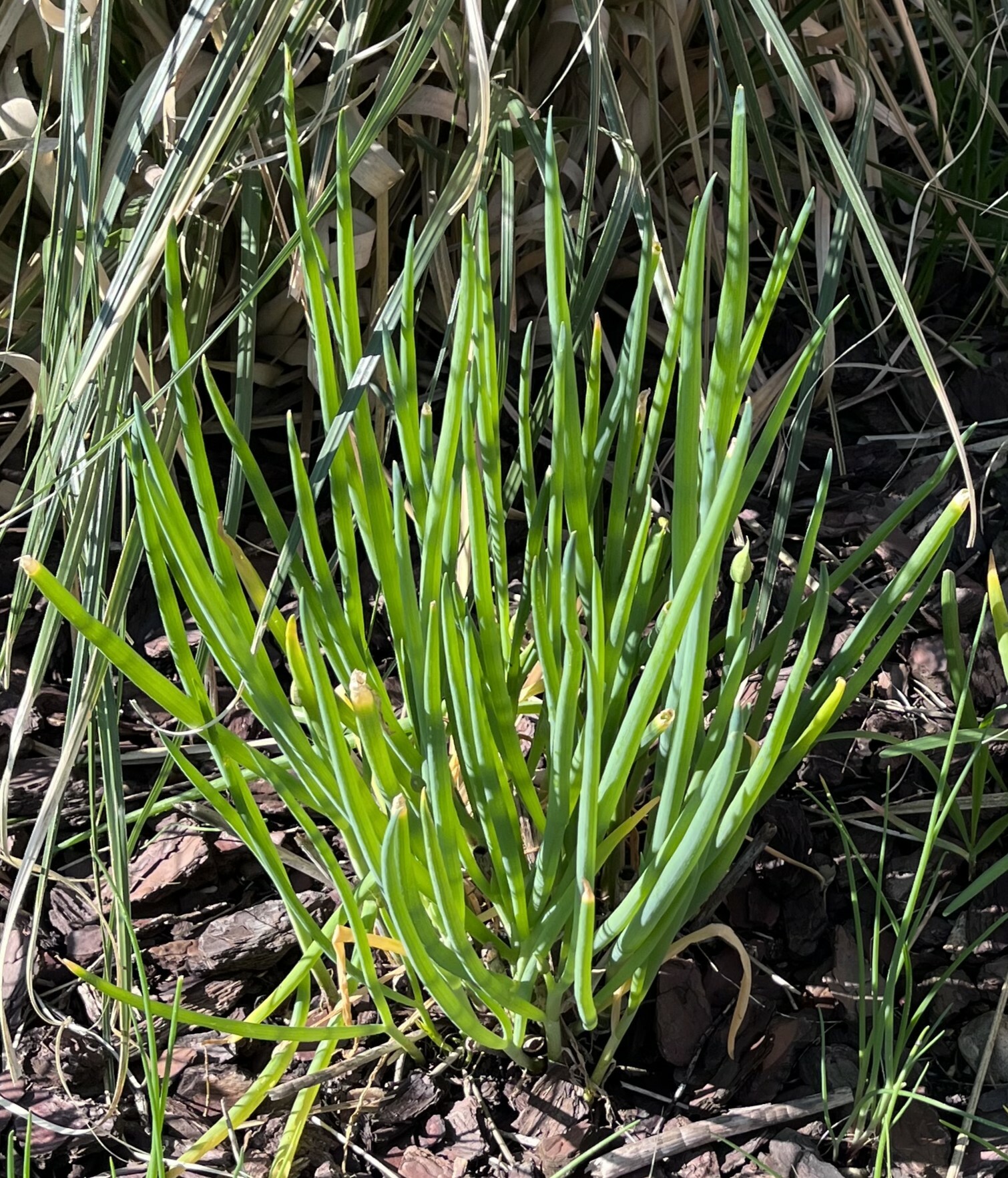
The juicy leaves are usually dark green in color and have a mild spicy flavor, but milder than onions. Especially in early autumn, whole plants are harvested and delivered to the market instead of onions.Usage
in salads, sandwiches and hamburgers, soups, sauces, stews, in Asian cuisine, winter onions are often used in stir-fry dishes, with other vegetables, meat or tofu, added to noodle or rice dishesInclusion in the sowing process and fertilization requirements
perennial grass plant, grows as an annual crop, but it is also possible to grow it as a multi-year crop (3-4 years), but it is not recommended to stay longer in one location, as the yield decline starts to show in the third year
track: II., III.
suitable pre-crops: cereals, legumes, leafy vegetables, rapeseed
fertilization: to achieve high yields, it is necessary to fertilize with nitrogen N - 140 kg/ha, phosphorus P2O5 - 75 kg/ha and potassium K2O - 200 kg/ha
Varieties: the main directions of breeding winter onion varieties include reducing pungency, high sugar content, resistance to diseases, high yield, suitability for mechanization, length of bleached part, uprightness of leaves, contrast between green and white part, wax layer, balanced development and early varieties
Agricultural cultivation techniques:
Propagation: it can be propagated from seeds or by dividing bunches, under favorable conditions it can also be propagated by self-sowing. Agrotechnics of cultivation - direct sowing (2 suitable terms, distinguished by font type)
| Month | I. | II. | III. | IV. | V. | VI. | VII. | VIII. | IX. | X. | XI. | XII. |
|---|---|---|---|---|---|---|---|---|---|---|---|---|
| Sowing | XX | XX | ||||||||||
| Harvest | XXXX | XXXX | XX |
Harvesting: the leaves of the plant grown as a perennial crop are cut two to three times during the growing season, harvesting is repeated after 30-35 days
Valuable nutritions sulfur compounds, flavonoids, vitamins, minerals
Phytotherapeutic groups: antibiotic, antiphlogistic, antioxidant
Diseases and pests: similar diseases and pests as with onions, but it is more resistant to perenospora, if necessary, we protect against leek leafminer and onion bloomer
Labeling Plants with QR Codes
At the Faculty of Horticulture and Landscape Engineering at SPU in Nitra, we've created a project that offers visitors to our plantings a new way to discover the beauty and intriguing aspects of plants. Each plant in our plantings has its own unique QR code. All a visitor needs to do is scan this code with their smartphone.
Encyclopedy
Informácie
Kontakt
Fakulta záhradníctva a krajinného inžinierstva
Tulipánová 7, 949 76 Nitra
phone +421 (37) 641 4229 — study department
email henrieta.budayová@uniag.sk



Copyright © 2026 Faculty of Horticulture and Landscape Engineering