

 Slovenská verzia
- home
- Fruits - general part
- Shell fruit
- Walnut
Walnut
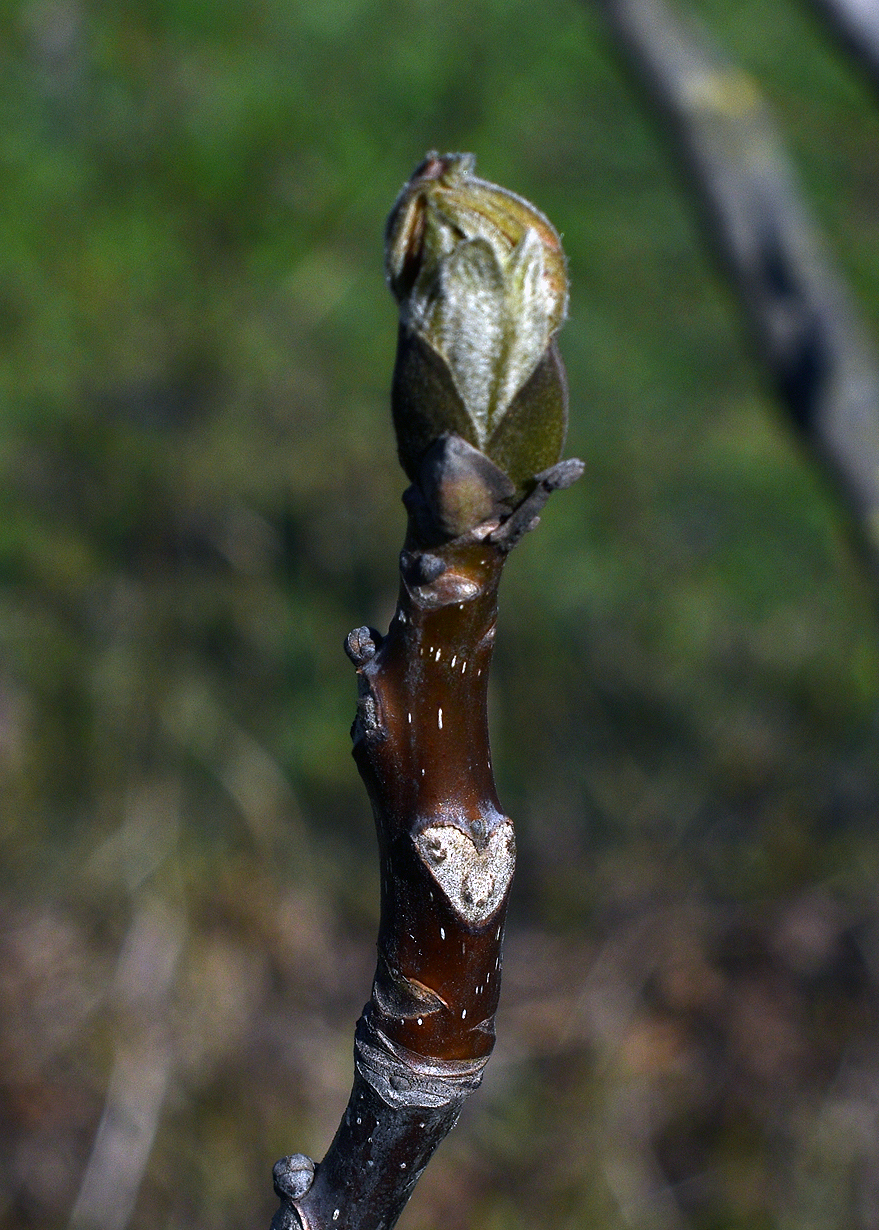
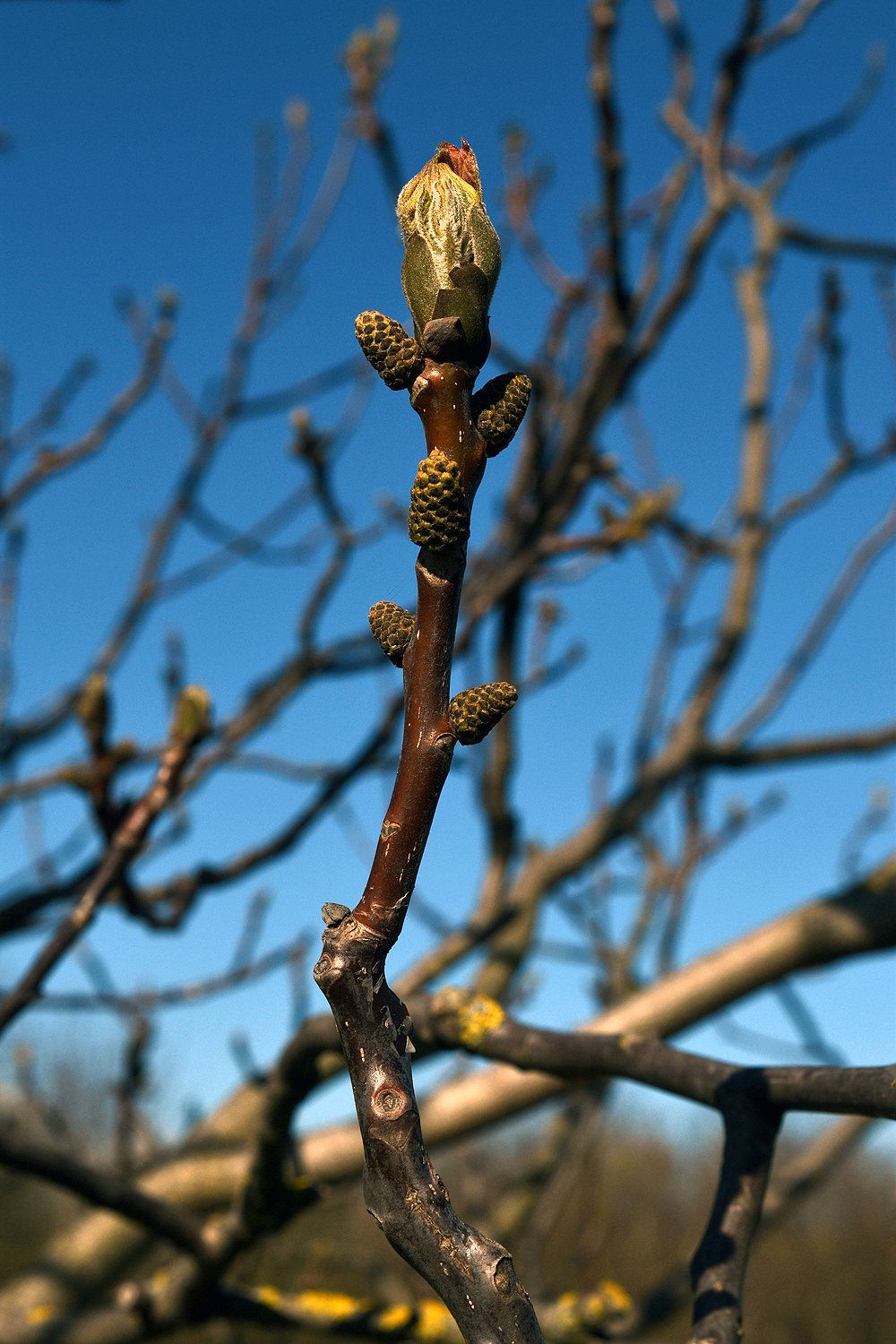
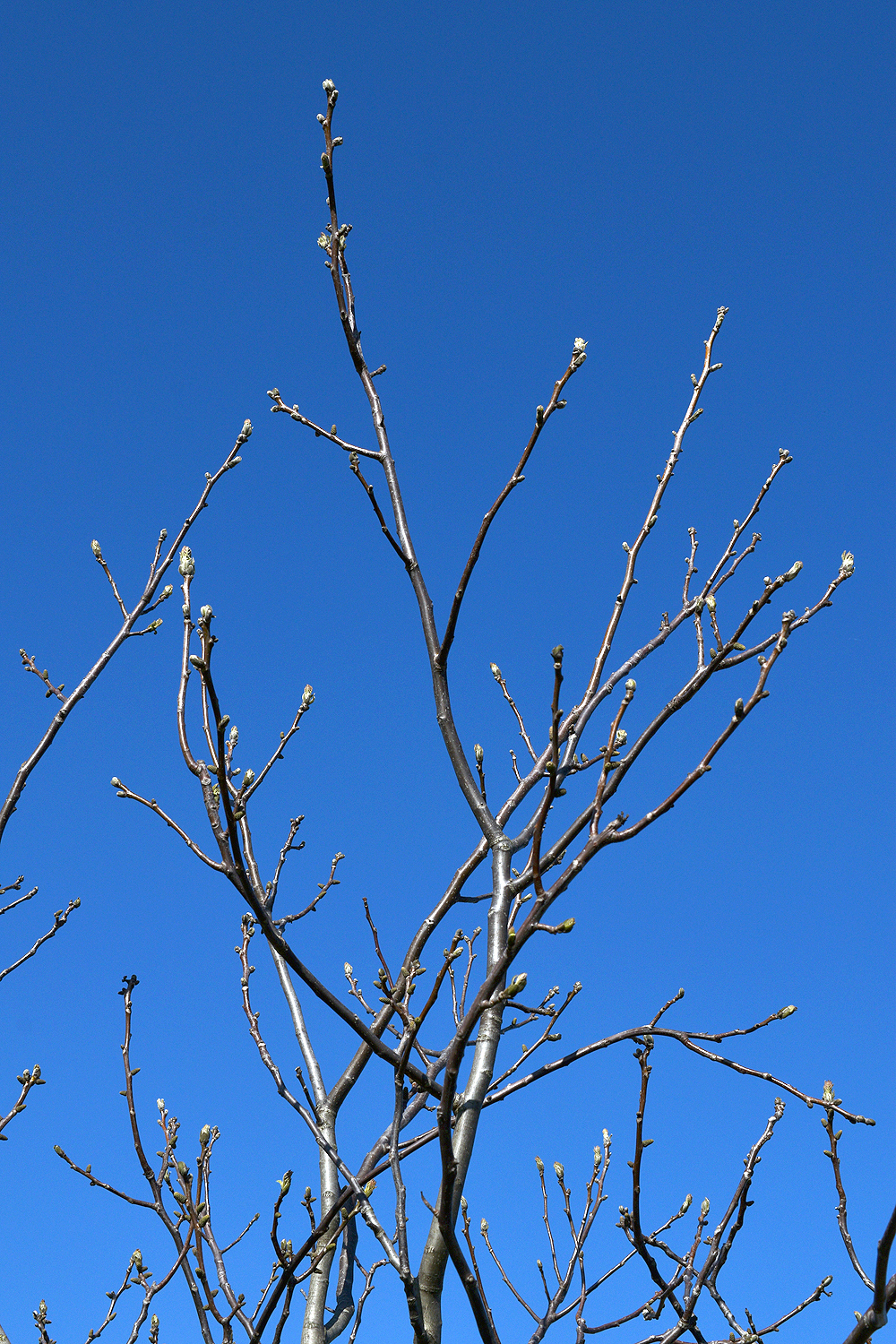
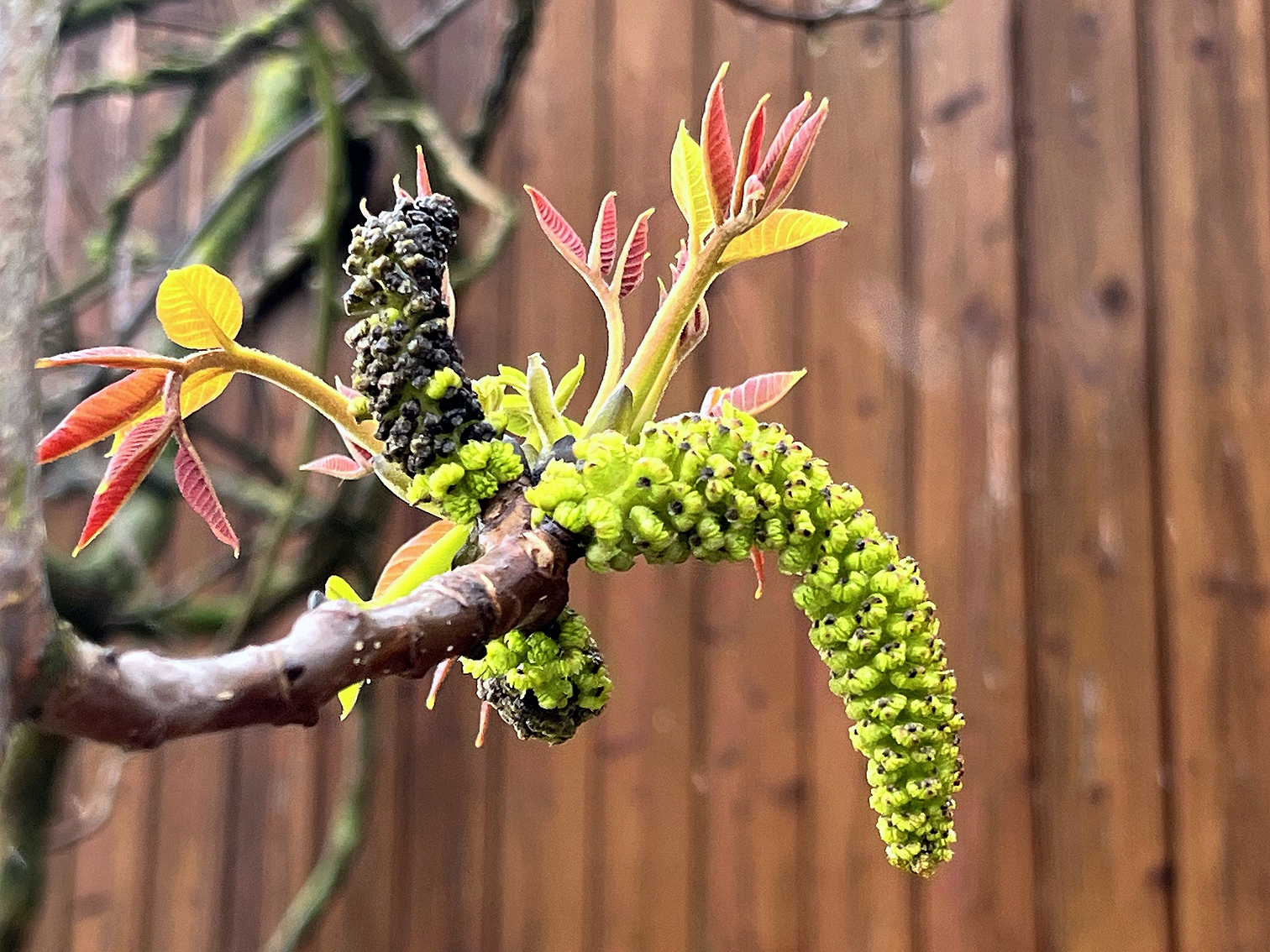
Short description of the species
Interesting
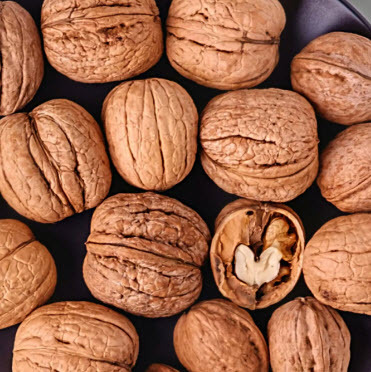
The walnut was the first food source that man began to use. It was 7000 years before our era.Usage
The kernel is used for consumption.Suitable growing locations
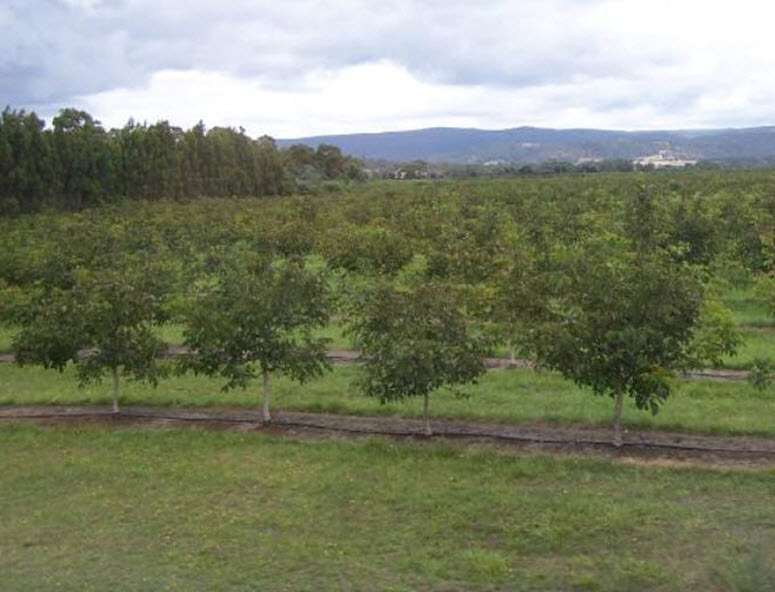
Deep and nutritious soils with a neutral soil reaction and a low groundwater level are suitable. It suits warmer locations, sunny slopes up to 300m above sea level. In closed basins, it is damaged by frost.
Growing technology
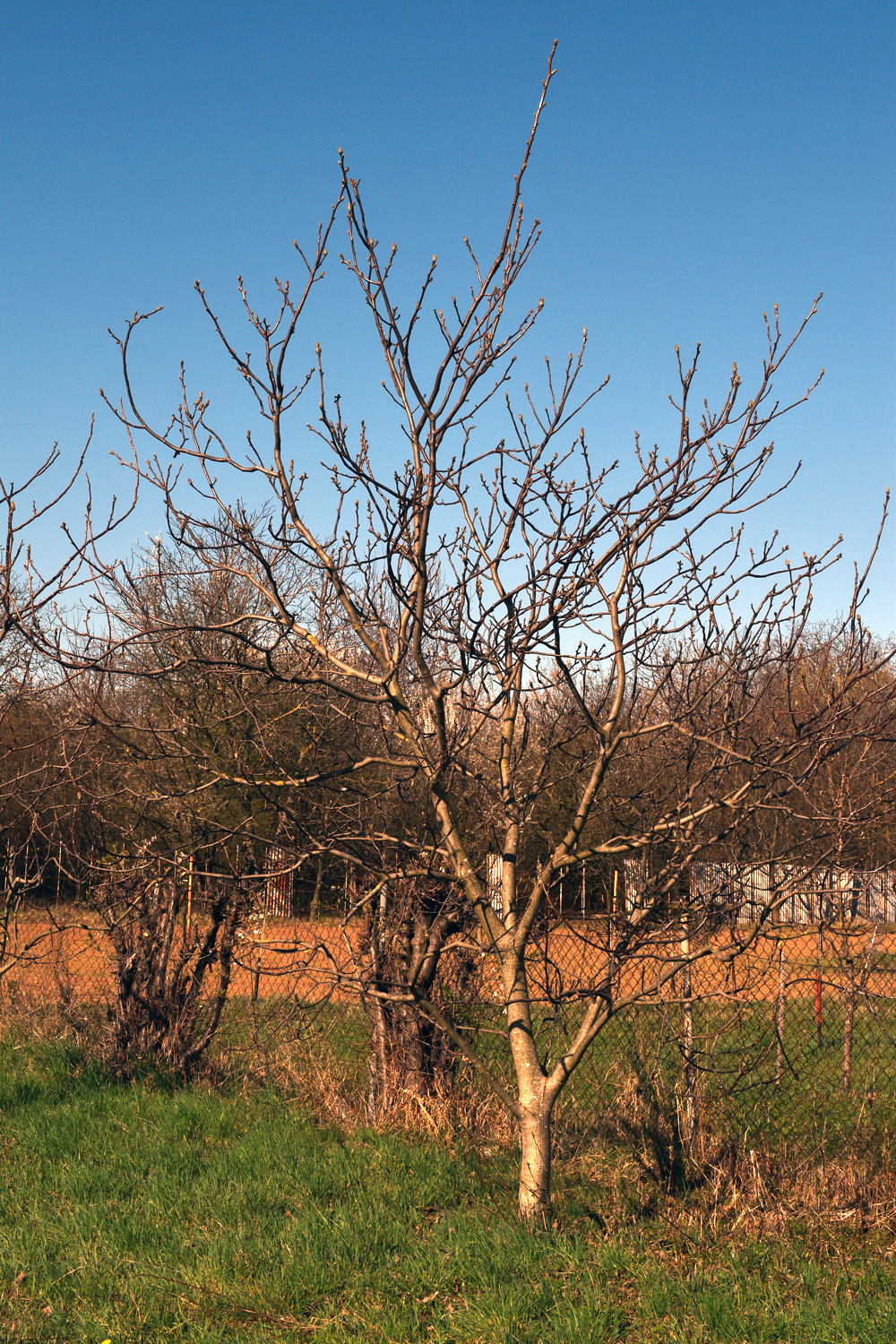
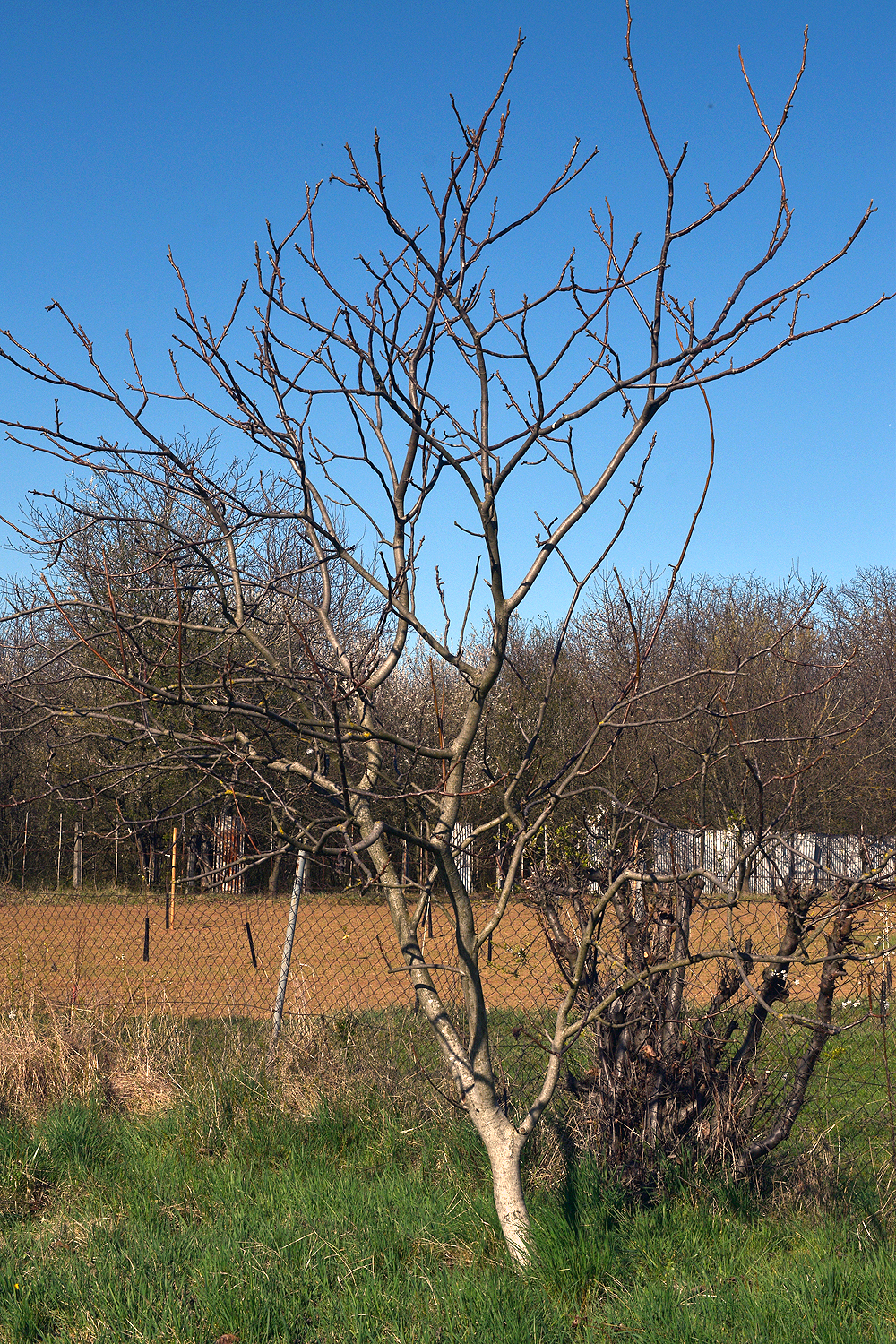
We recommend planting in the shape of a quarter-trunk or a half-trunk. We establish the first floor created from 3-4 branches, the other floors are established freely. The cut consists of transillumination, we do it during vegetation, after budding, or in August.
Suitable varieties
For planting, we recommend large-fruited varieties with a thin shell (so-called papiernacha, or semi-papiernacha), such as e.g. Apollo, Seifersdorf, Mars, Lake, Jupiter. The variety Rote Donaunuss (Geisenheim 1239) with a red core can be interesting. Hungarian varieties from the Alsószentiványi, Tisacsocsi, or Milotai race are very high quality.
Diseases and pests
diseases: anthracnose, brown leaf spot
pests: nut borer, mites, Rhagoletis completa
Labeling Plants with QR Codes
At the Faculty of Horticulture and Landscape Engineering at SPU in Nitra, we've created a project that offers visitors to our plantings a new way to discover the beauty and intriguing aspects of plants. Each plant in our plantings has its own unique QR code. All a visitor needs to do is scan this code with their smartphone.
Encyclopedy
Informácie
Kontakt
Fakulta záhradníctva a krajinného inžinierstva
Tulipánová 7, 949 76 Nitra
phone +421 (37) 641 4229 — study department
email henrieta.budayová@uniag.sk



Copyright © 2026 Faculty of Horticulture and Landscape Engineering