

 Slovenská verzia
- home
- Spices and aromatic plants
- Fabaceae
- Fenugreek
- Fenugreek
Fenugreek
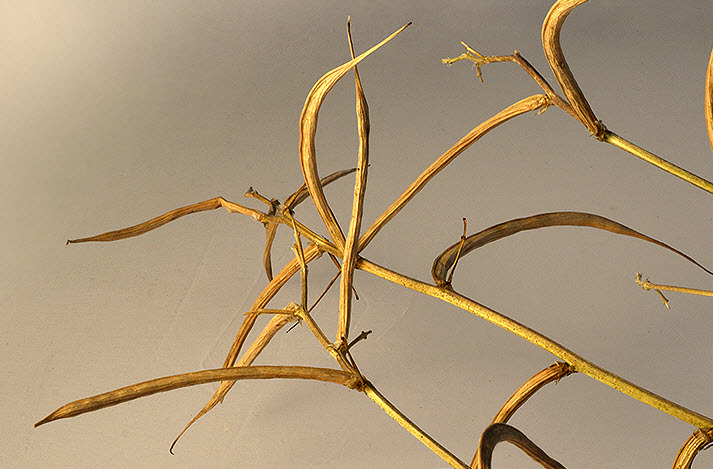
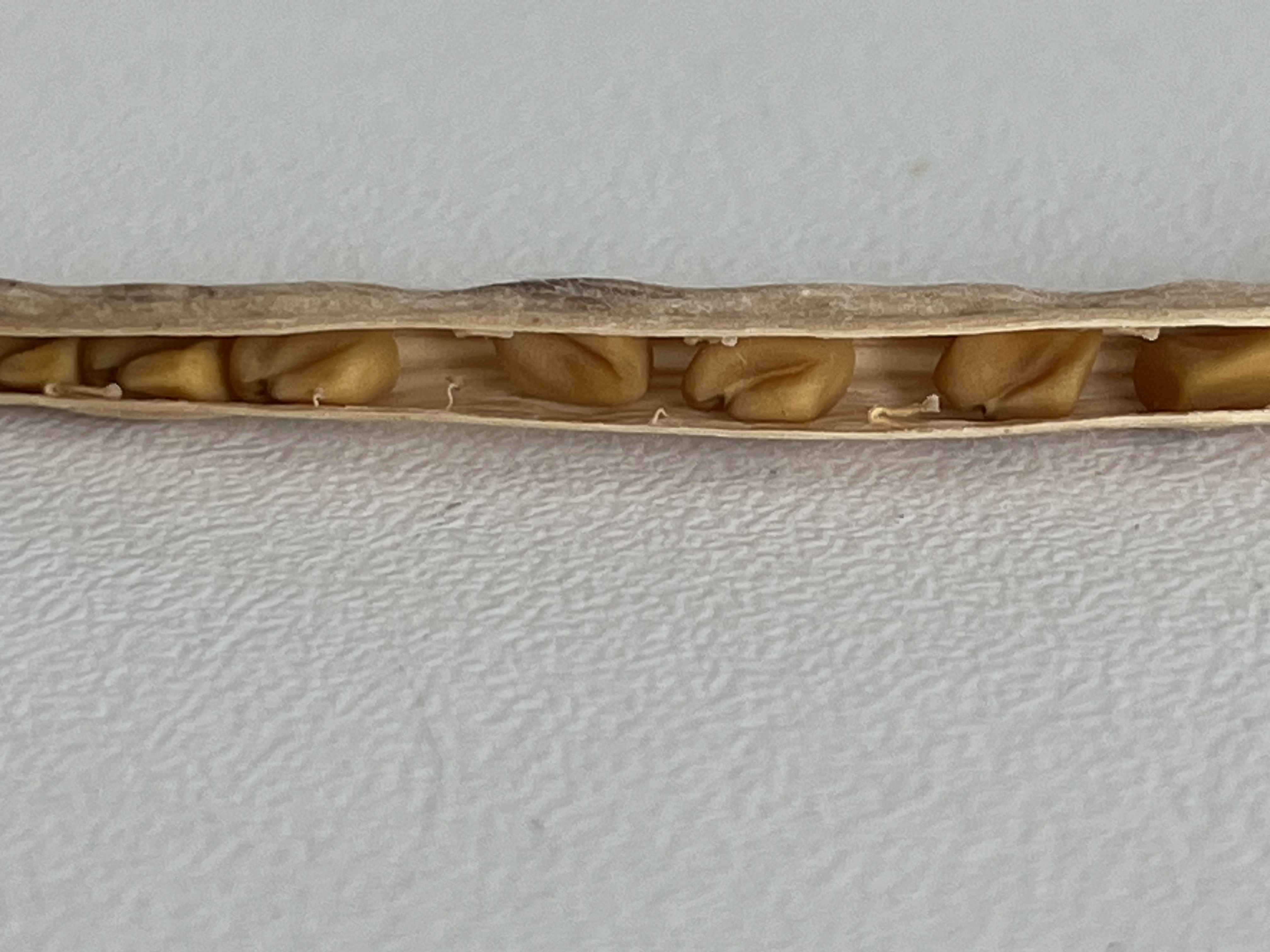
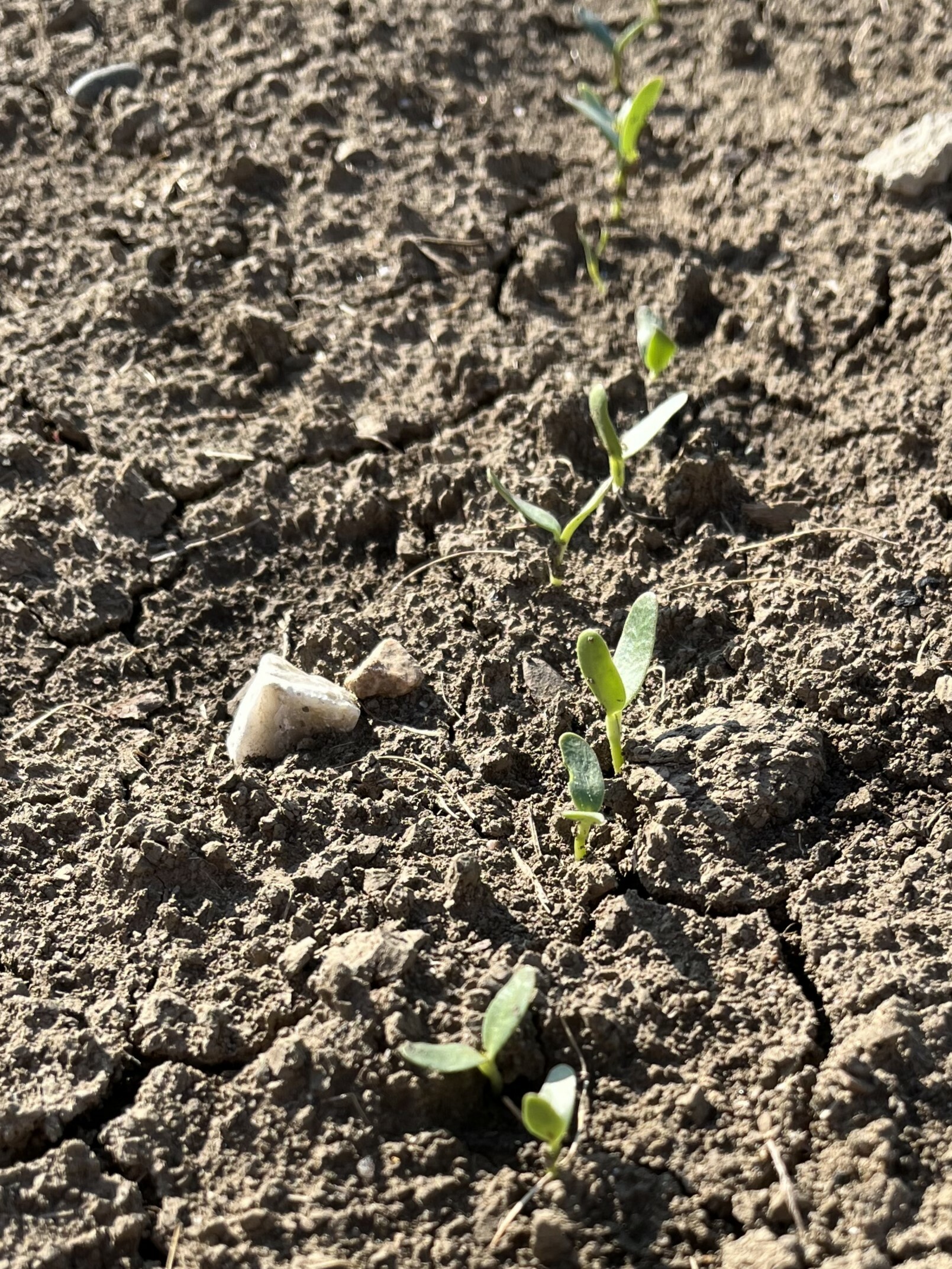
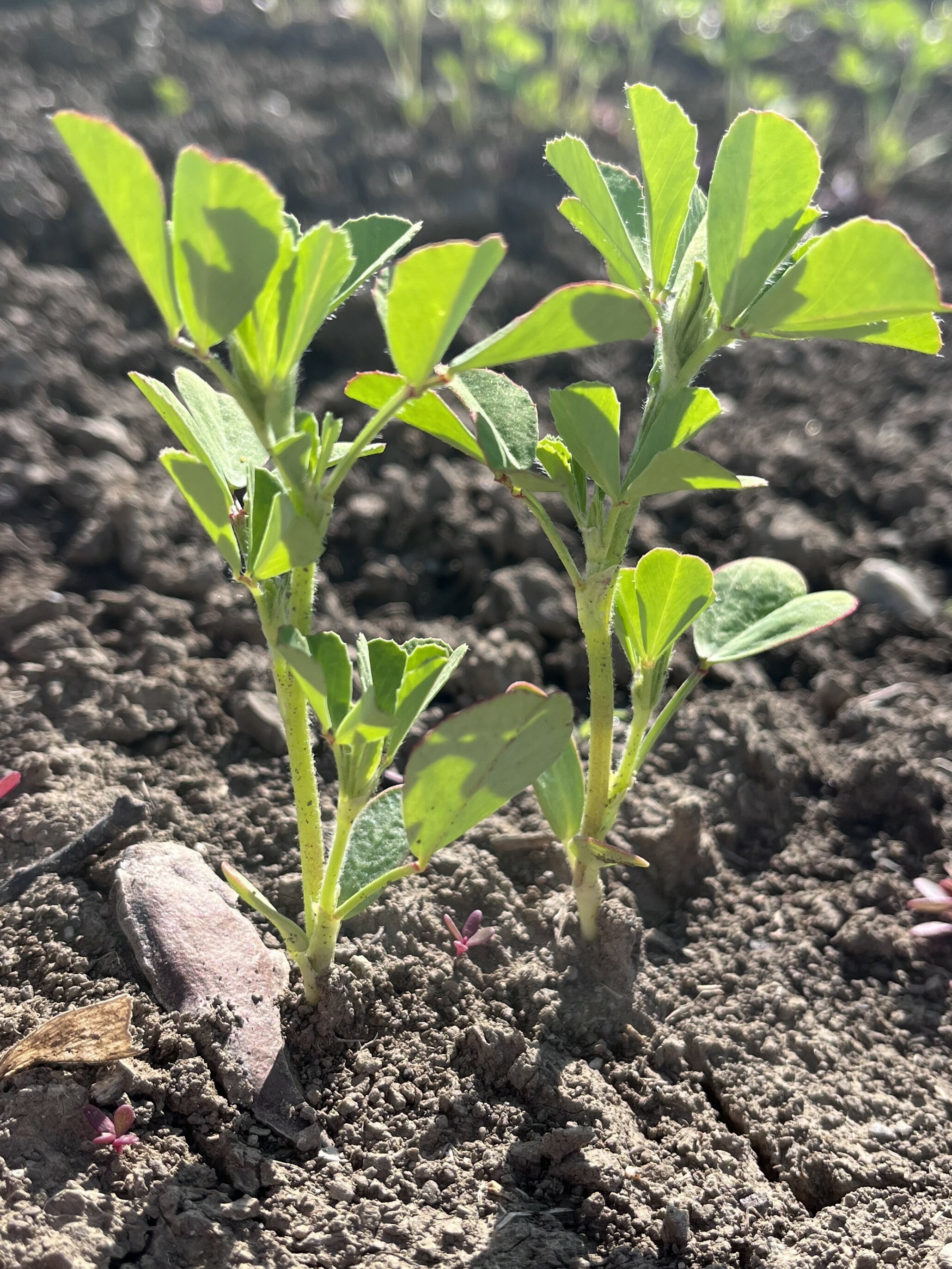
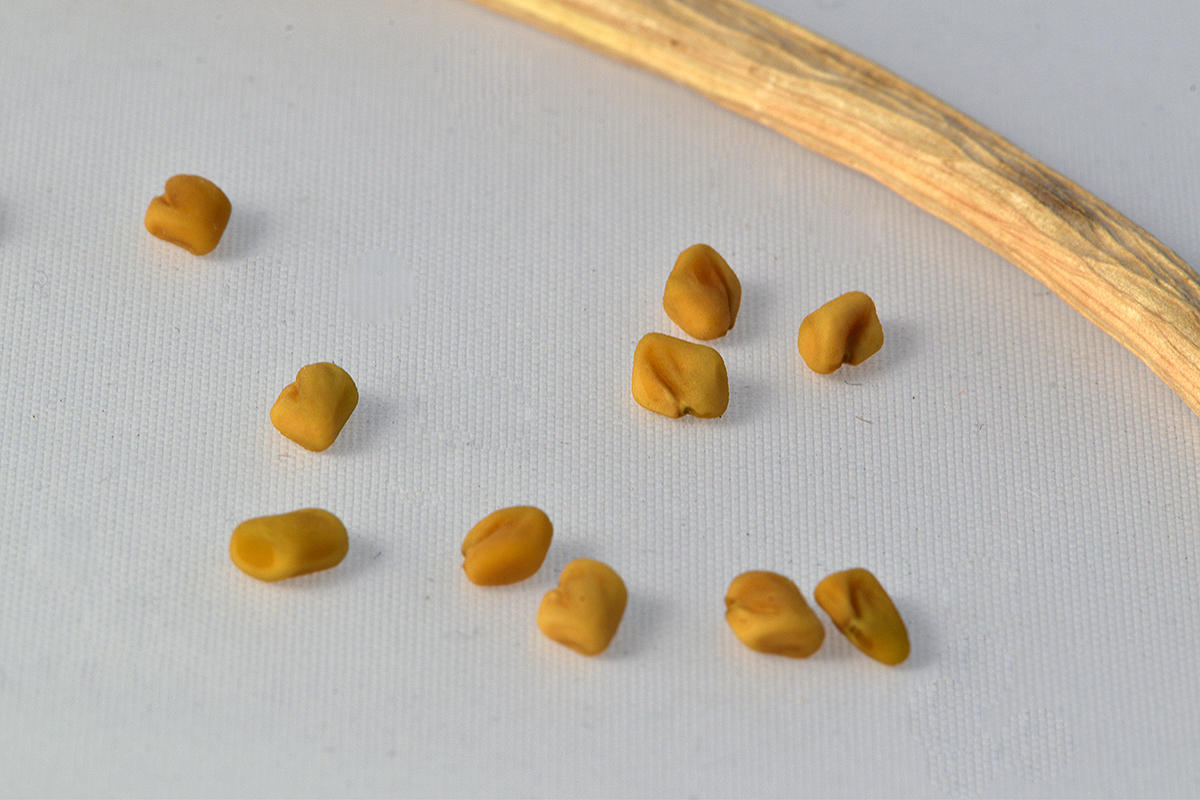
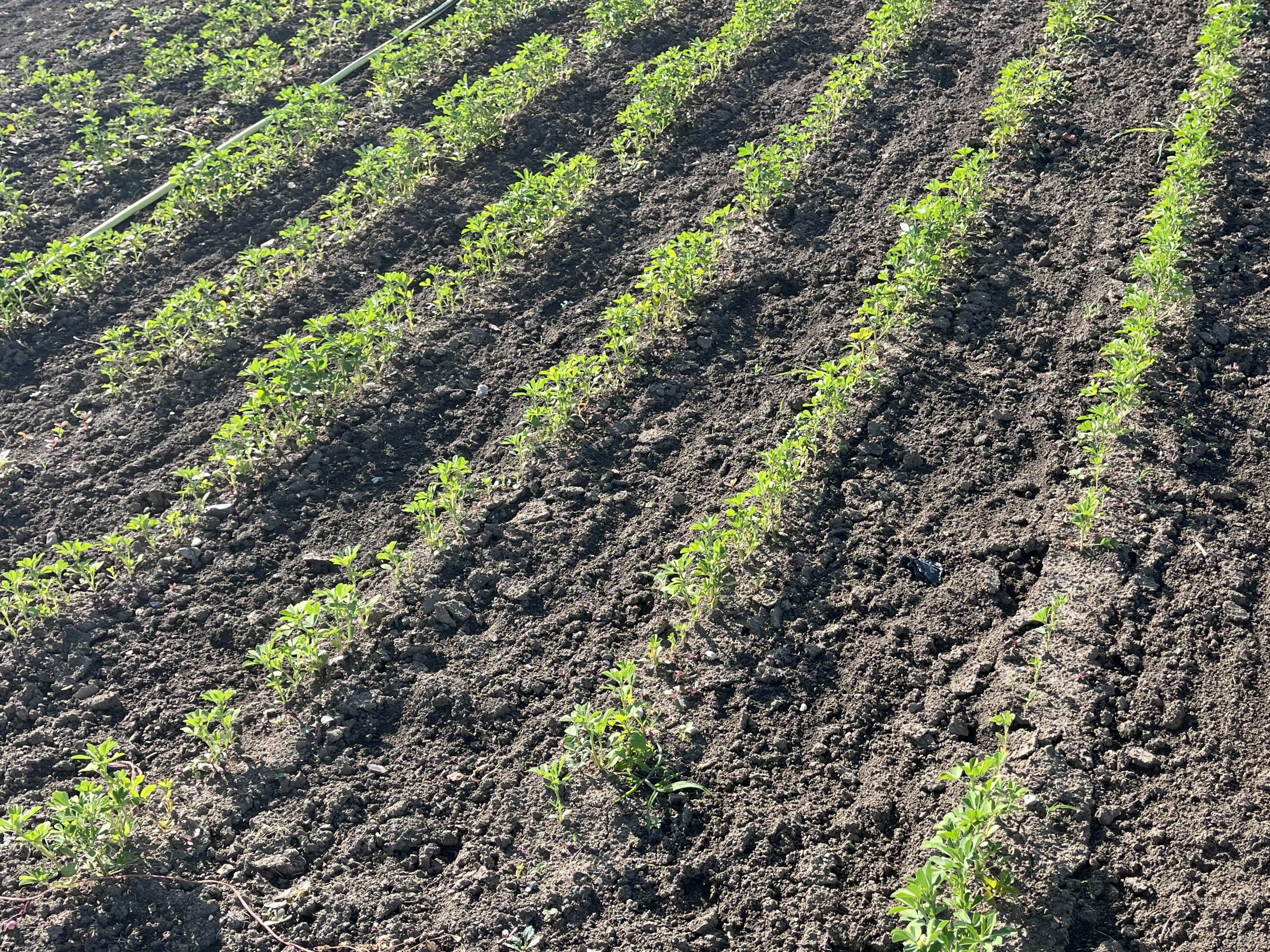
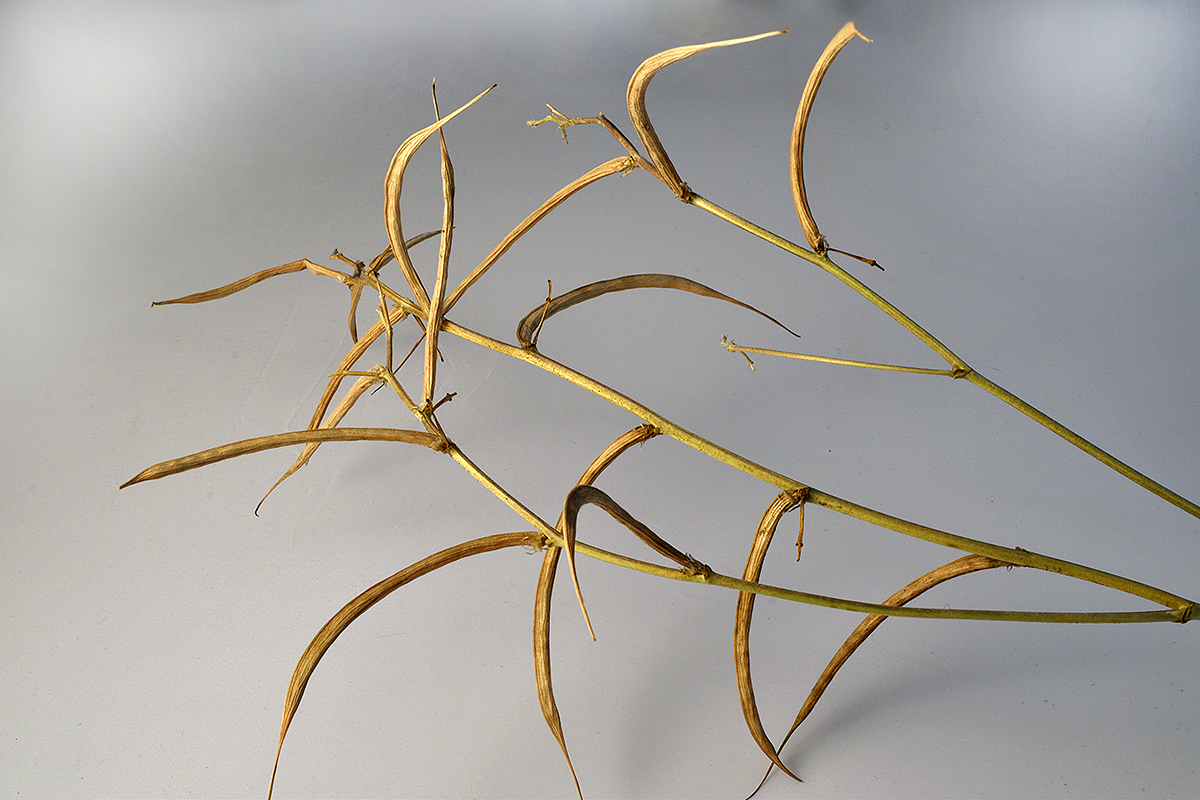
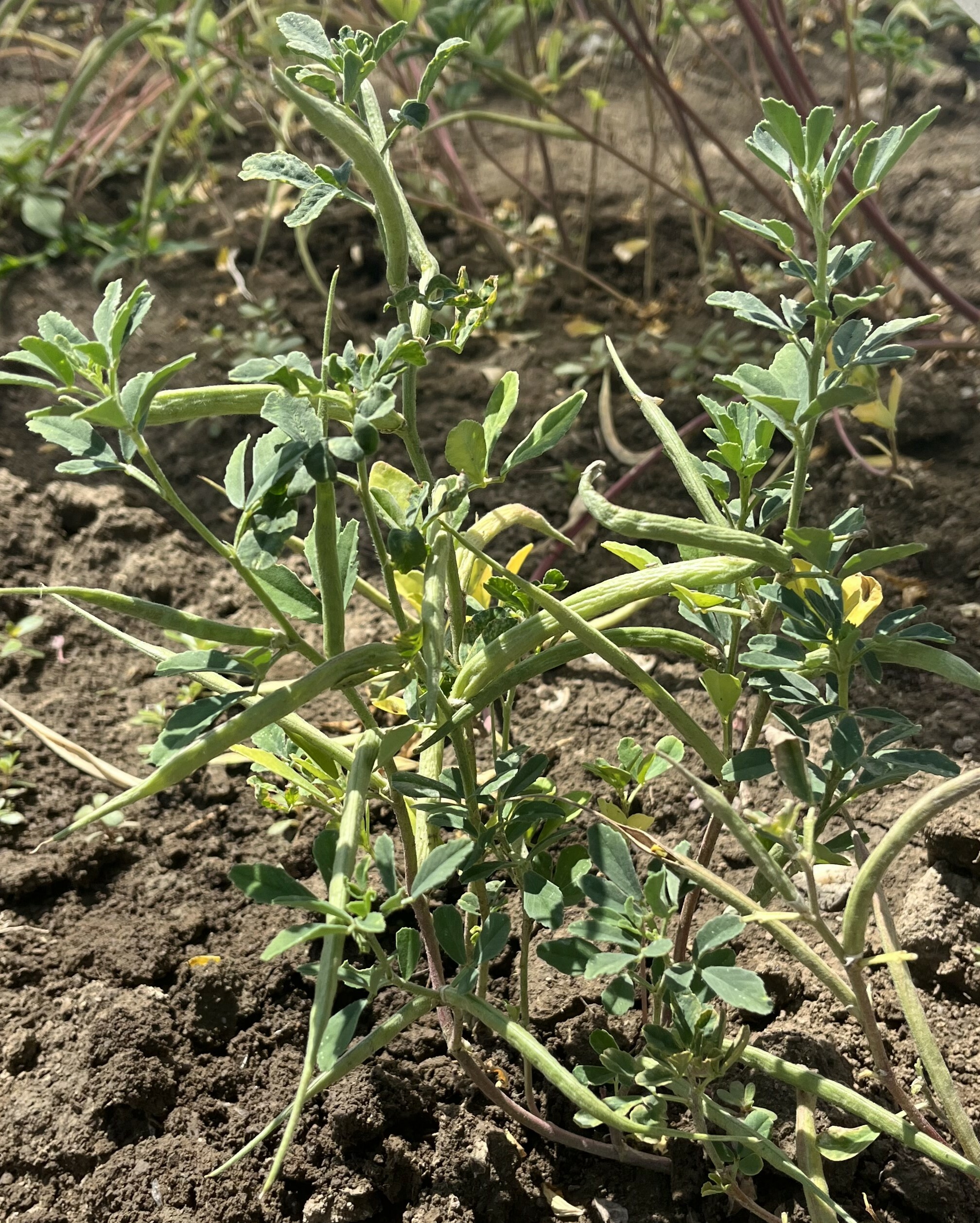
Short description of the species
Interesting
The plant is also used as a raw material for the production of various hormonal and therapeutic drugs.Usage
seeds as a spice in curries, masalas, ingredients for sambars and other dishes where they add a slightly bitter taste, fresh or dried leaves as a vegetable or spice in Indian cuisine, for example, whether in curries, soups or as a seasoningInclusion in the sowing process and fertilization requirements
It is an annual herb. After the seeds ripen, the plant dies and it is necessary to sow it again in the next season.
Track: III.
Suitable pre-crops: cereals, cabbage plants, grasslands
Fertilization: As a legume, fenugreek has the ability to fix atmospheric nitrogen with the help of symbiotic bacteria in the root tubers. Therefore, a high dose of nitrogen is not recommended.
Varieties: There are several varieties of fenugreek that have been bred based on different requirements, such as high yield, disease resistance, or suitability for specific climatic conditions. On our market, fenugreek is a comparatively less well-known crop in terms of cultivation. Most seeds available in general stores or gardening stores are offered without specifying specific varieties. We offer organic seeds for growing sprouts and microgreens plants.
Agrotechnics of cultivation - Direct sowing is carried out in the spring, when there is no longer a threat of frost.
Agro-technique of cultivation - bed method (directly into the soil)
| Month | I. | II. | III. | IV. | V. | VI. | VII. | VIII. | IX. | X. | XI. | XII. |
|---|---|---|---|---|---|---|---|---|---|---|---|---|
| Sowing | XXX | XX | ||||||||||
| Harvest / herb | X | X | ||||||||||
| Harvest / seed | XXX | XXX |
Harvest and storage:
Drug: Semen foeni-graeci (fennel seed), Herba foeni-graeci (fennel root) They are collected, depending on the purpose of cultivation: 1, gorse (green matter), about 20-25 days after sowing, when the plants reach a height of about 10-15 cm, multiple harvesting of green leaves can be done 2, seeds when the plant matures, which is usually 90-100 days after sowing
Uses: seeds as a spice in curries, masalas, ingredients for sambars and other dishes, where they add a mildly bitter taste, fresh or dried leaves as a vegetable or spice for example in Indian cuisine, either in curries, soups or as a seasoning
Impact on human health:
Ingredients: flavonoids, alkaloids (e.g. trigonelline), steroidal saponins (e.g. diosgenin), tannins and phenolic compounds, vitamins, mucilage, proteins, fats
Phytotherapeutic groups: hypoglycemic, hypolipemic, antiphlogistic, mucolytic, hepatoprotective, lactagogue
Diseases and pests:
Among the most common diseases are: fall of key plants, leaf spot, powdery mildew and root rot. Among pests, aphids, whiteflies, mites, caterpillars and larvae can attack it.
Labeling Plants with QR Codes
At the Faculty of Horticulture and Landscape Engineering at SPU in Nitra, we've created a project that offers visitors to our plantings a new way to discover the beauty and intriguing aspects of plants. Each plant in our plantings has its own unique QR code. All a visitor needs to do is scan this code with their smartphone.
Encyclopedy
Informácie
Kontakt
Fakulta záhradníctva a krajinného inžinierstva
Tulipánová 7, 949 76 Nitra
phone +421 (37) 641 4229 — study department
email henrieta.budayová@uniag.sk



Copyright © 2026 Faculty of Horticulture and Landscape Engineering