

 Slovenská verzia
- home
- Spices and aromatic plants
- Lamiaceae
- Basil
- Sweet basil
Sweet basil
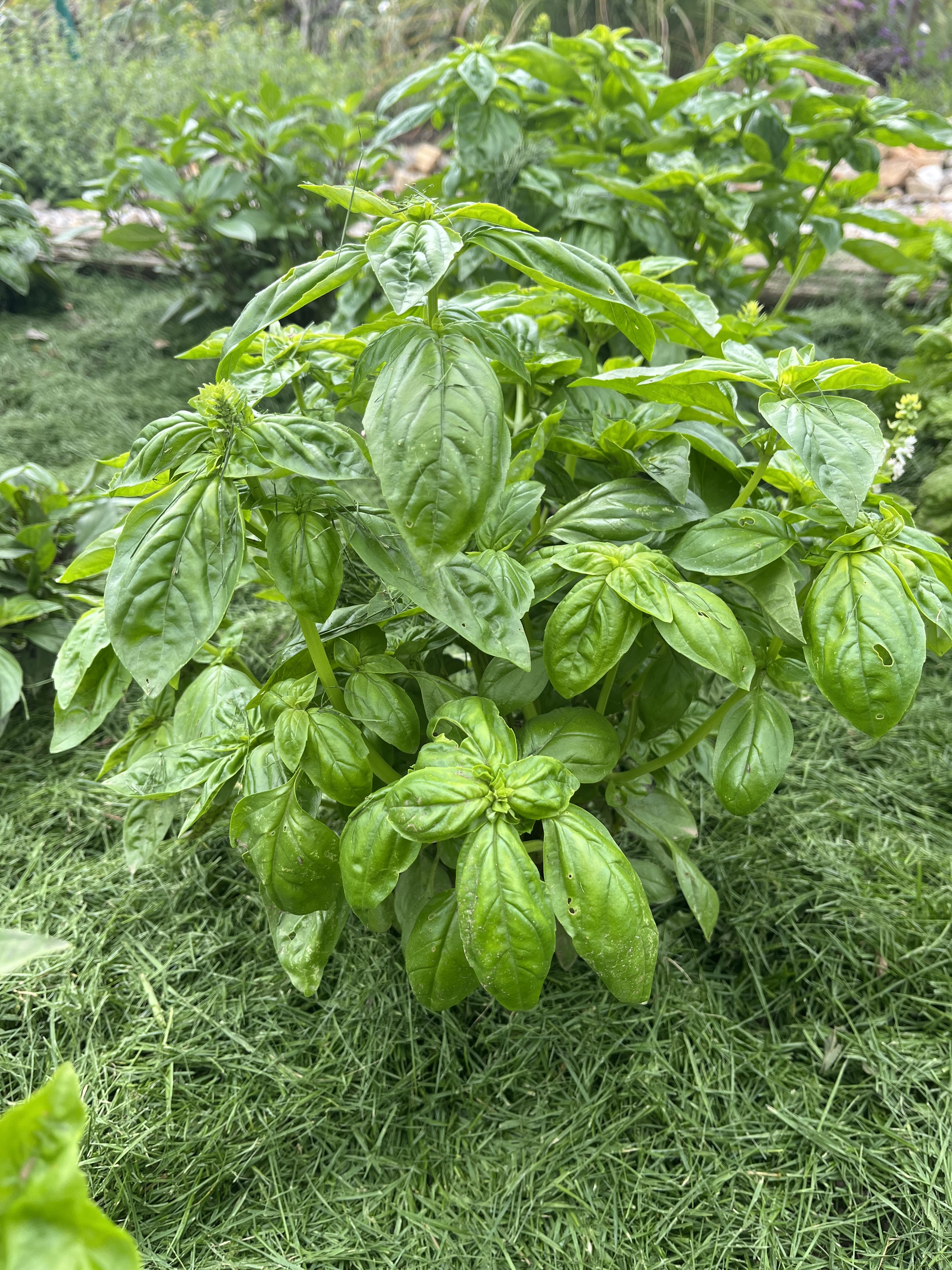

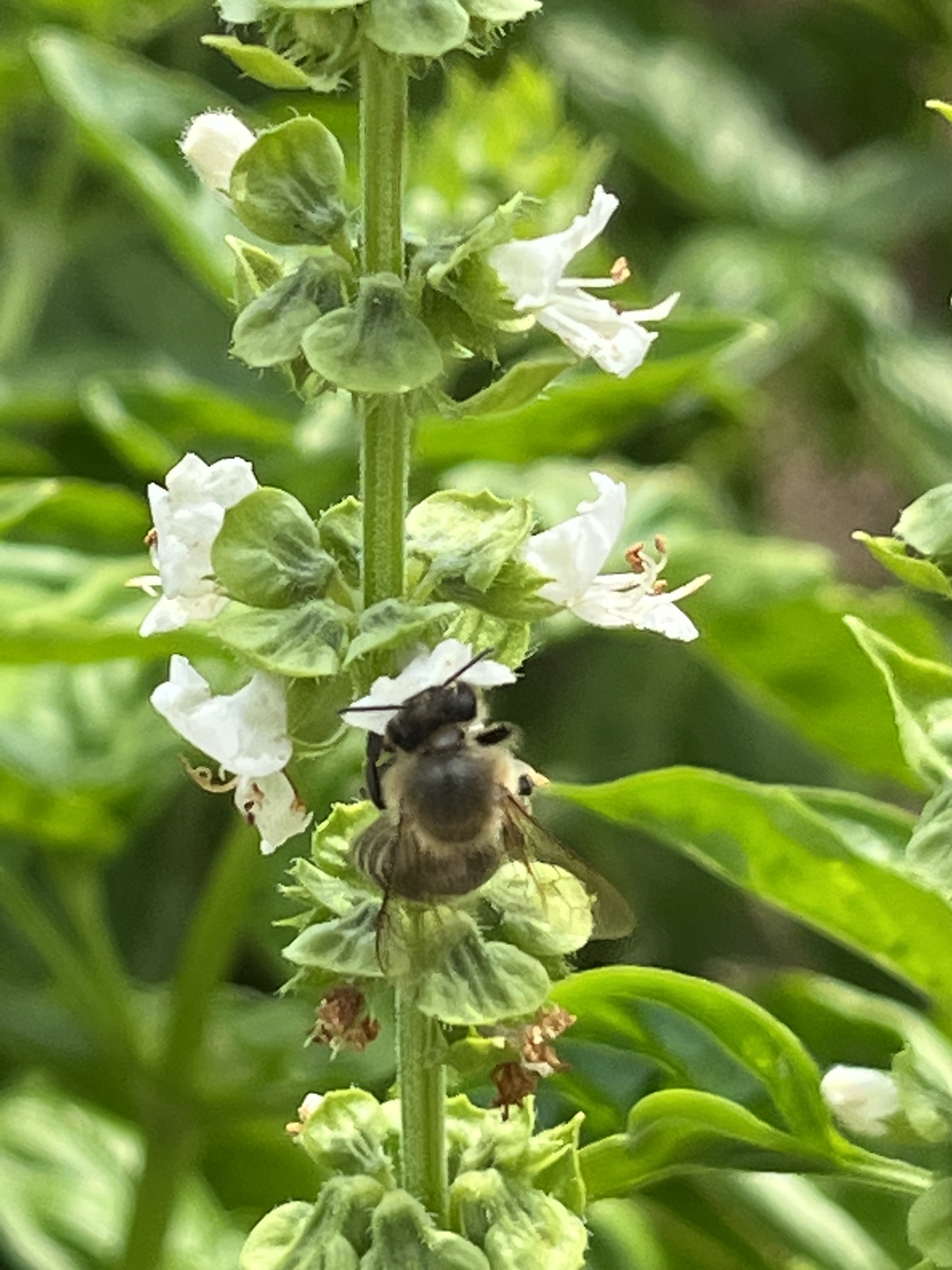
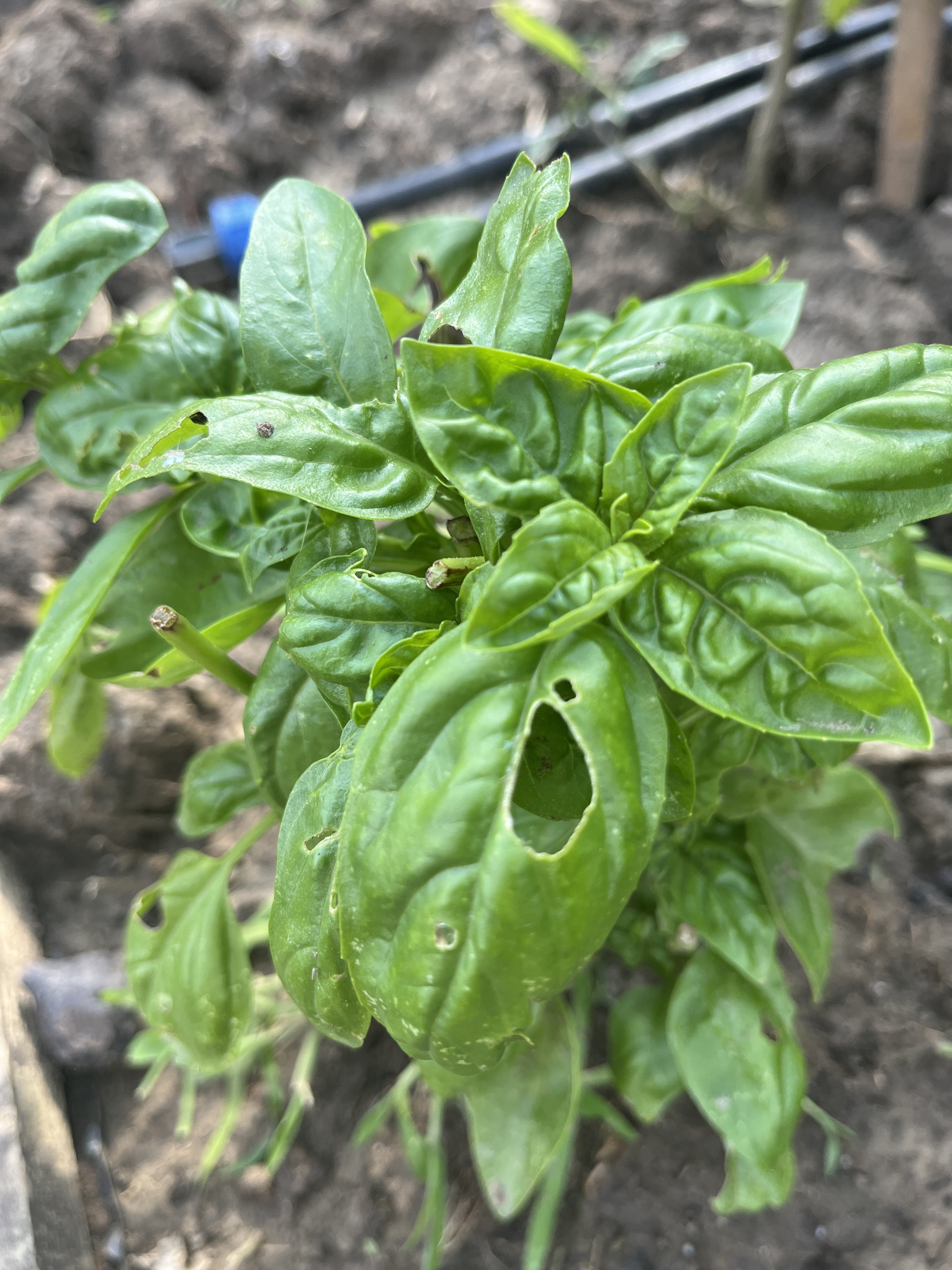
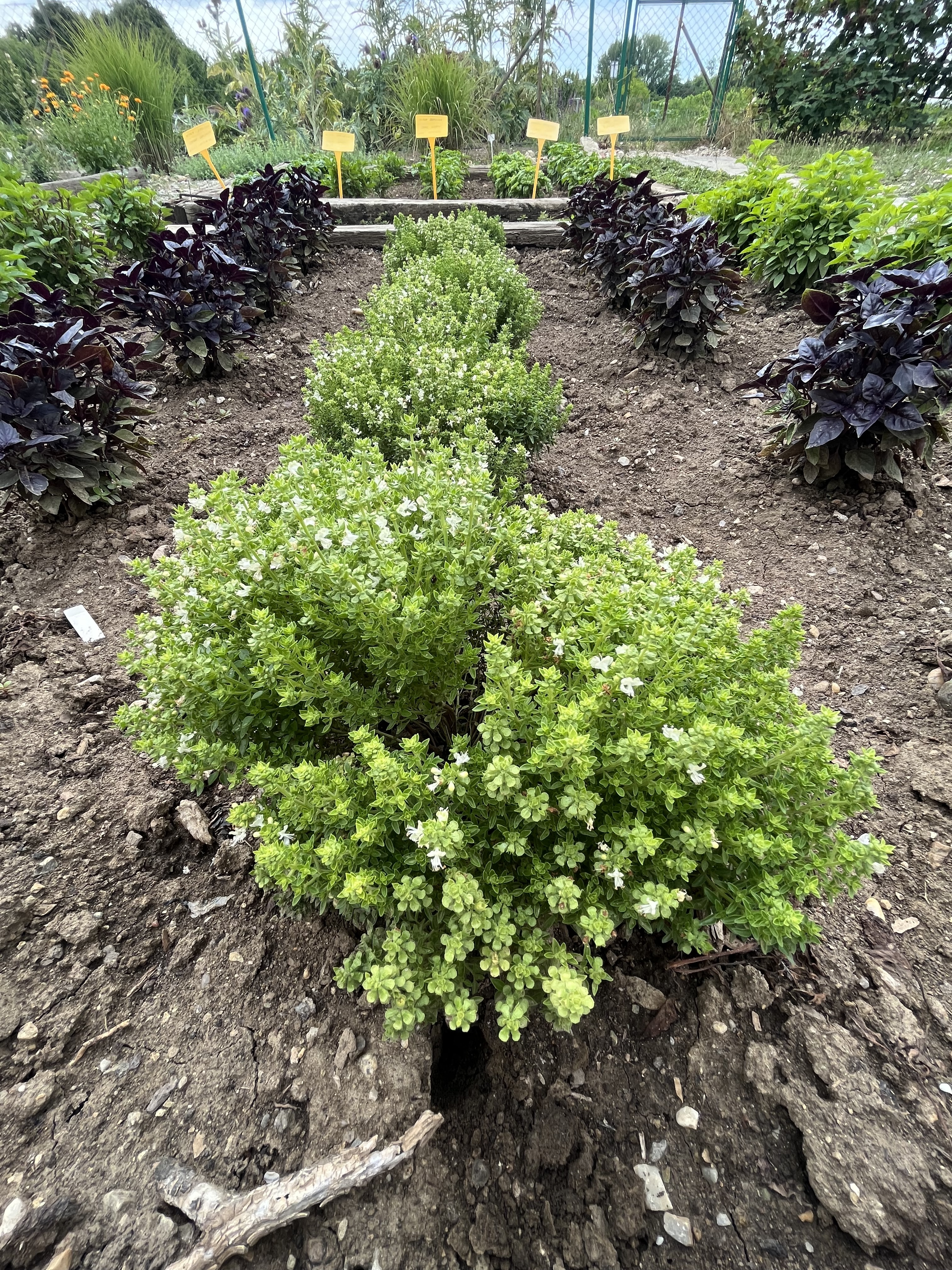
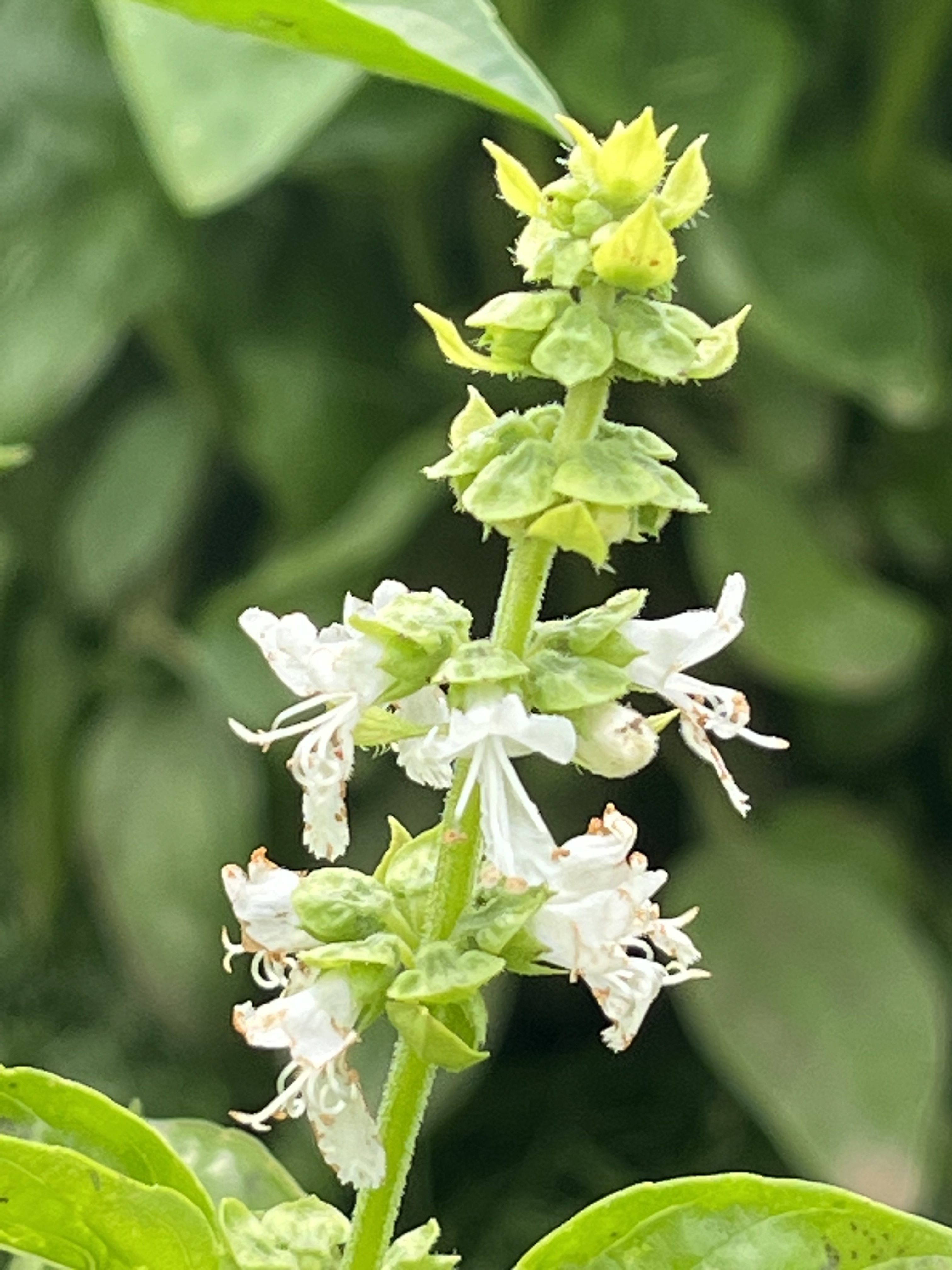
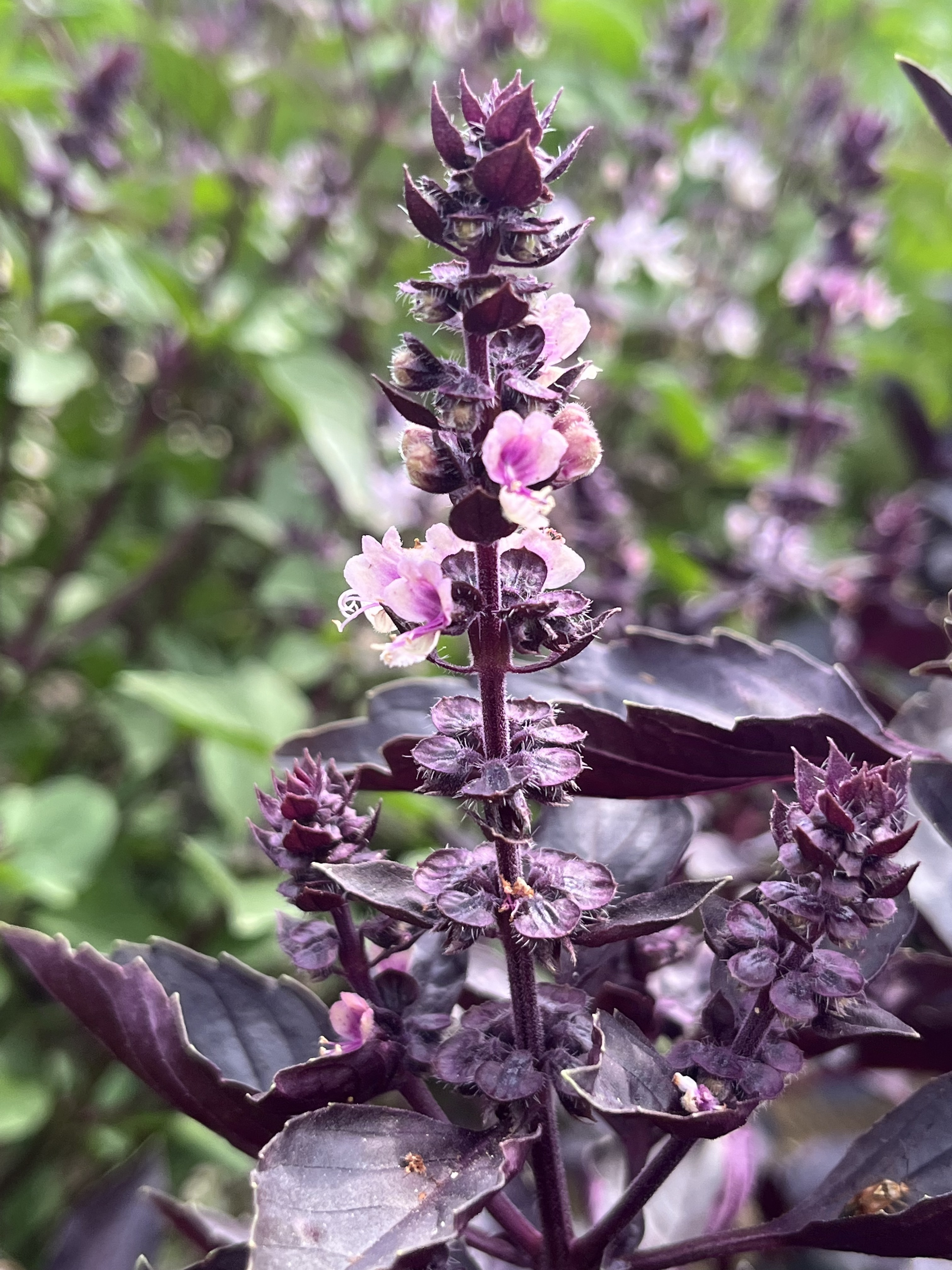
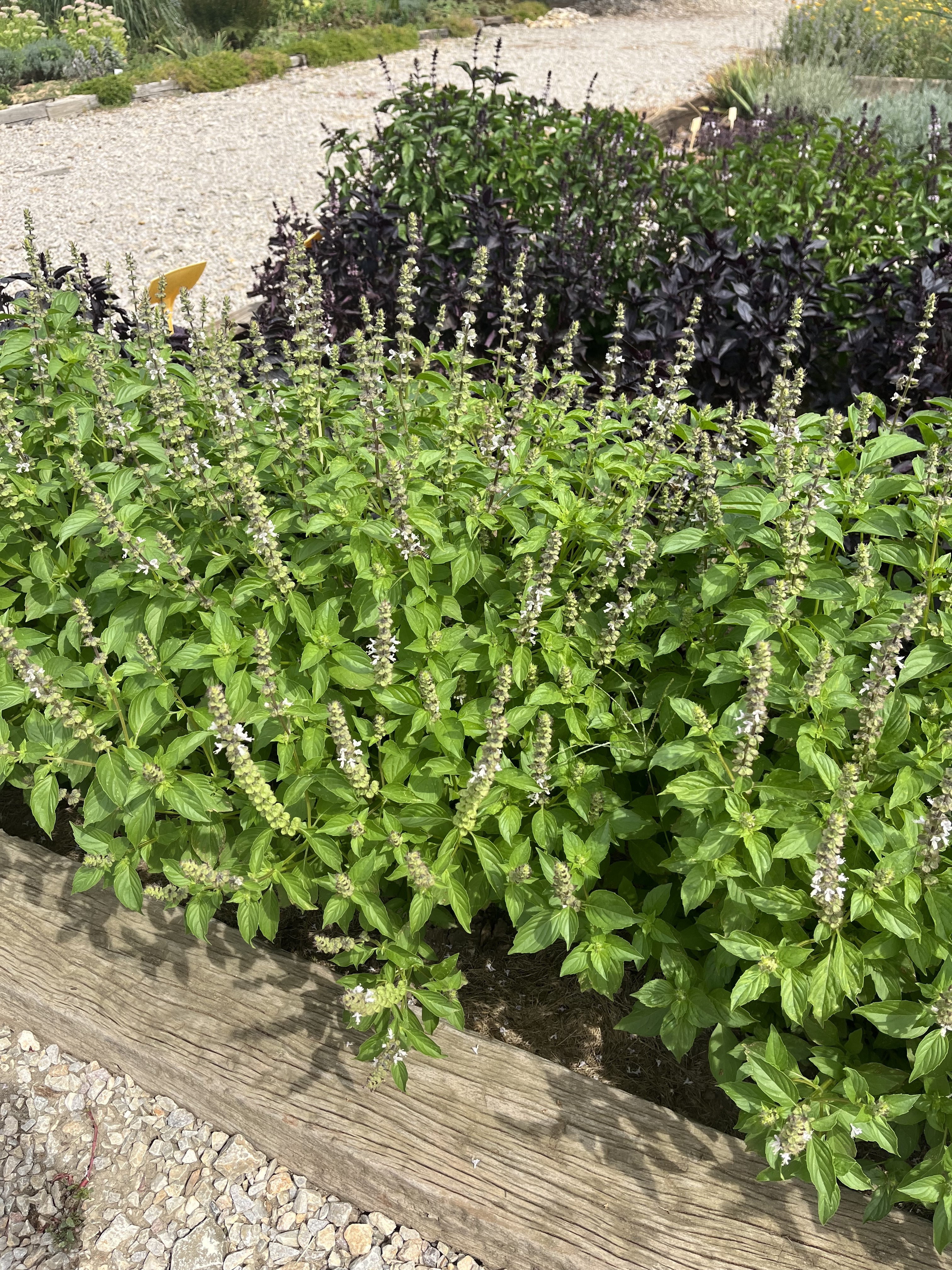
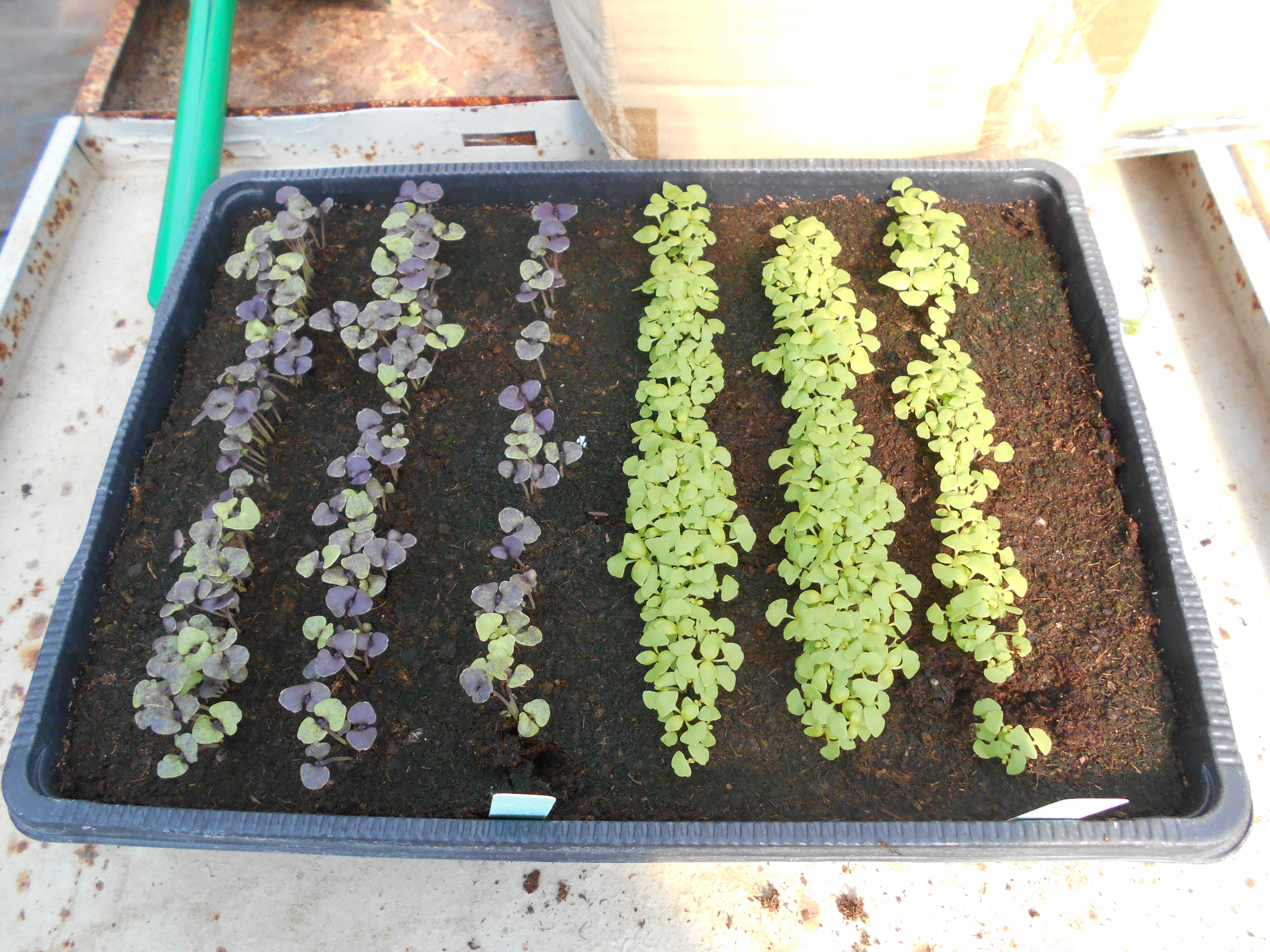
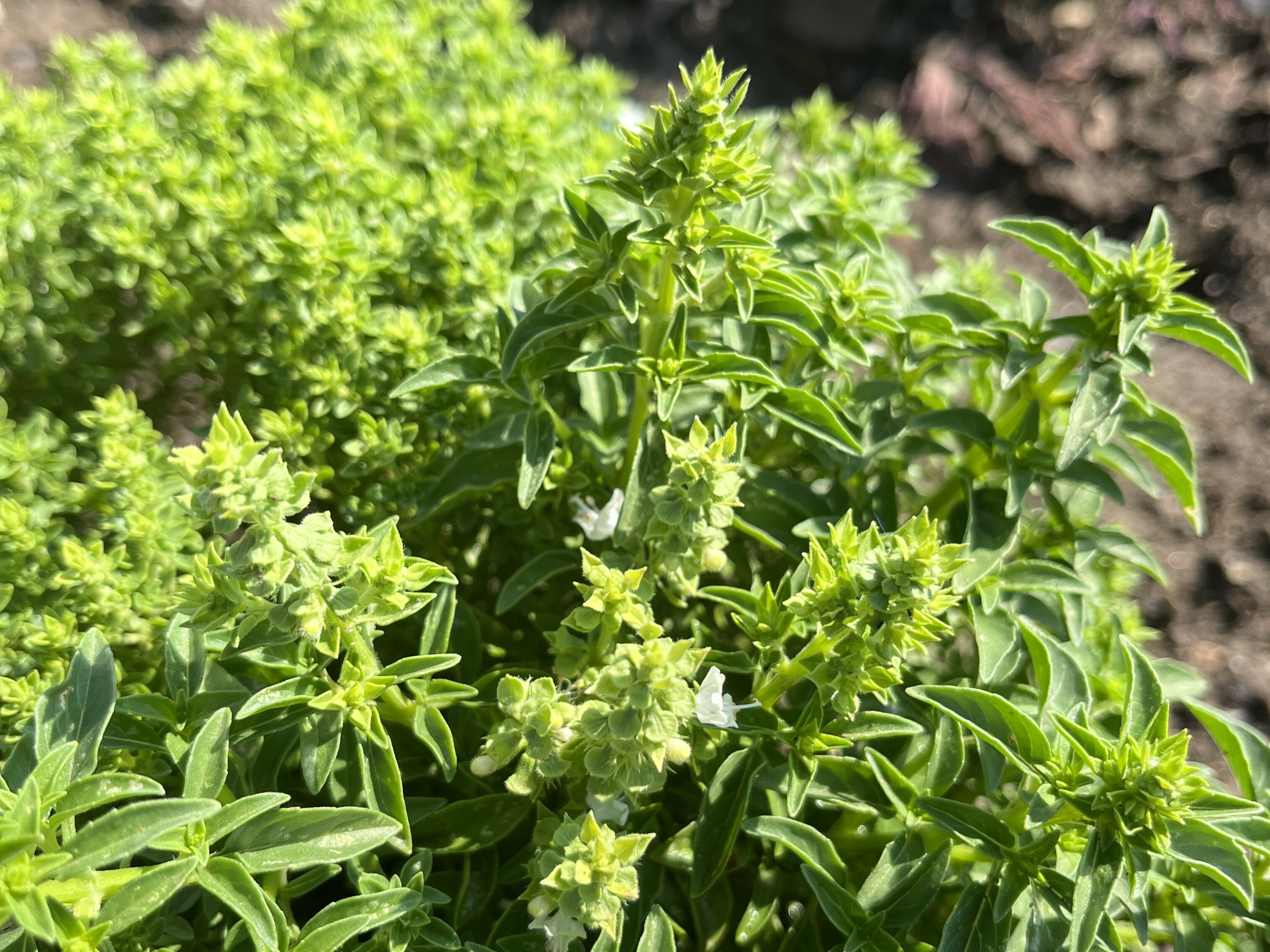
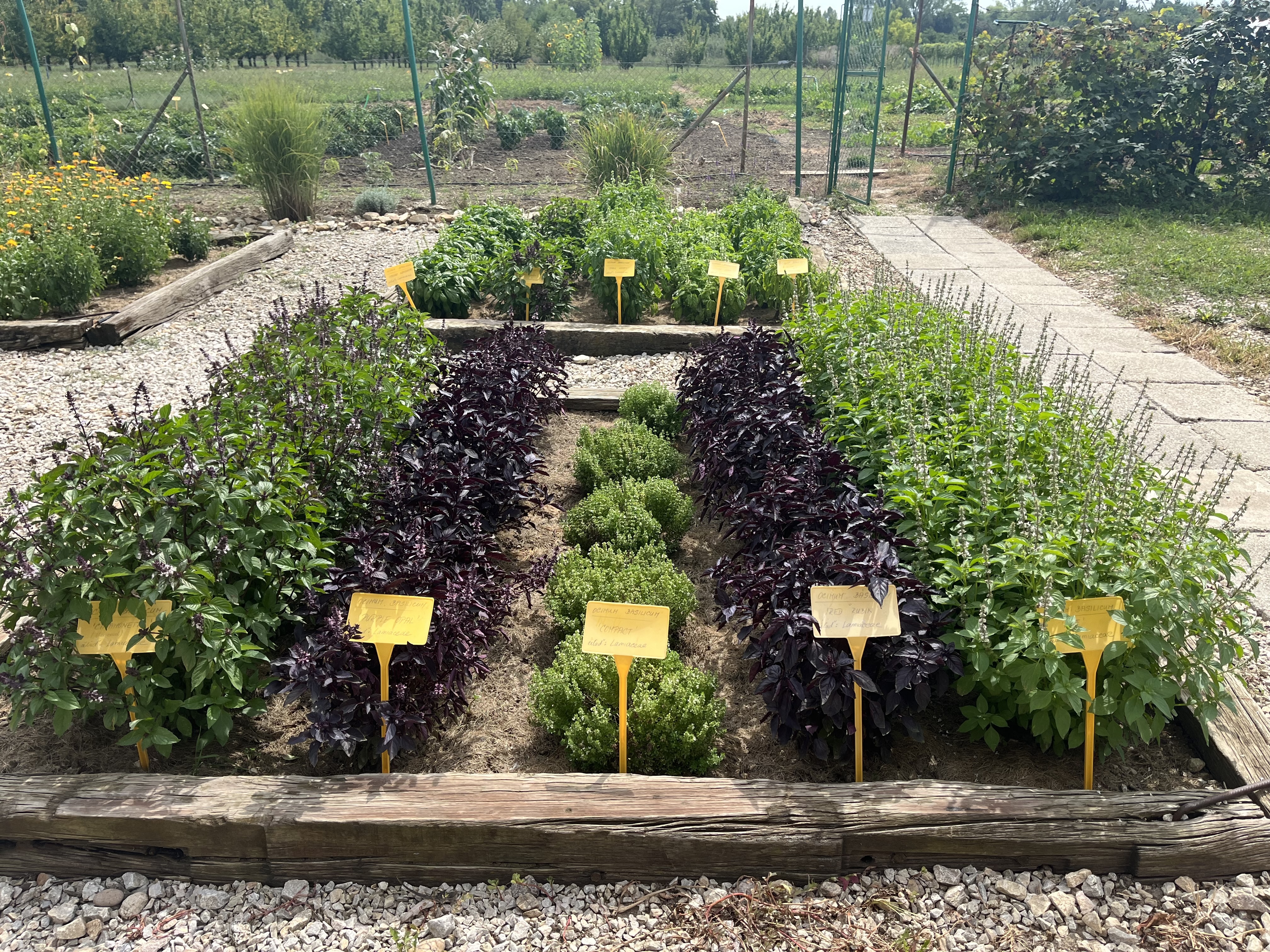
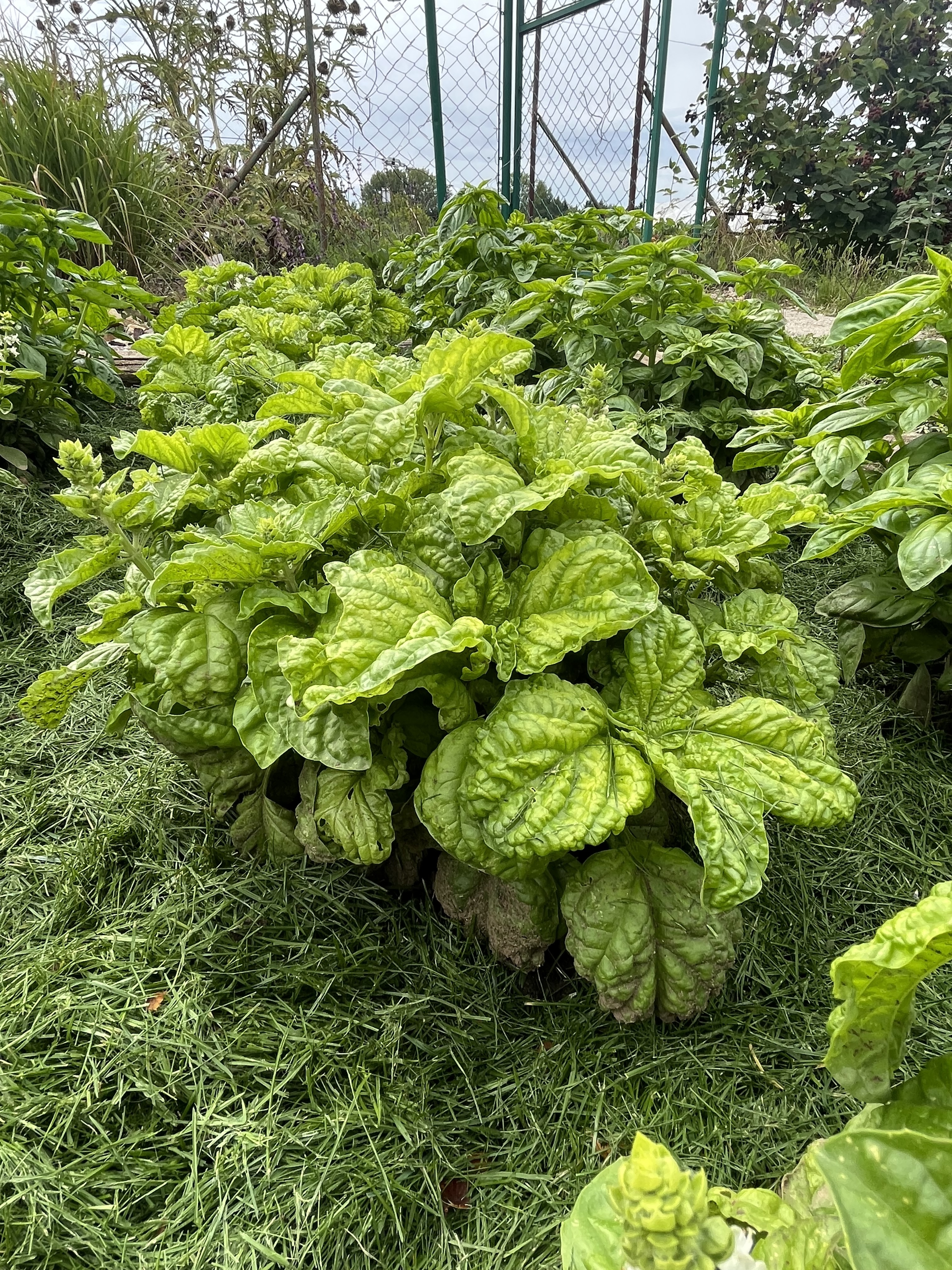
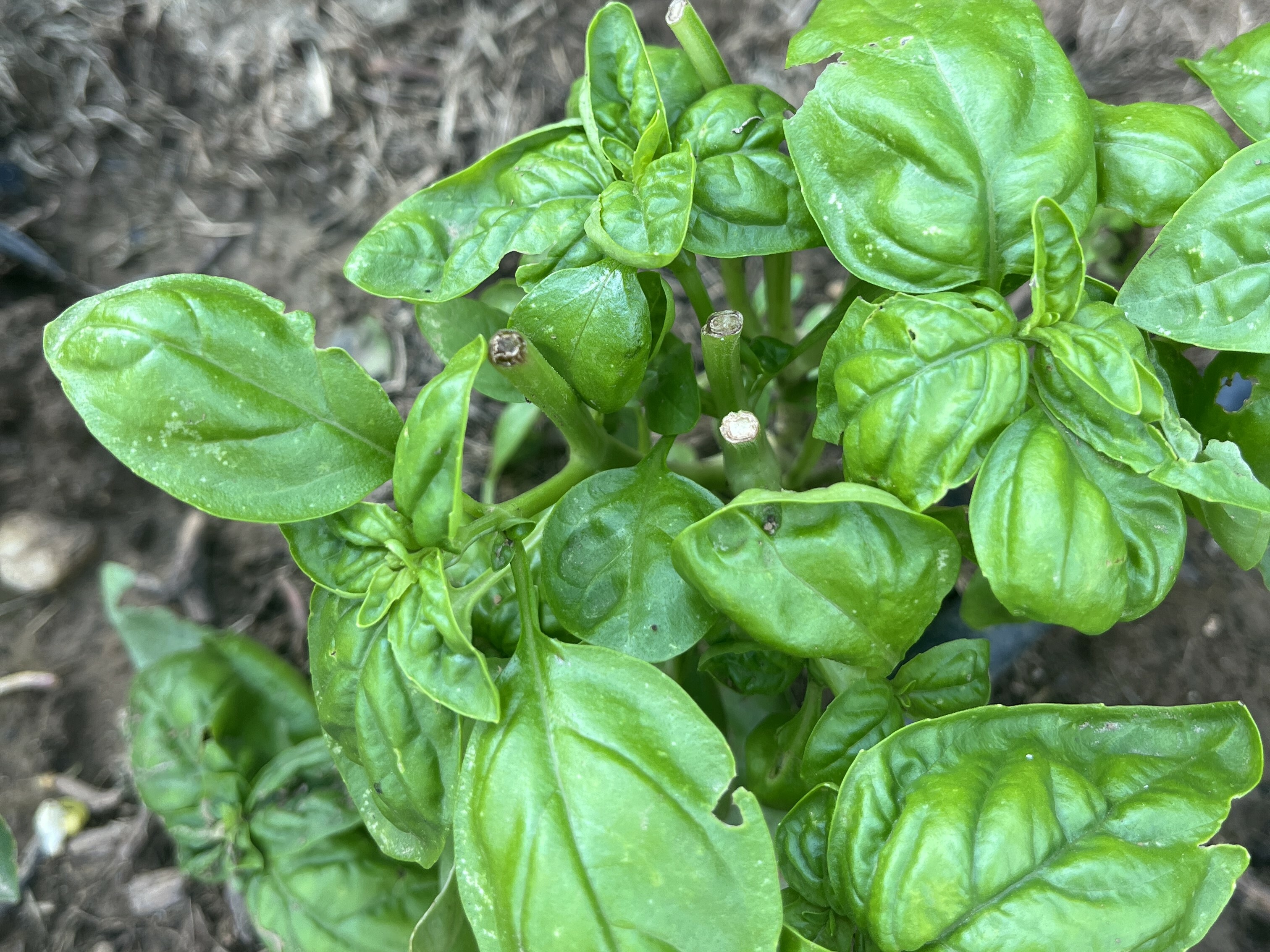
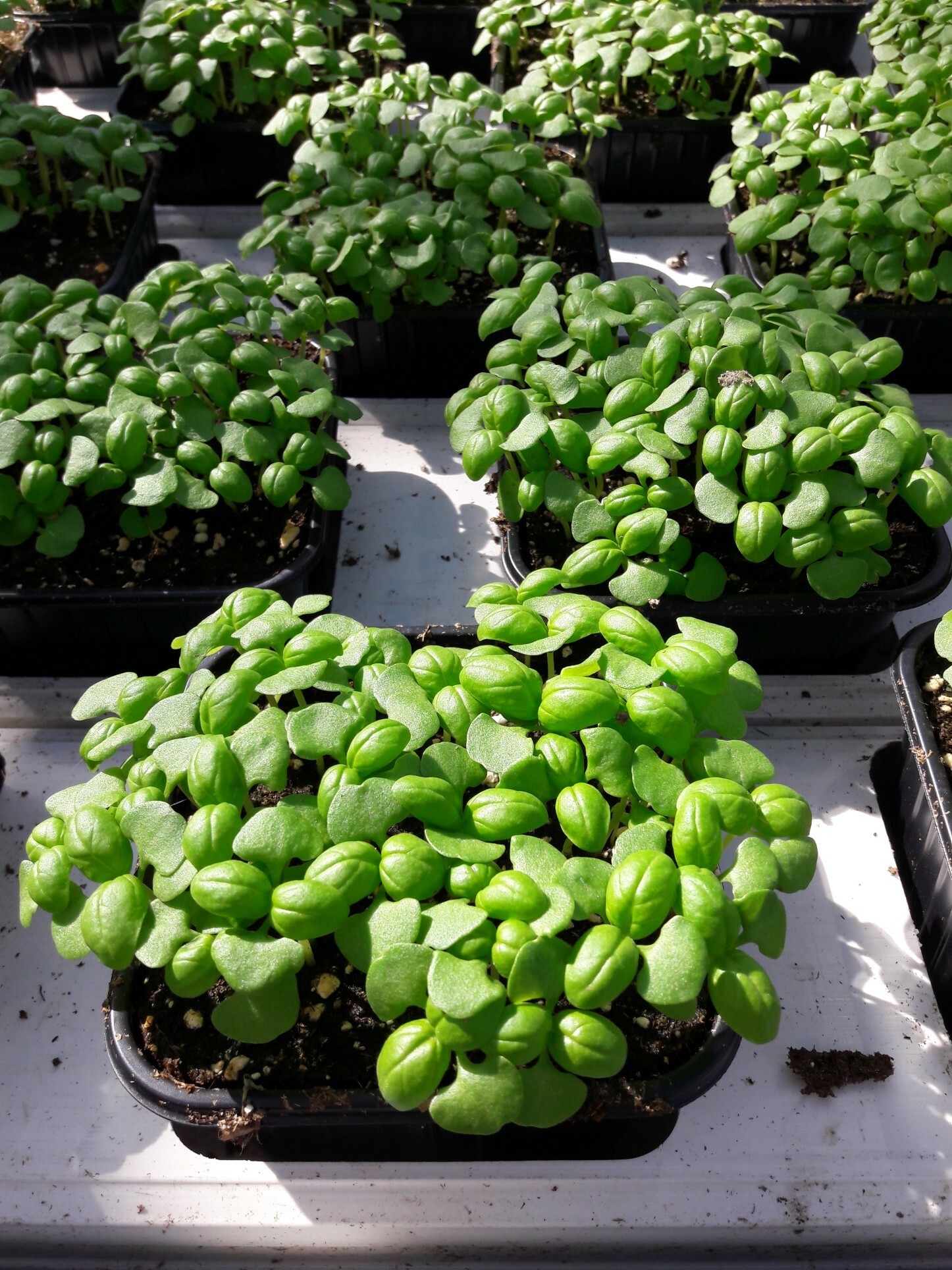
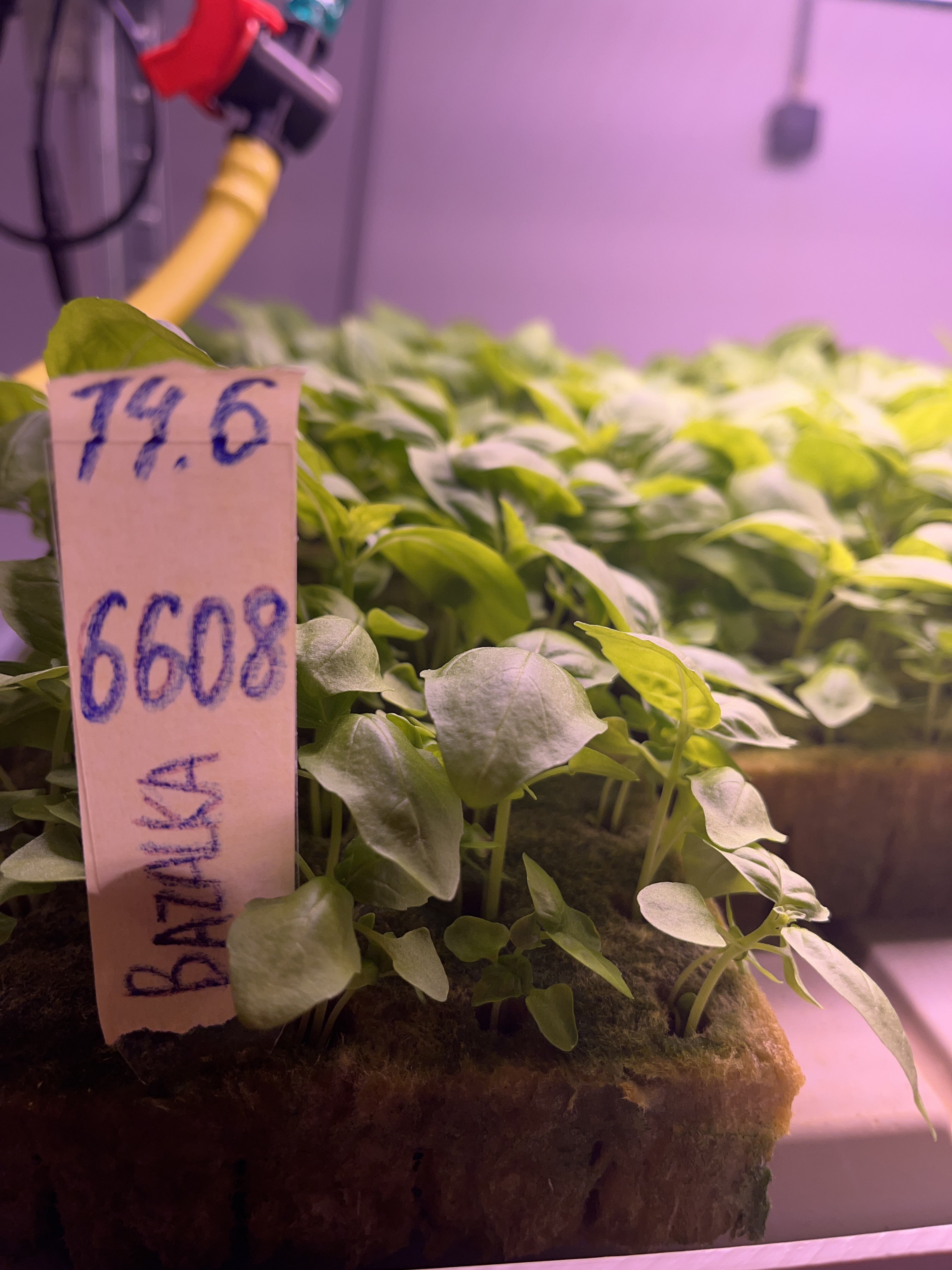
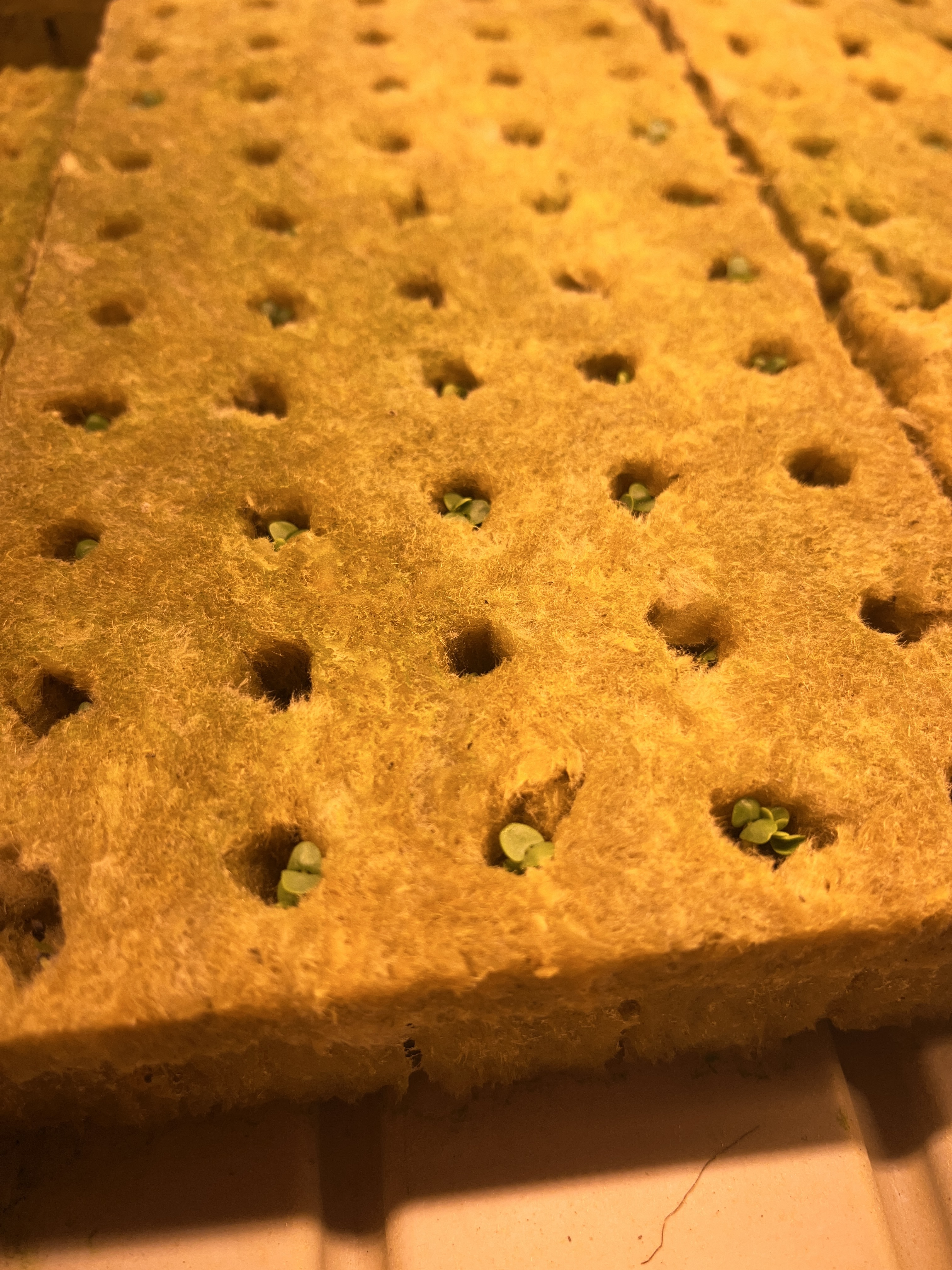
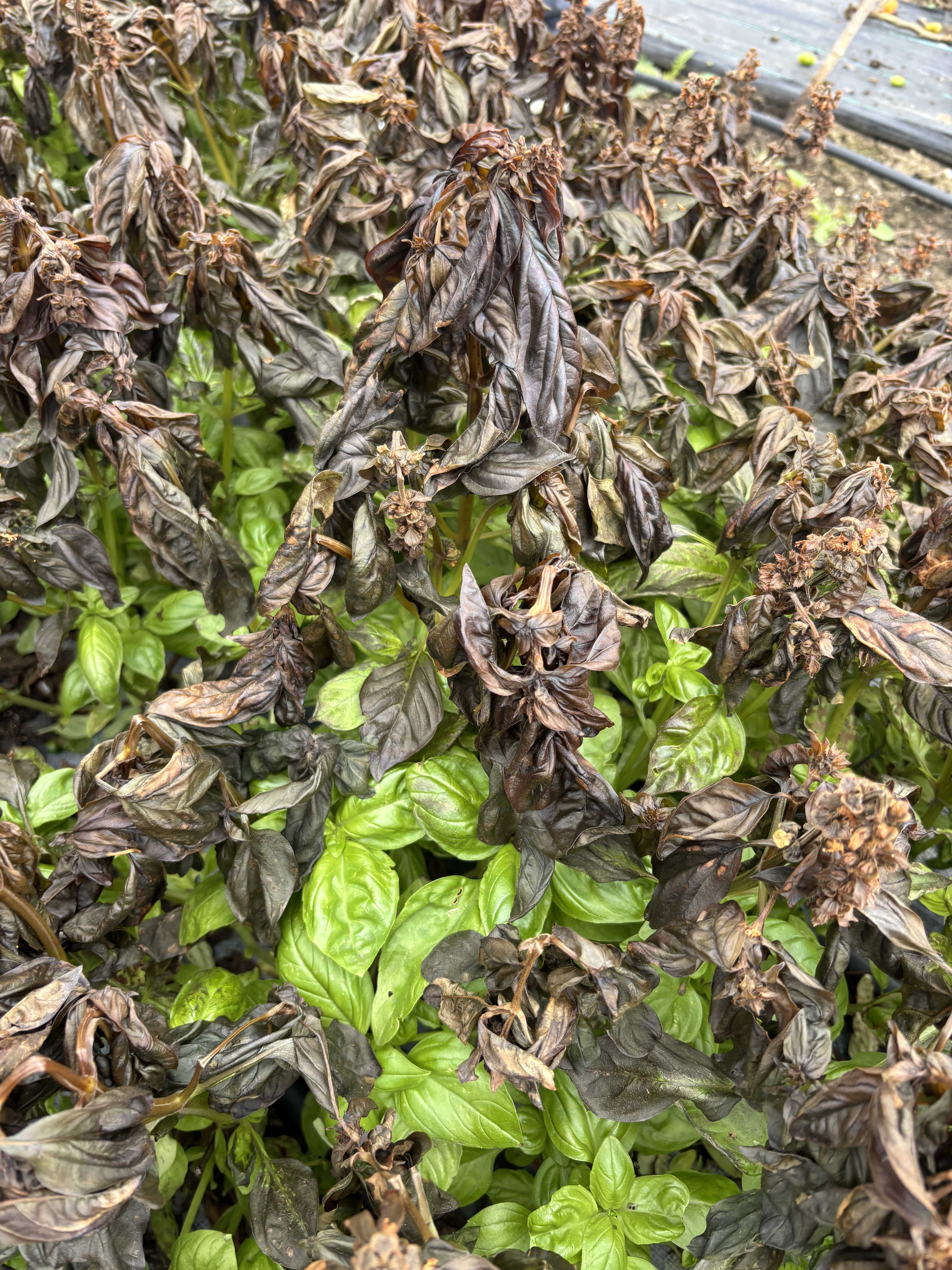
Short description of the species
Interesting
The name basil comes from the Greek word basileus (king), reflecting its historical status as a royal herb in ancient cultures.Usage
Basil is used in Mediterranean and Asian cuisine, especially on pizza, spaghetti, in combination with tomatoes, in salads, pestos, sauces, soups, curries and marinades.Inclusion in the sowing process and fertilization requirements
In our conditions, an annual plant that needs to be planted every year in the spring after the frosts have passed
Track: II.
Suitable pre-crops: legumes, cereals, brassicas, green manures and grasses
Fertilization: It requires soil in old strength, with a low content of organic substances we can incorporate well-ripened farmyard manure or other organic fertilizer into the soil
Varieties:
The range of species and varieties of basil is currently very diverse, and for the sake of clarity, we can divide the species Ocimum basilicum (true basil) into the following groups based on the differences in appearance and taste, which are important for the market and culinary use:
- - Mediterranean and European basils are referred to as sweet basils with anise aroma
- - Robust species with large leaves, which are usually stronger and sharper in taste than other types of basil
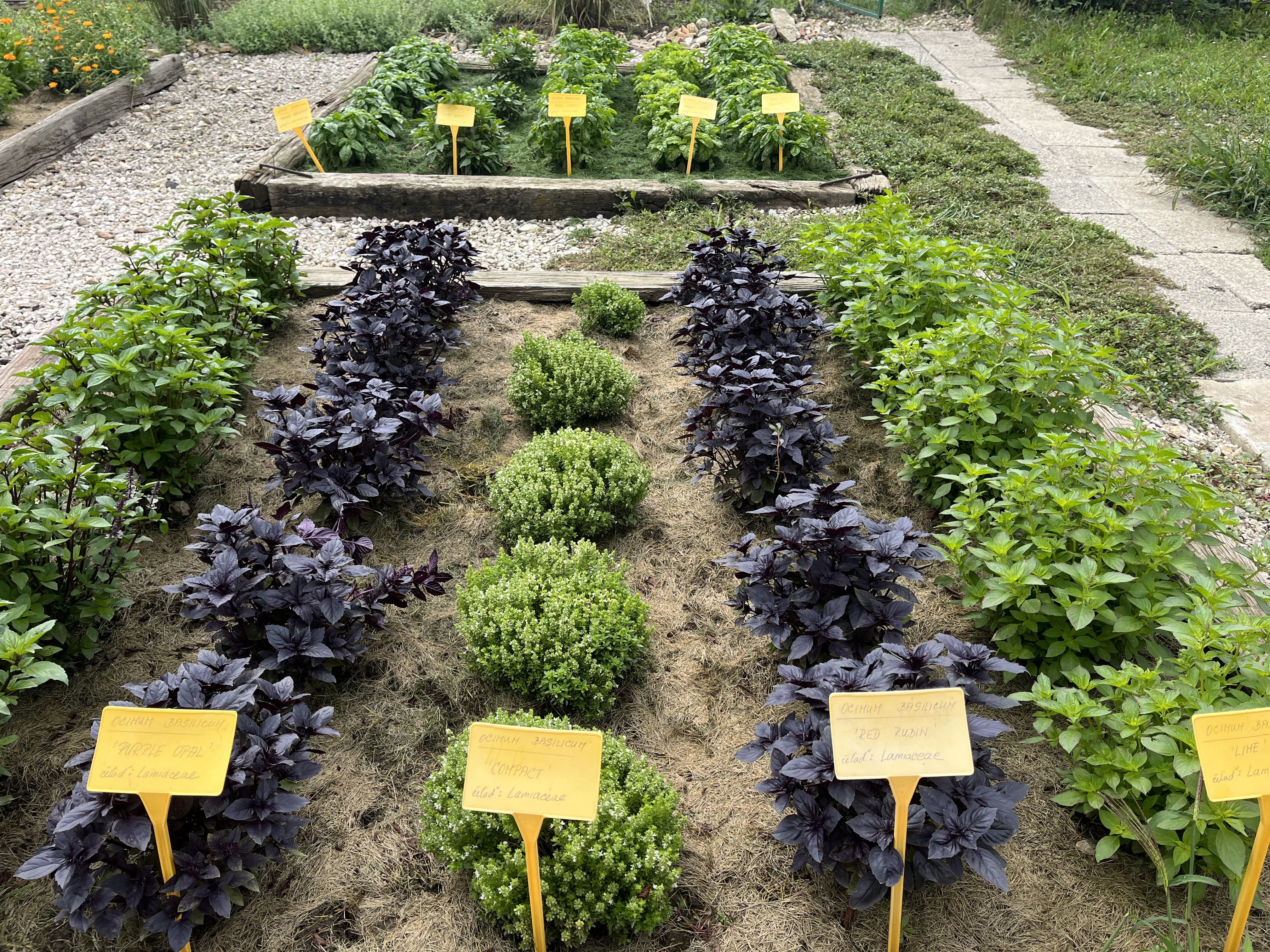
- - Compact basils (the so-called dwarf type) – they have short and small leaves, short internodes, compact species suitable for growing in containers
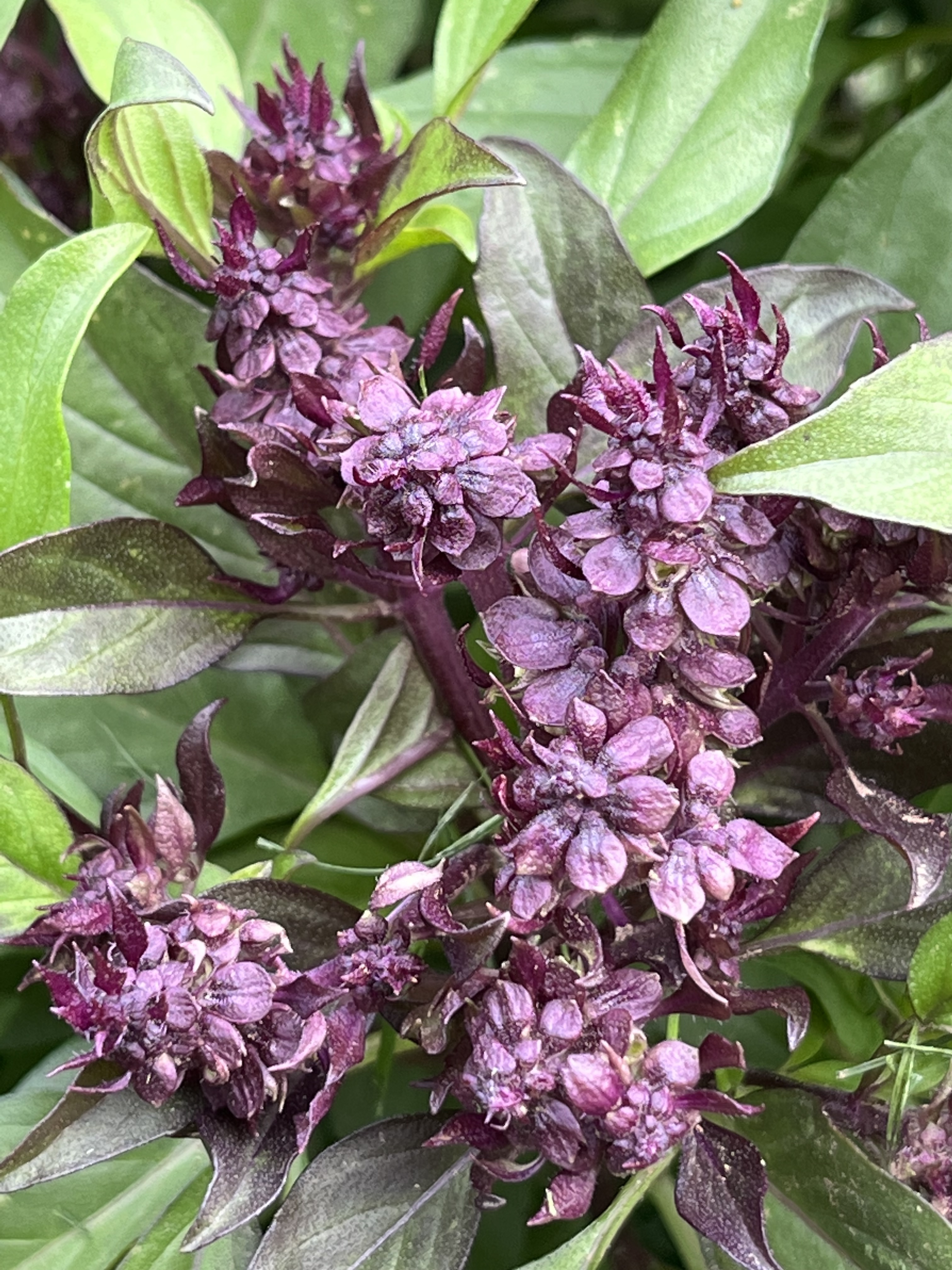
- - Thai basils with red veining of leaves and stems, and a sweet anise scent
- - Opal (purple) basils are characterized by a dark purple color and the traditional taste of sweet basil, they have red to purple leaves and flowers -
- Lemon basil with a strong citrus aroma
- - Cinnamon basils have a distinct cinnamon smell and taste
Agricultural cultivation techniques
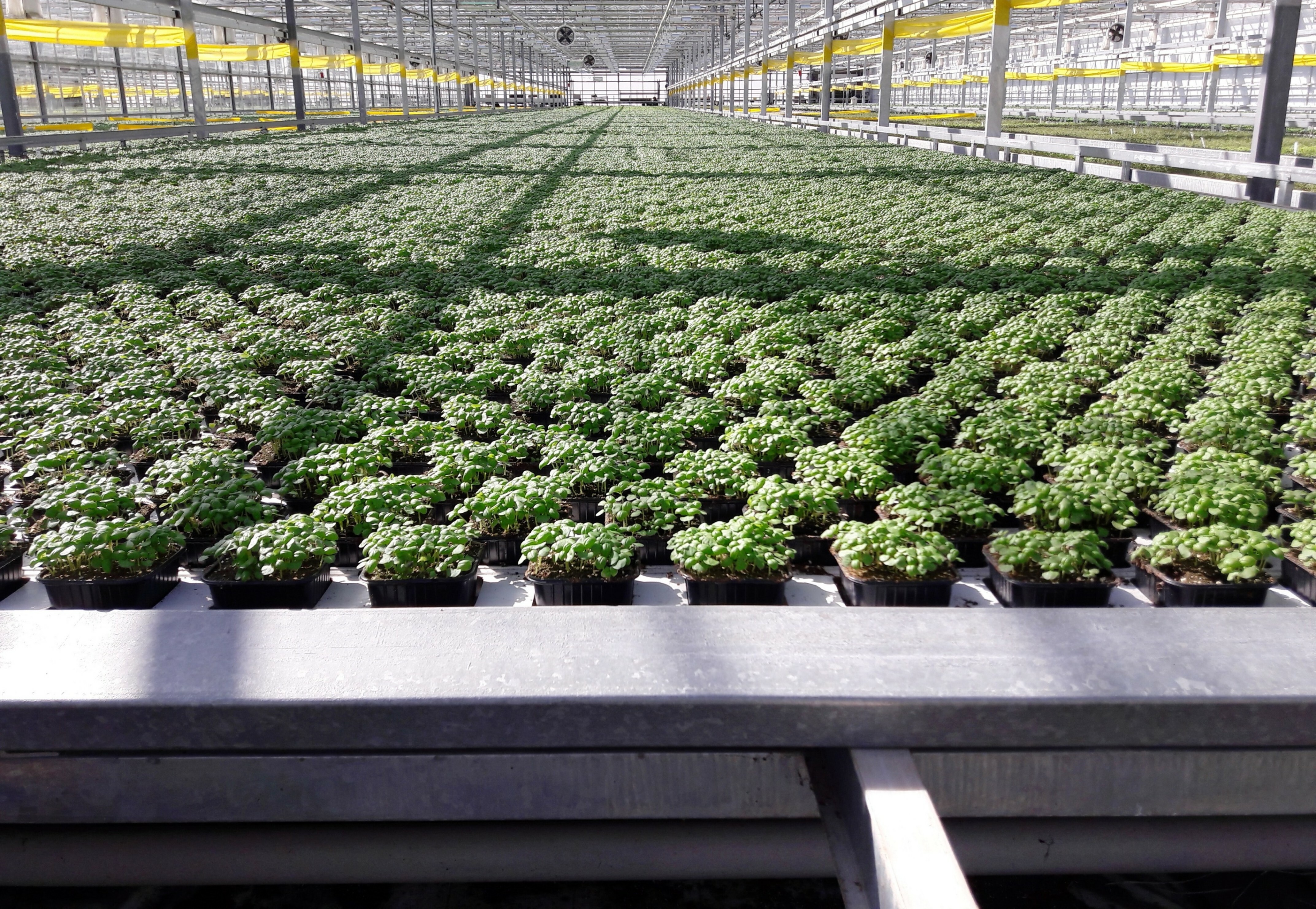
Basil is sensitive to frost, which is why it is grown as an annual plant in our conditions. It is usually pre-grown in the form of transplants, which are planted after May 15, when there is no longer a threat of frost.
Agricultural cultivation techniques - from transplants
| Month | I. | II. | III. | IV. | V. | VI. | VII. | VIII. | IX. | X. | XI. | XII. |
|---|---|---|---|---|---|---|---|---|---|---|---|---|
| Sowing / covered areas | XXX | |||||||||||
| Planting | XX | |||||||||||
| Harvest / herb, leaf | XXX | XXX | XXX | XXX |
Harvest
Harvesting basil should be regular and done before flowering to encourage further growth and branching of the plant. Depending on the growing conditions, basil can be harvested 2-3 times in one year in our conditions.
Usage:
Basil is used in Mediterranean and Asian cuisine, especially on pizza, spaghetti, in combination with tomatoes, in salads, pestos, sauces, soups, curries and marinades.
Impact on human health:
Ingredients: essential oils, phenolic acids, flavonoids, vitamins
Phytotherapeutic groups: stomachic, carminative, spasmolytic, antiseptic, dermatological
Diseases and pests: diseases and pests that commonly attack basil include downy mildew (in recent years Peronospora belbahrii has gained economic importance), fusarium wilt, botrytis (gray mold), bacterial leaf spot, aphids, whiteflies and mites.
Labeling Plants with QR Codes
At the Faculty of Horticulture and Landscape Engineering at SPU in Nitra, we've created a project that offers visitors to our plantings a new way to discover the beauty and intriguing aspects of plants. Each plant in our plantings has its own unique QR code. All a visitor needs to do is scan this code with their smartphone.
Encyclopedy
Informácie
Kontakt
Fakulta záhradníctva a krajinného inžinierstva
Tulipánová 7, 949 76 Nitra
phone +421 (37) 641 4229 — study department
email henrieta.budayová@uniag.sk



Copyright © 2026 Faculty of Horticulture and Landscape Engineering