

 Slovenská verzia
- home
- Spices and aromatic plants
- Lamiaceae
- Rosemary
- Rosemary
Rosemary
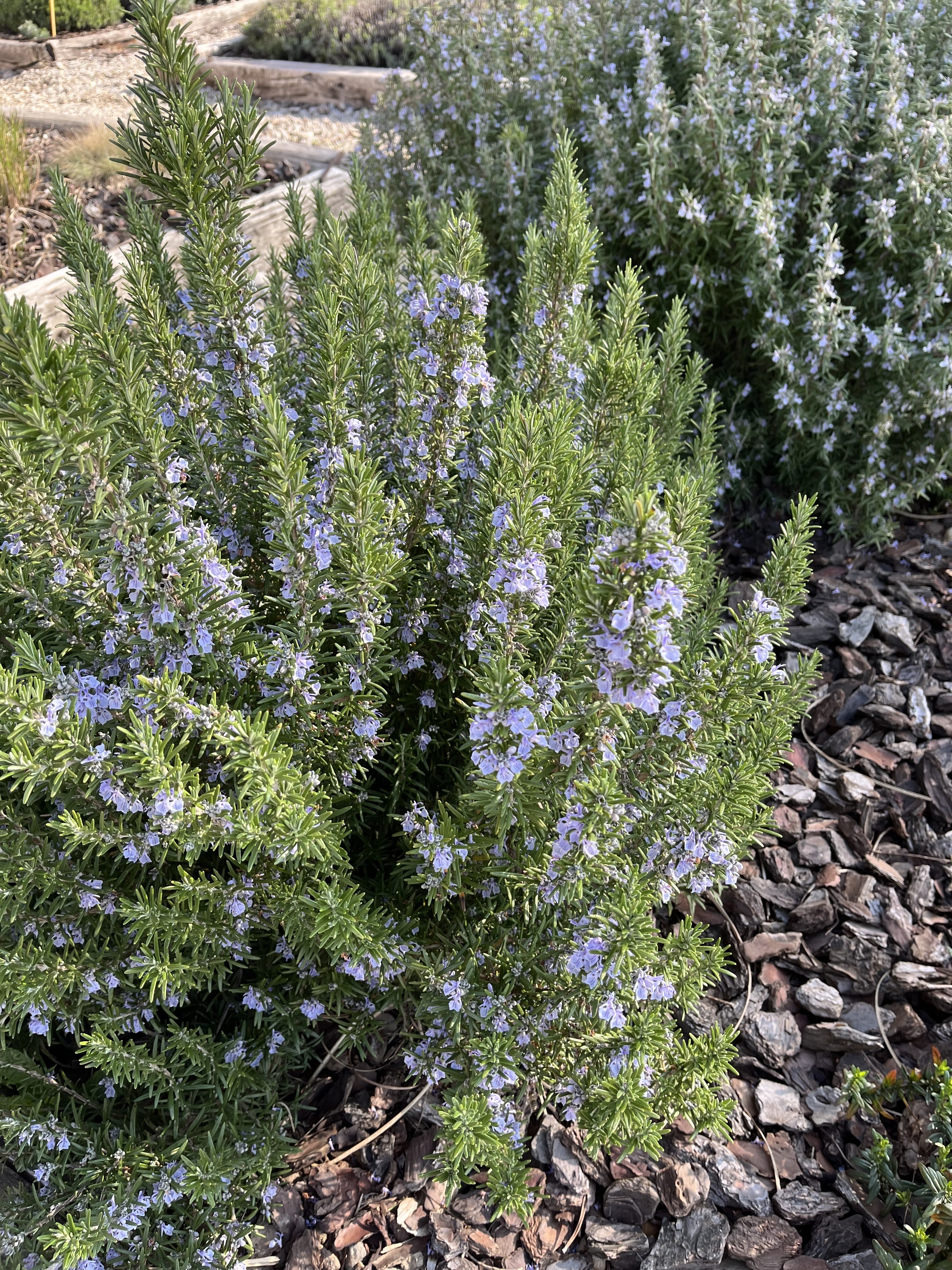
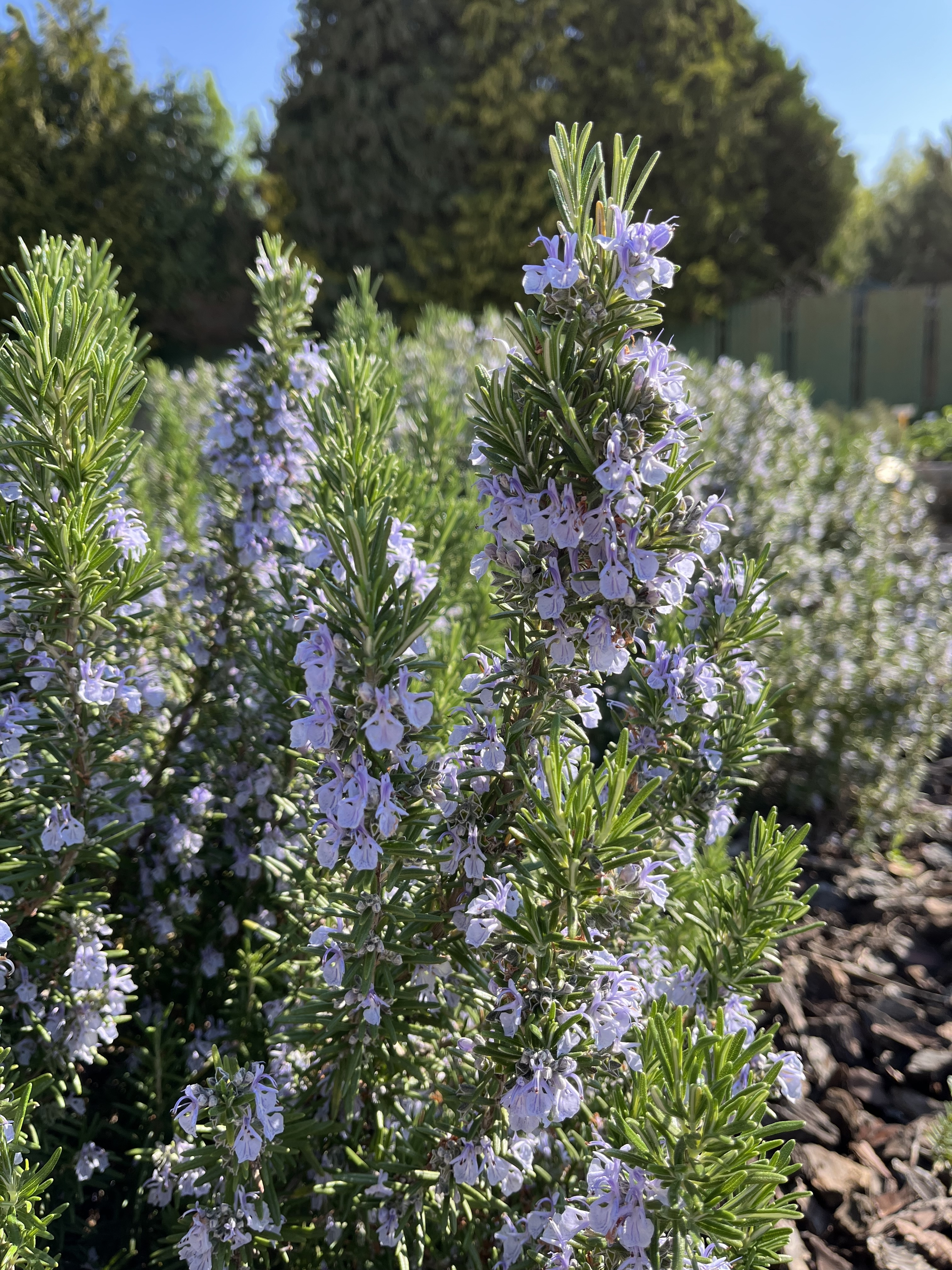
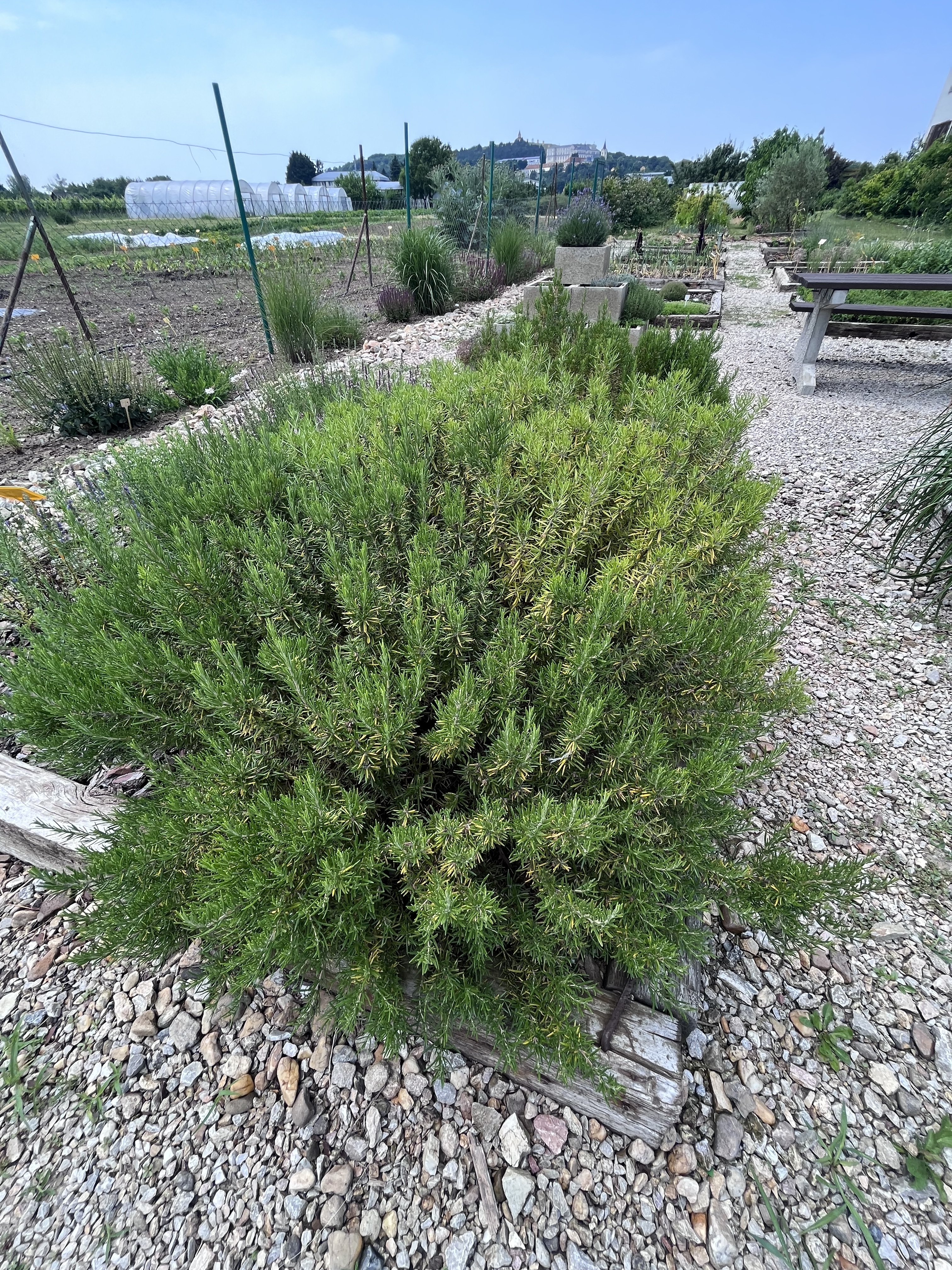
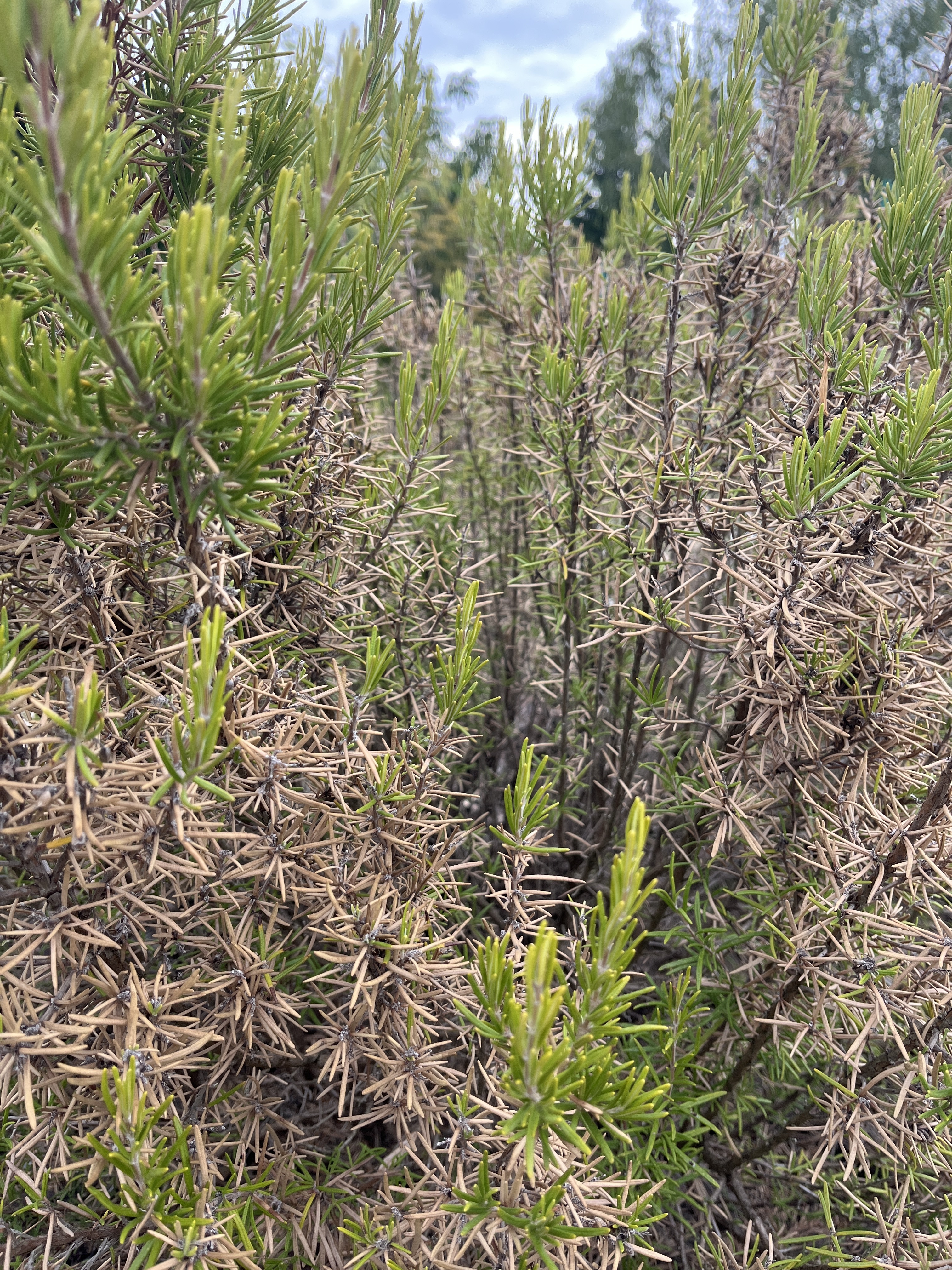
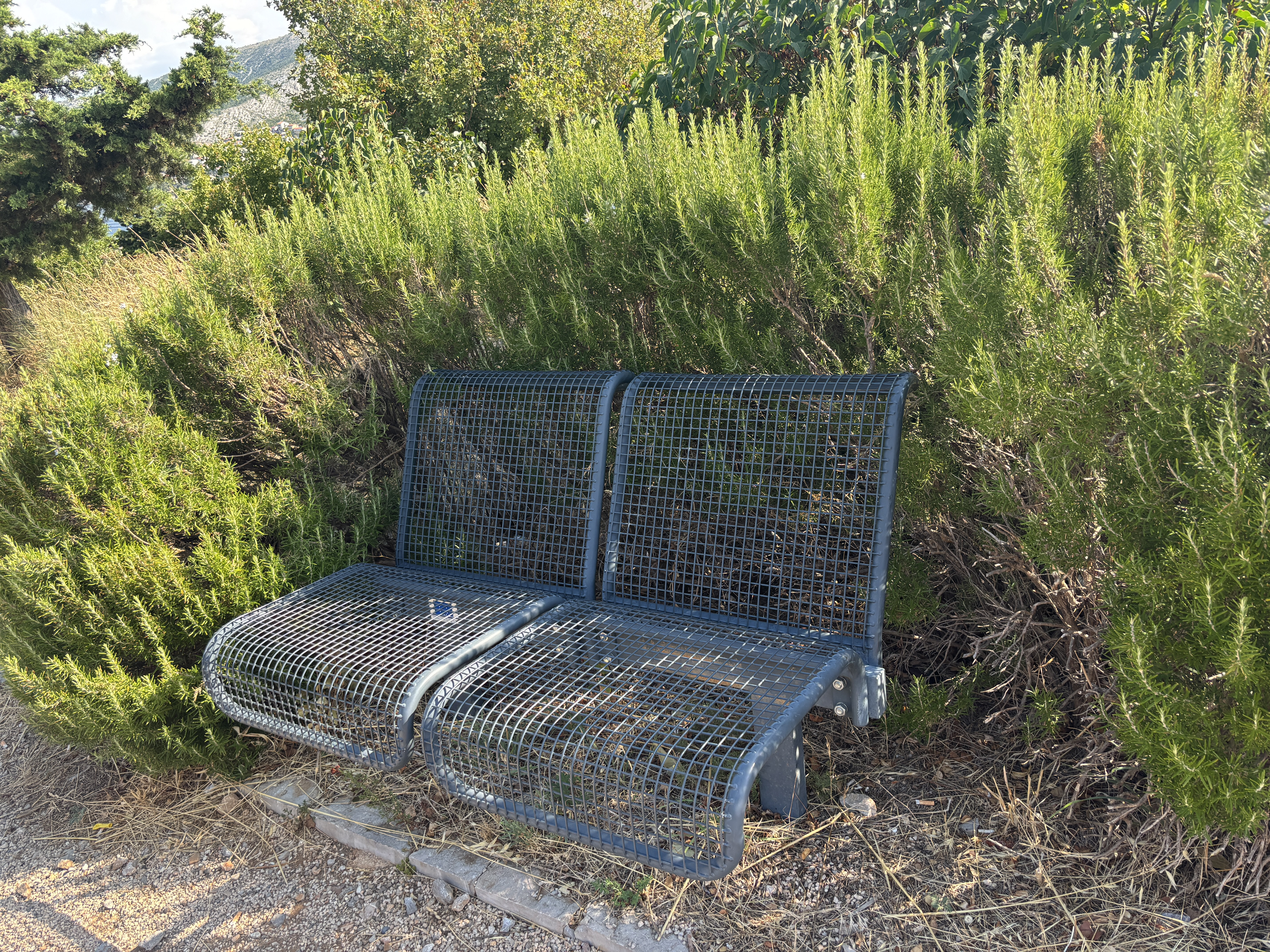
Short description of the species
Interesting
Until 2017, the name Rosmarinus officinalis L. was commonly used, which is now only a synonym for the valid name, Salvia rosmarinus Spenn., because recent evidence has confirmed that Rosmarinus L. belongs to the genus Salvia L.Usage
It is a common part of Mediterranean cuisine, where its aromatic leaves are used fresh or dried to flavor fish, sauces, meat, cheeses, and marinades, especially in French and Italian cuisine.Inclusion in the crop rotation and fertilization requirements
Rosemary overwinters as an evergreen shrub, grown in one place for 10-15 years.
Track: I. (mature MH), II.
Suitable preceding crops: legumes, cereals, mustard, flax, please, stick
Fertilization: In southern European countries, where rosemary is grown in field conditions on larger areas, the growth is fertilized annually with manure at a rate of 15-20 t/ha.
Varieties: One of the main goals of breeding is to increase frost resistance, which allows its cultivation in colder areas where it naturally cannot overwinter.
Cultivation techniques
It reproduces mainly vegetatively, by one-year cuttings.
Propagation: mainly vegetative
Cultivation techniques - from seedlings
| Month | I. | II. | III. | IV. | V. | VI. | VII. | VIII. | IX. | X. | XI. | XII. |
|---|---|---|---|---|---|---|---|---|---|---|---|---|
| Rooting seedlings | x | x | x | |||||||||
| Planting next year | x | x | ||||||||||
| Harvest | xxx | xxx | xxx | x |
Harvest - at the beginning of flowering, which usually occurs in late spring to early summer. In Mediterranean countries, rosemary can be harvested for culinary purposes 1-3 times a year.
Uses: it is a common part of Mediterranean cuisine, where its aromatic leaves are used fresh or dried to flavor fish, sauces, meat, cheeses and marinades, especially in French and Italian cuisine
Effect on human health
Constituents: essential oils, polyphenols (rosmarinic acid), flavone glycosides, bitters, sterols
Phytotherapeutic groups: antiphlogistic, antibiotic, neuroprotective
Diseases and pests
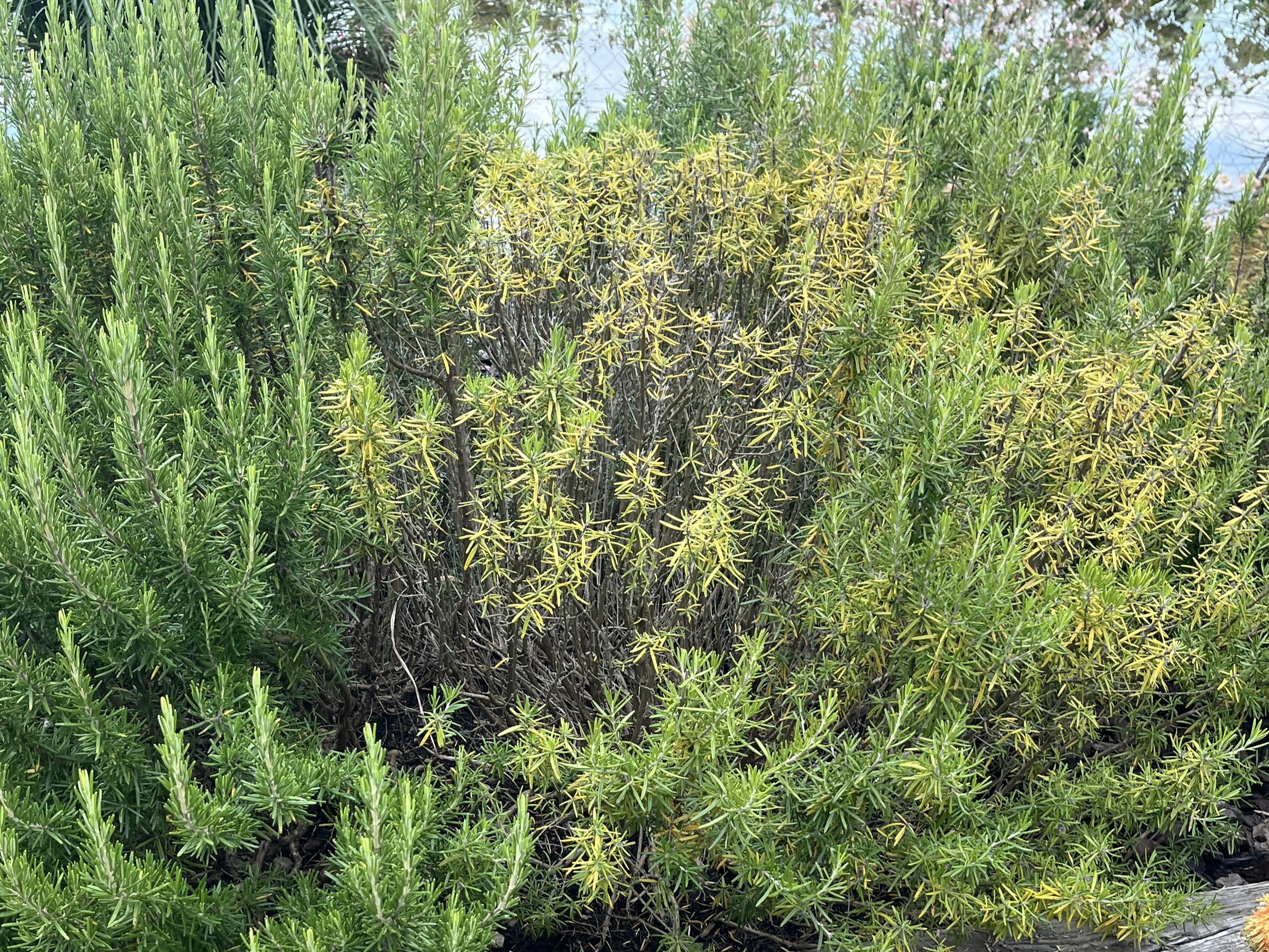
it is generally a resistant plant, but it can suffer from root rot, especially in heavy, poorly drained soils with excessive moisture - it is most often caused by the fungus Phytophthora spp., which leads to yellowing of the leaves and the death of the plant. Other pests and diseases include powdery mildew, aphids, whiteflies, and mites, but they are rarely found outdoors.
Labeling Plants with QR Codes
At the Faculty of Horticulture and Landscape Engineering at SPU in Nitra, we've created a project that offers visitors to our plantings a new way to discover the beauty and intriguing aspects of plants. Each plant in our plantings has its own unique QR code. All a visitor needs to do is scan this code with their smartphone.
Encyclopedy
Informácie
Kontakt
Fakulta záhradníctva a krajinného inžinierstva
Tulipánová 7, 949 76 Nitra
phone +421 (37) 641 4229 — study department
email henrieta.budayová@uniag.sk



Copyright © 2026 Faculty of Horticulture and Landscape Engineering