

 Slovenská verzia
- home
- Fruits - general part
- Berry fruit
- Raspberry
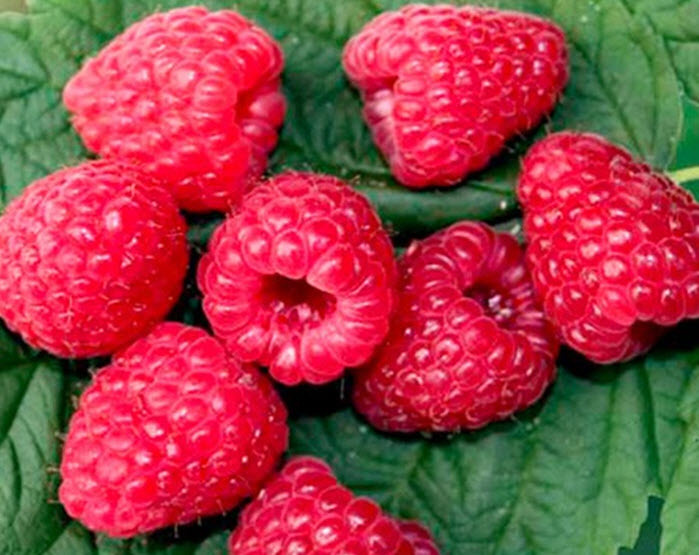
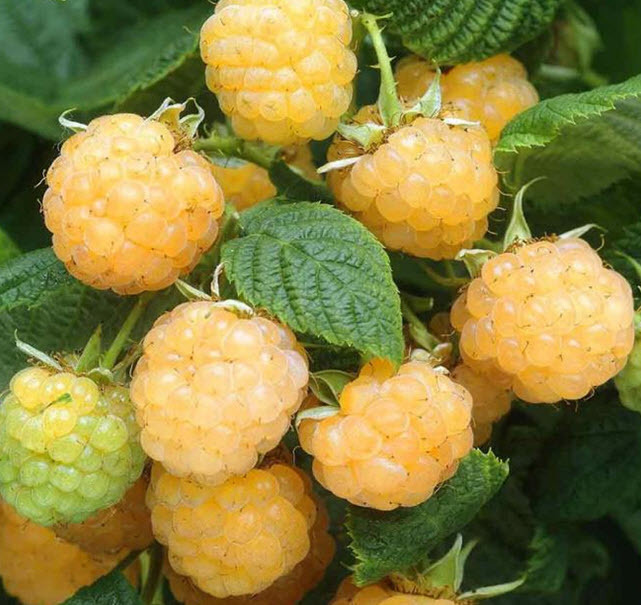
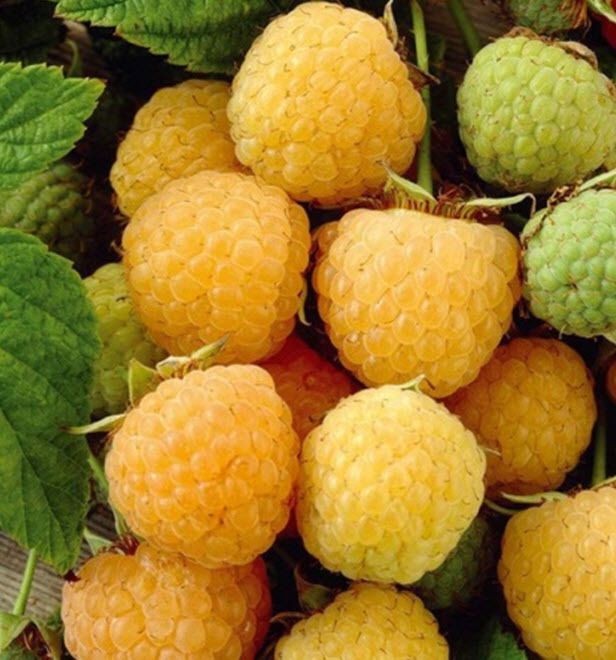
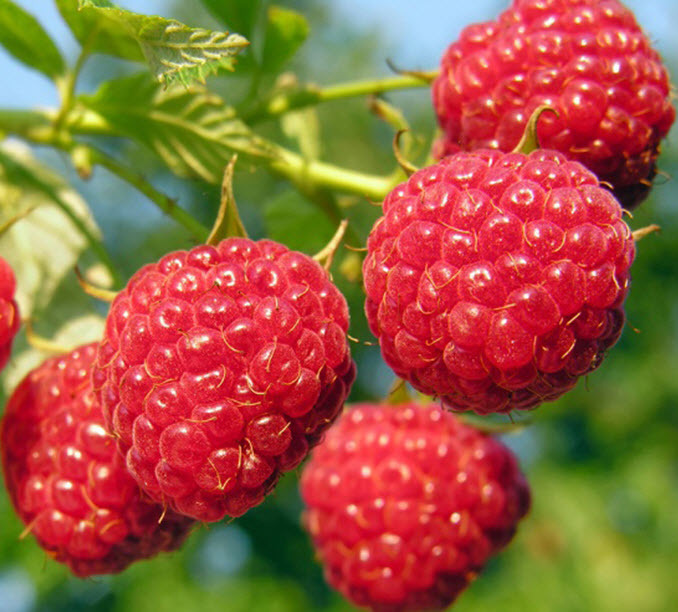
Raspberry
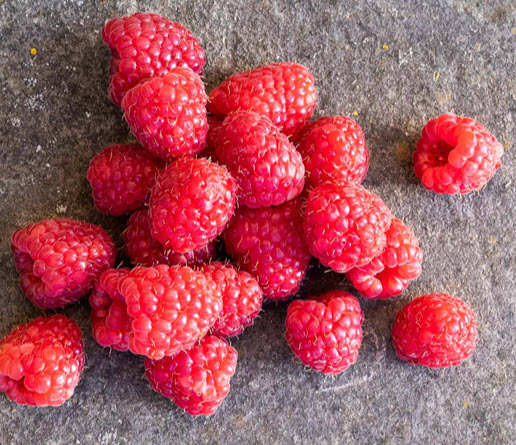
Short description of the species
Interesting
They belong to the Top 10 among fruits and vegetables in relation to antioxidant content.Usage
direct consumption, processing into nectar and juices, canning, distillatesSuitable growing locations
They are especially demanding on the humus content in the soil. Medium-heavy soils with a pH of 6.5-7.5 suit them. This fruit species can also be grown in colder and higher altitude areas.
Growing forms
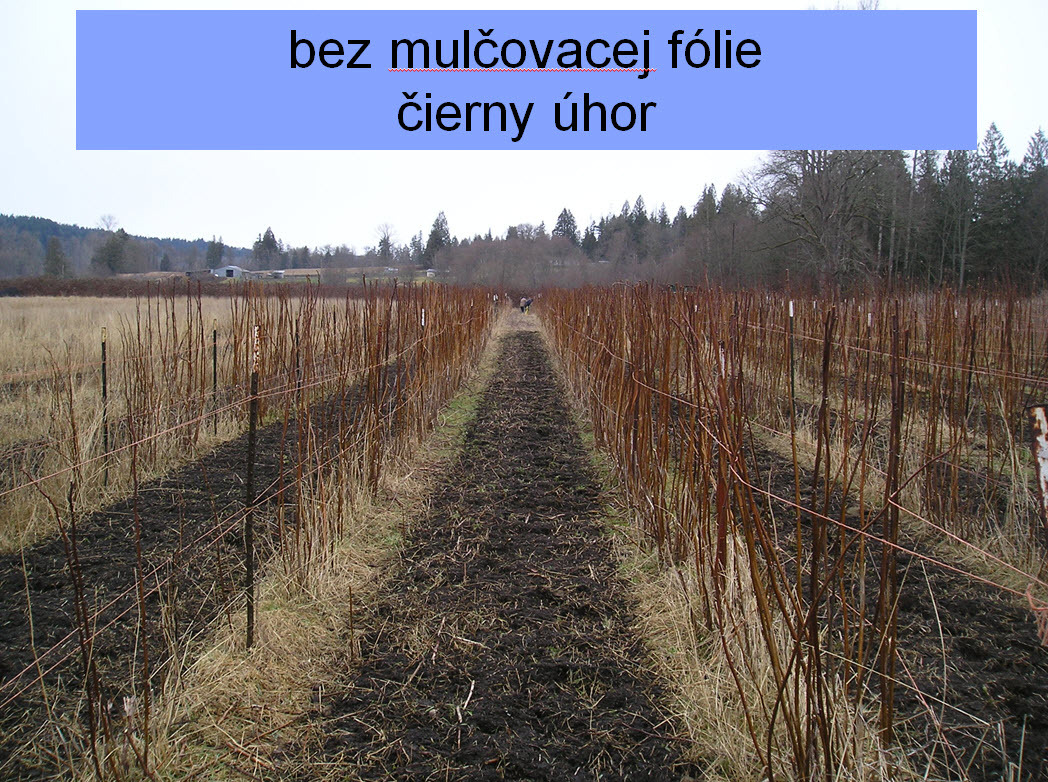
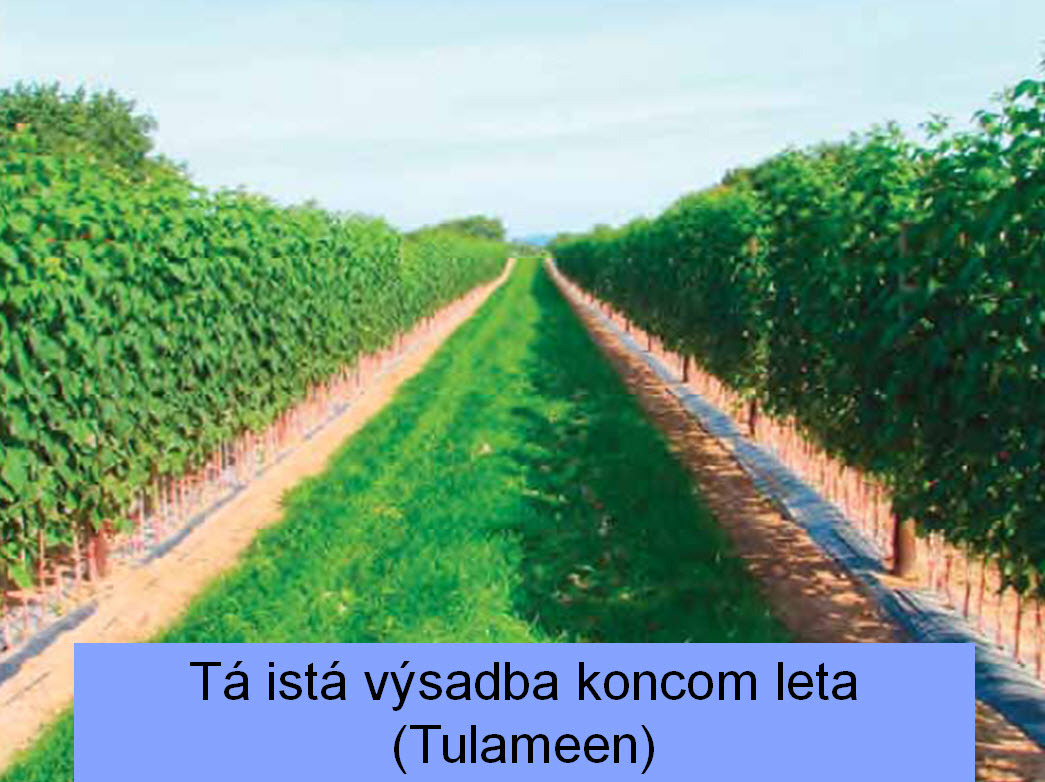
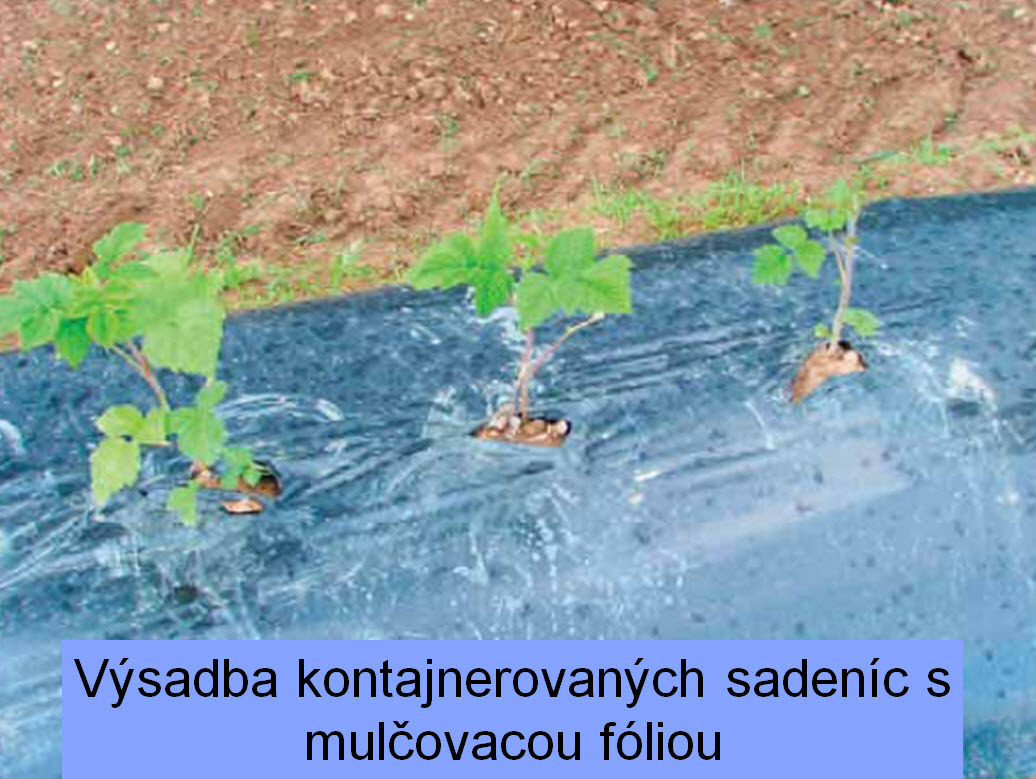
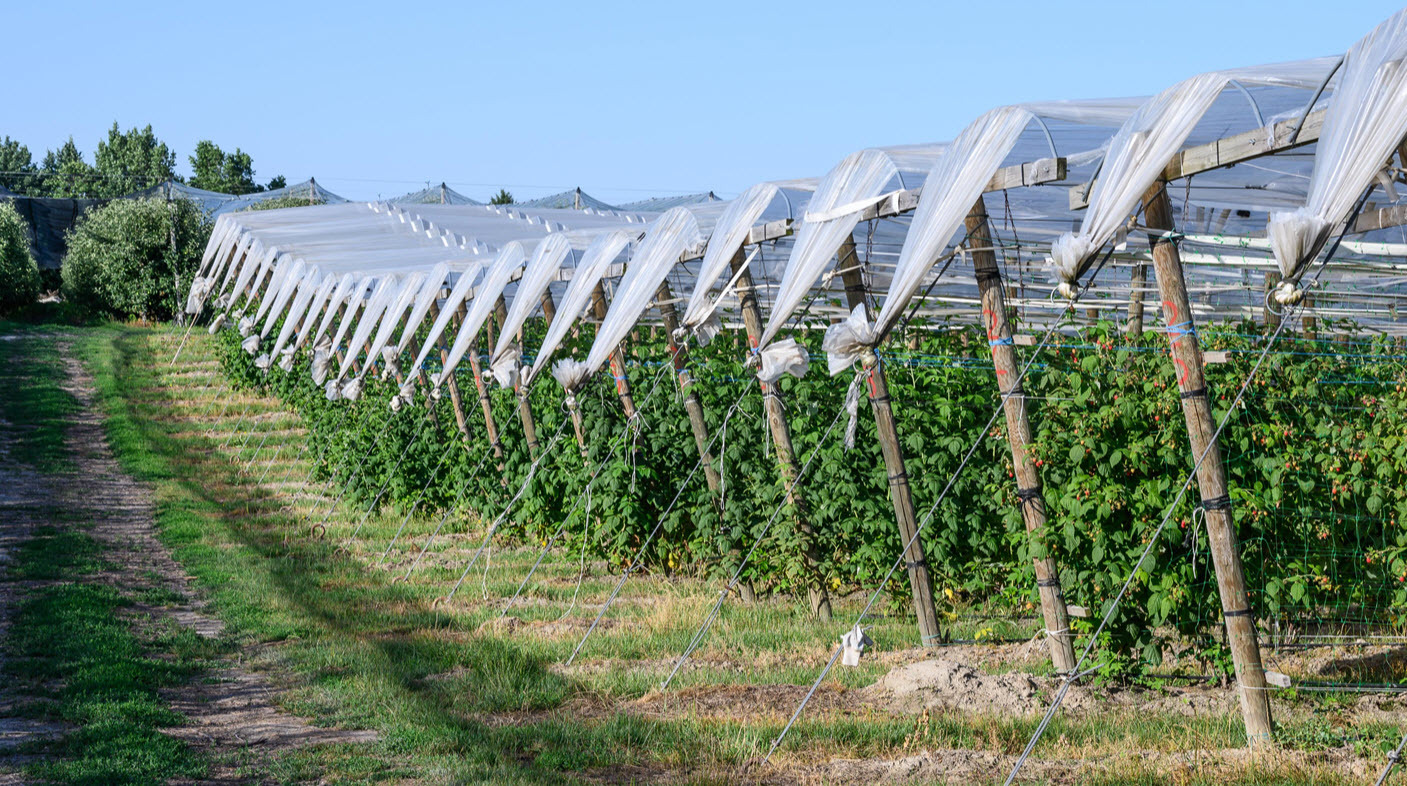
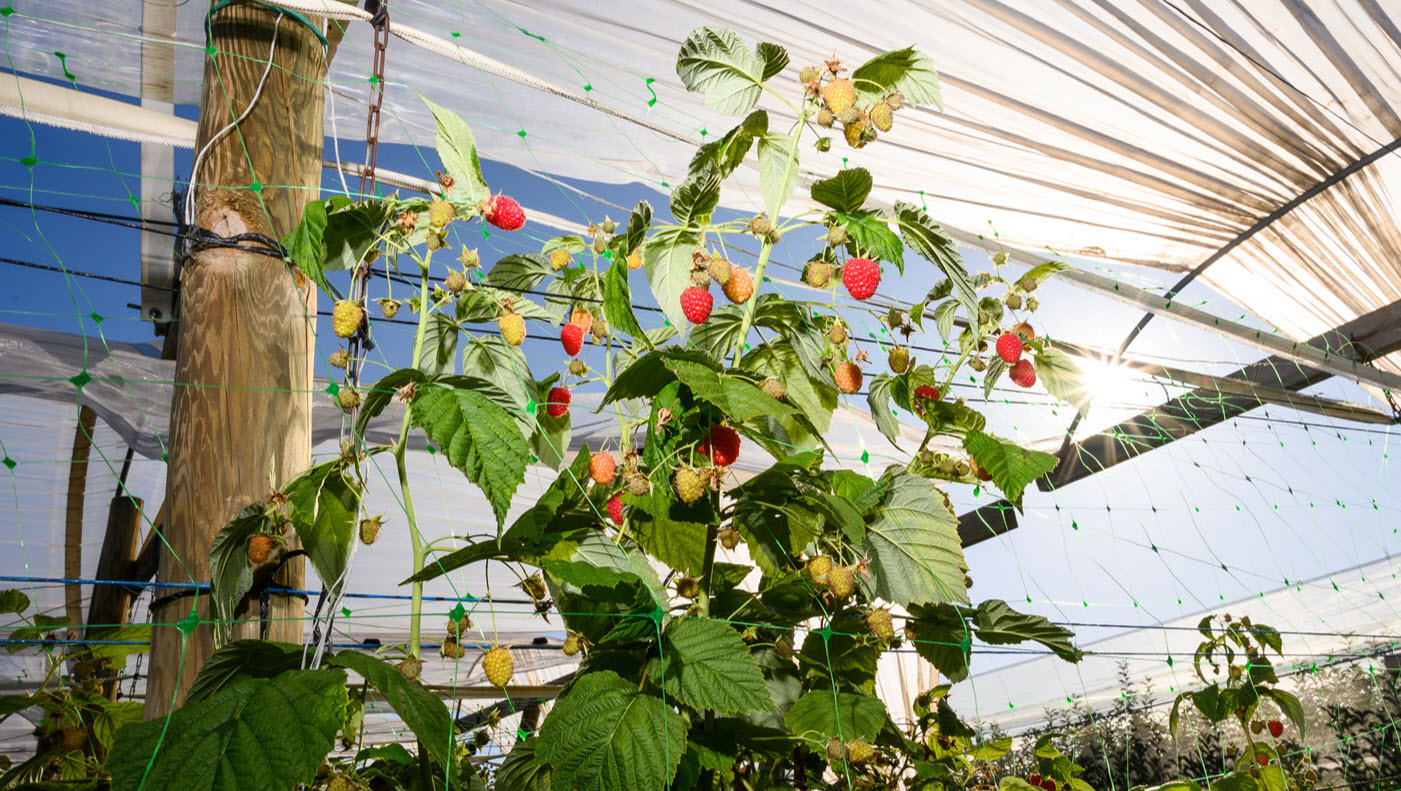
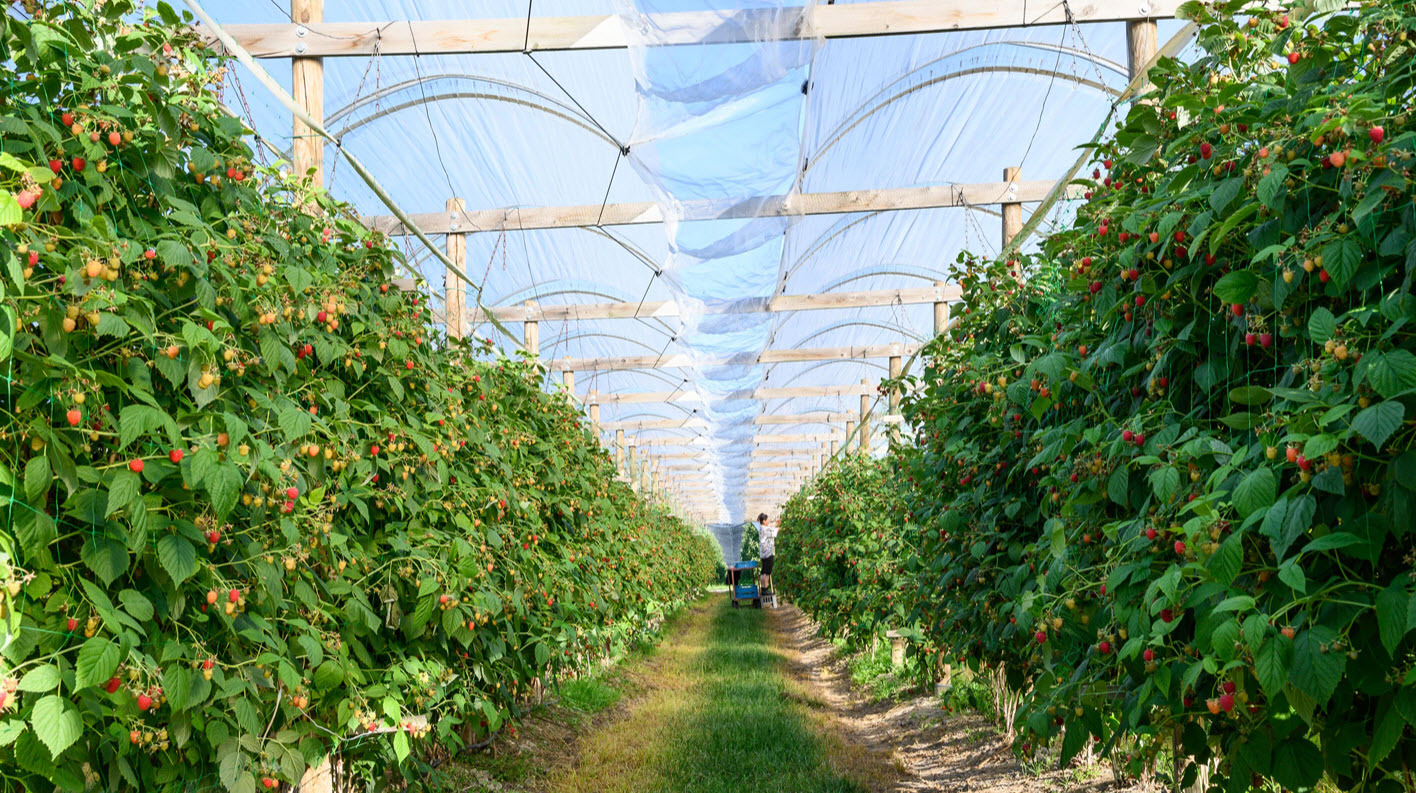
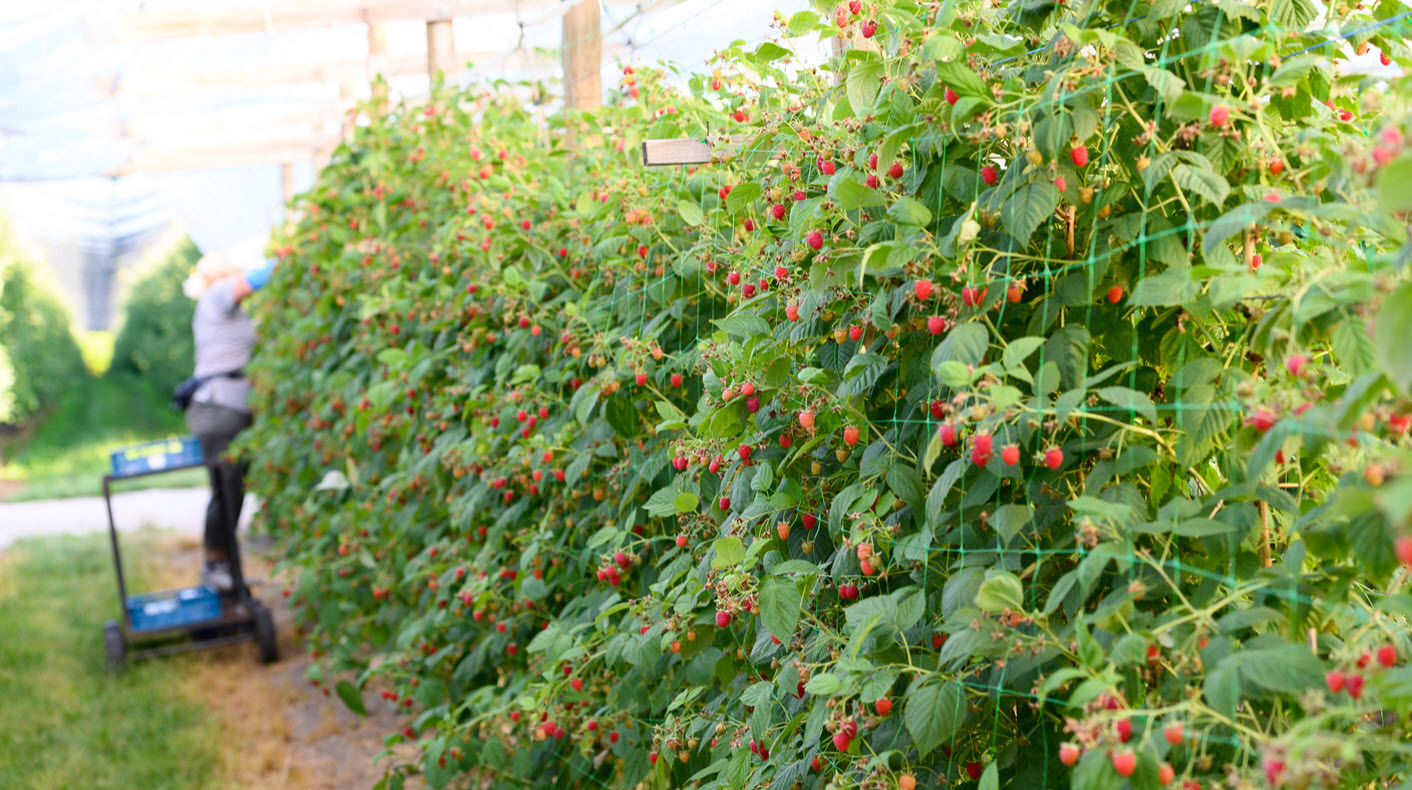
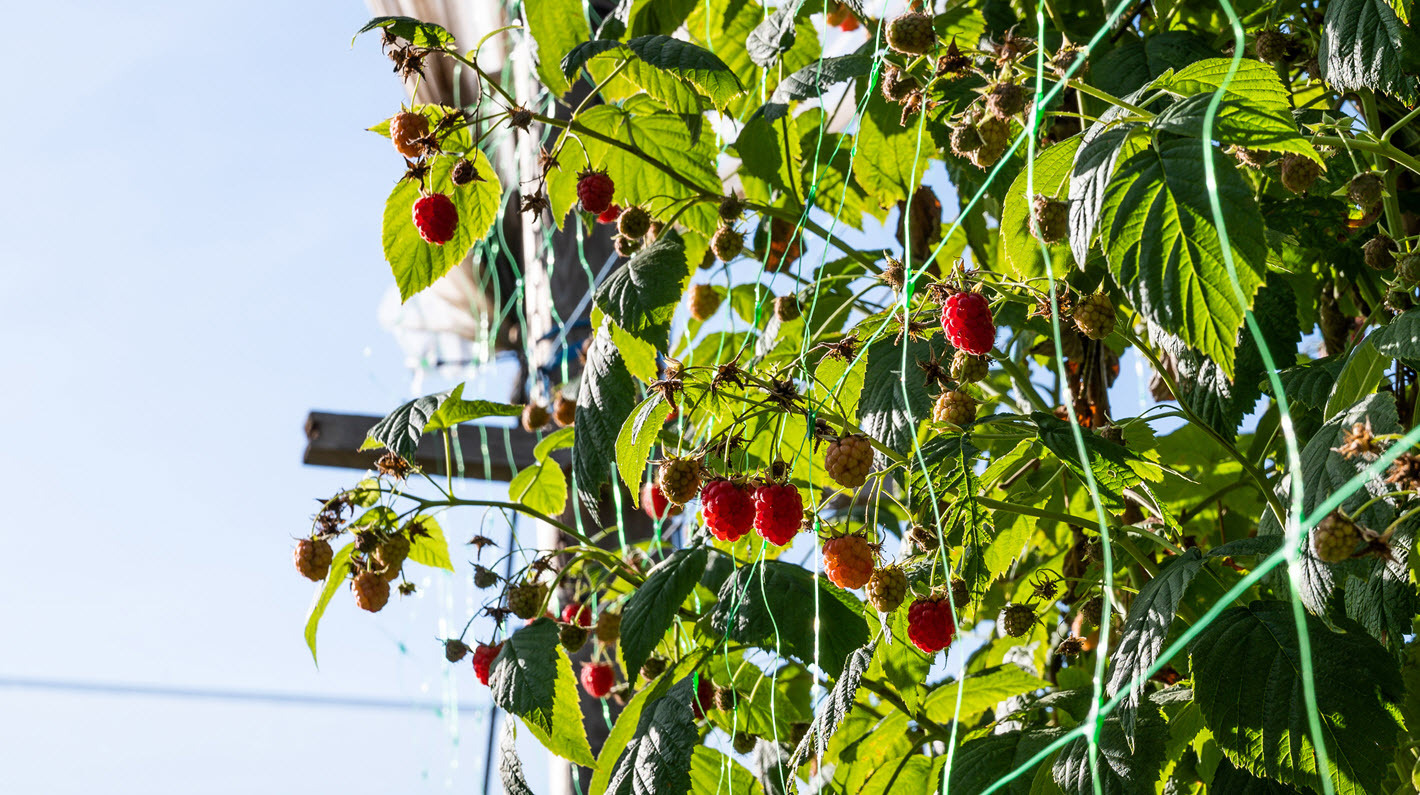
They can be grown in open ground or in containers, in semi-covered or covered areas. Raspberries can be grown using several systems. Belt system for growing single-bearing raspberries with a support. With this system, we leave 8-10 strong shoots per regular meter, which are tied to the support in the form of wire on the line. We will remove the other shoots. The fruits are produced on two-year-old wood, which we remove after harvesting and replace with one-year-old shoots, which we tie again. The wire should have a height of 1.2 to 1.6 m with one or two double wires at a height of 1.2 or 1.6 m and with wires in twin wires 0.3 m apart. It is possible to use a =V= type wire, which enables better distribution of the shoots and their lighting. An elegant solution for growing remotant varieties is the assembly of a simple structure in the shape of an arbitrarily long table without a top plate, instead of which a mesh with larger meshes (10x10cm) is attached. Individual raspberry shoots grow into this mesh and do not lie down, the growth is airy and precisely delimits the extent to which raspberries "can" grow. This system is suitable primarily for remontant varieties. The cut consists in cutting the growth just above the ground after harvesting the fruits in autumn. The advantage of remontant varieties is that they bear fruit already on one-year shoots.
Suitable varieties
Among the varieties that deserve attention from a commercial point of view are the single-bearing upright growing large-fruited varieties Tulameen and Schonemann, or Meeker. The varieties Granát, Bojana and Afrodita belong to this group from Slovak breeding. Autumn Bliss and Primeberry Sugana are from the renovating varieties, and Ada and Medea are the Slovak varieties.
Diseases and pests
diseases: gray mold, viruses
pests: aphids, blackberry weevil
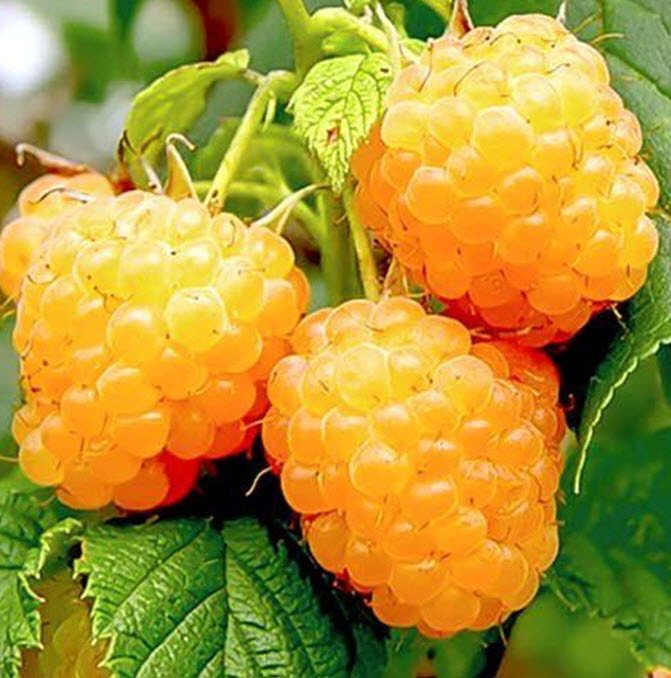
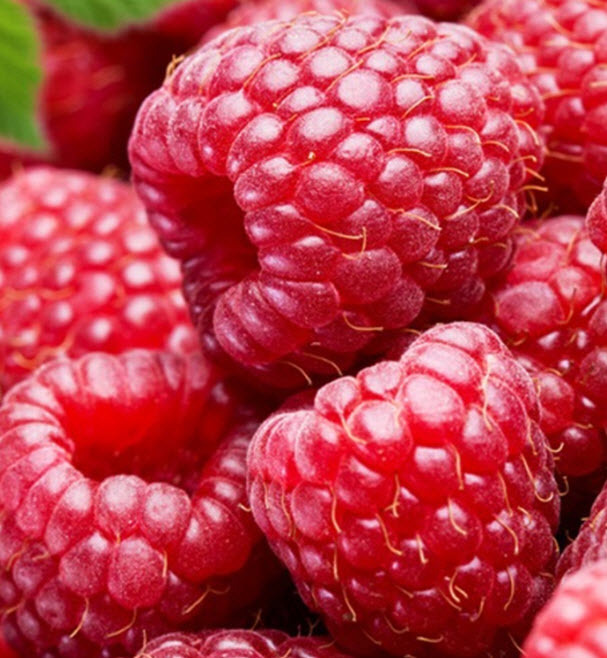
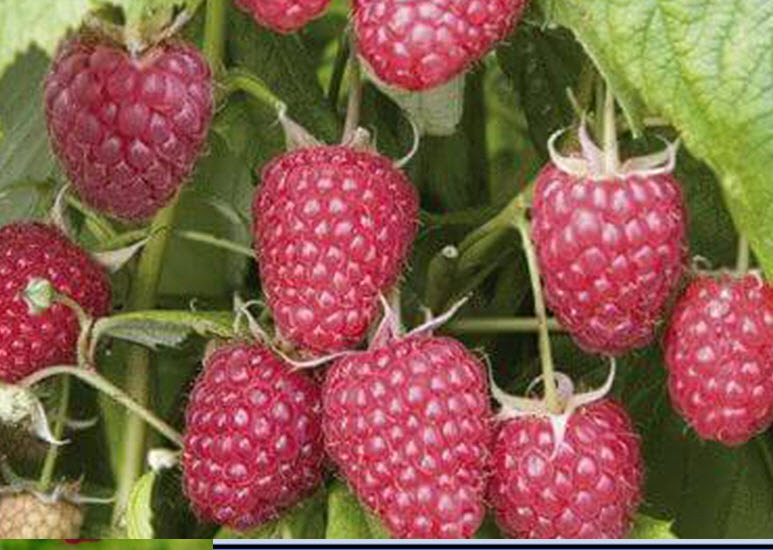
Labeling Plants with QR Codes
At the Faculty of Horticulture and Landscape Engineering at SPU in Nitra, we've created a project that offers visitors to our plantings a new way to discover the beauty and intriguing aspects of plants. Each plant in our plantings has its own unique QR code. All a visitor needs to do is scan this code with their smartphone.
Encyclopedy
Informácie
Kontakt
Fakulta záhradníctva a krajinného inžinierstva
Tulipánová 7, 949 76 Nitra
phone +421 (37) 641 4229 — study department
email henrieta.budayová@uniag.sk



Copyright © 2026 Faculty of Horticulture and Landscape Engineering