

 Slovenská verzia
Parsley
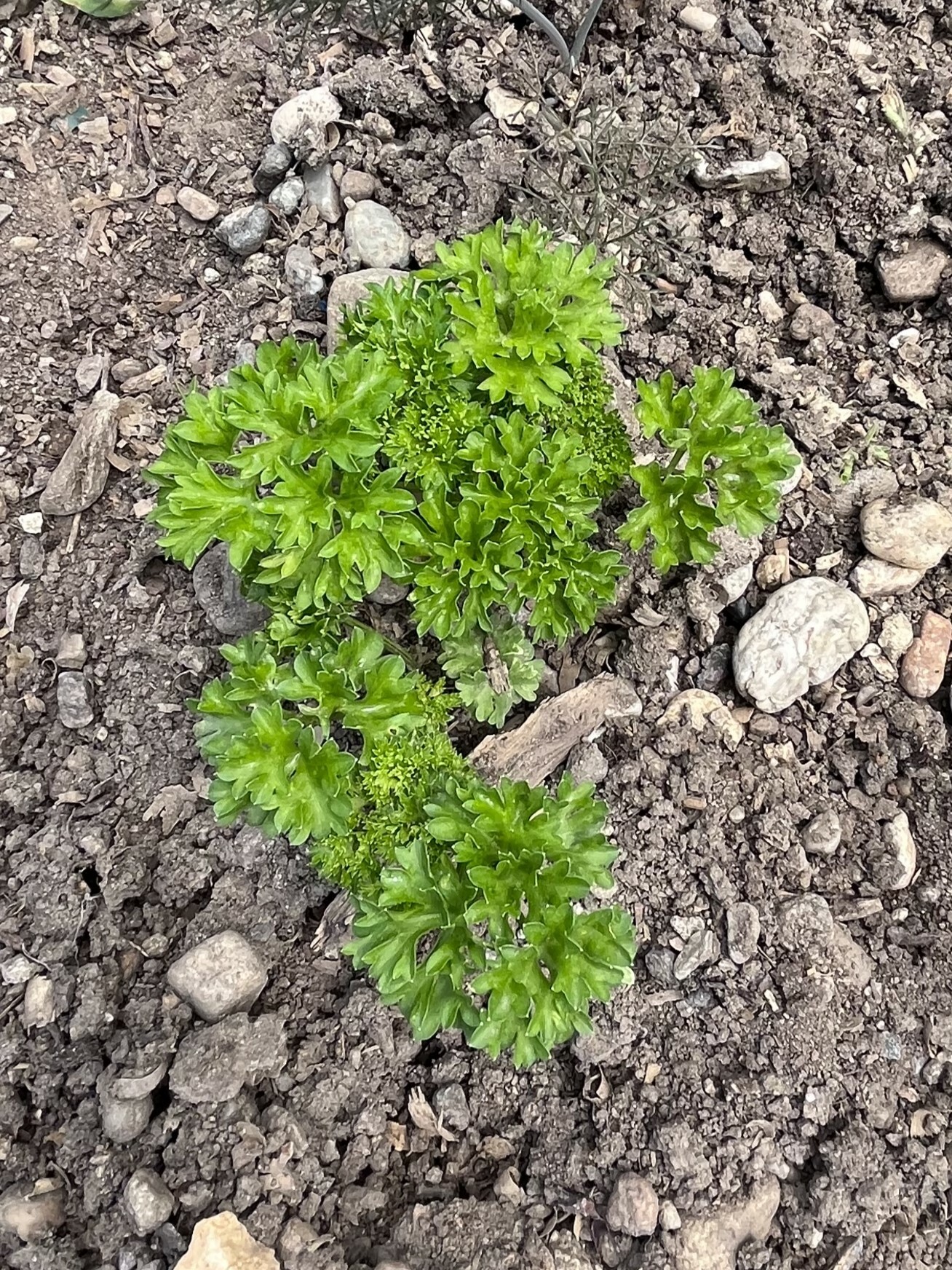
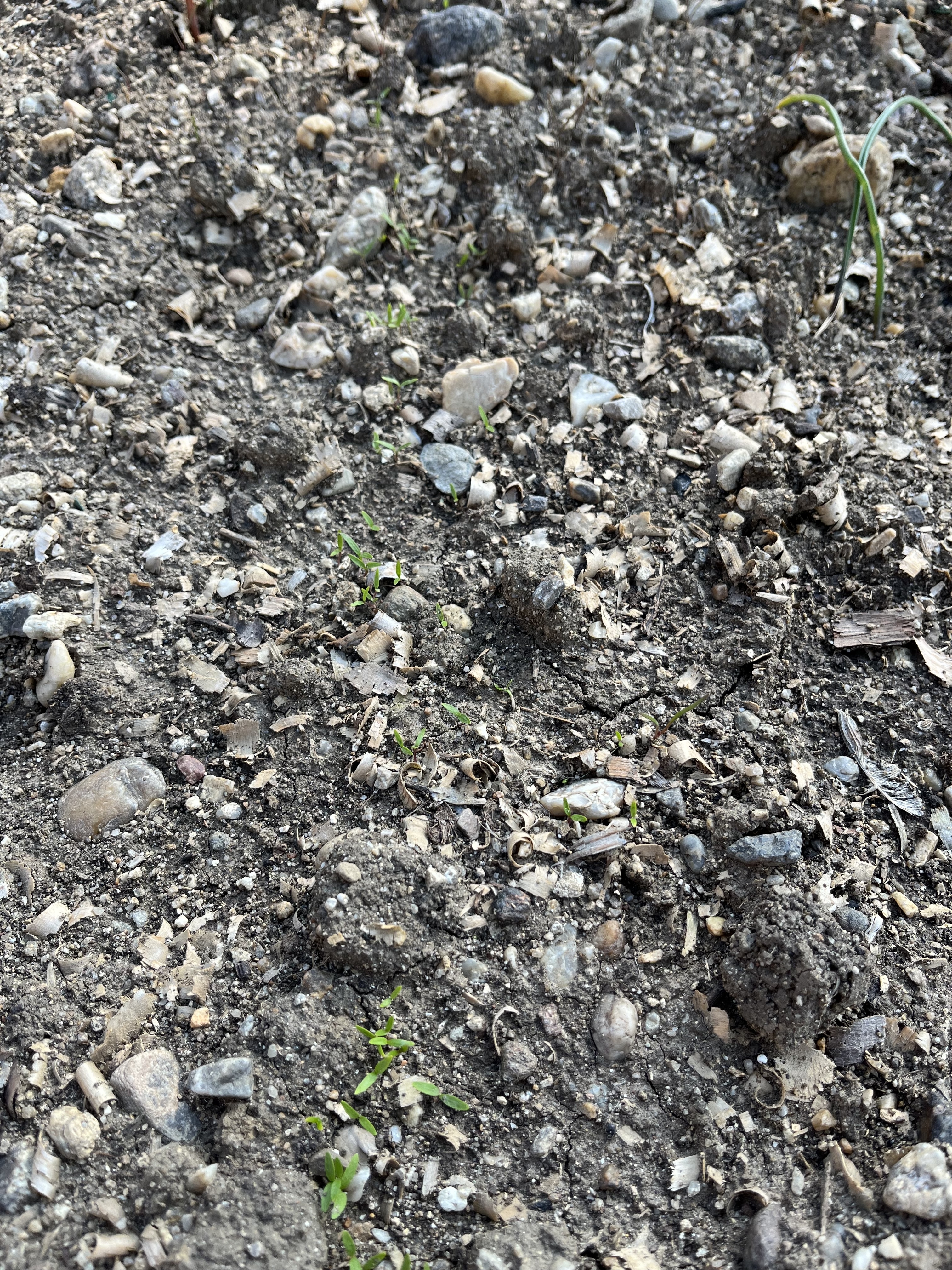
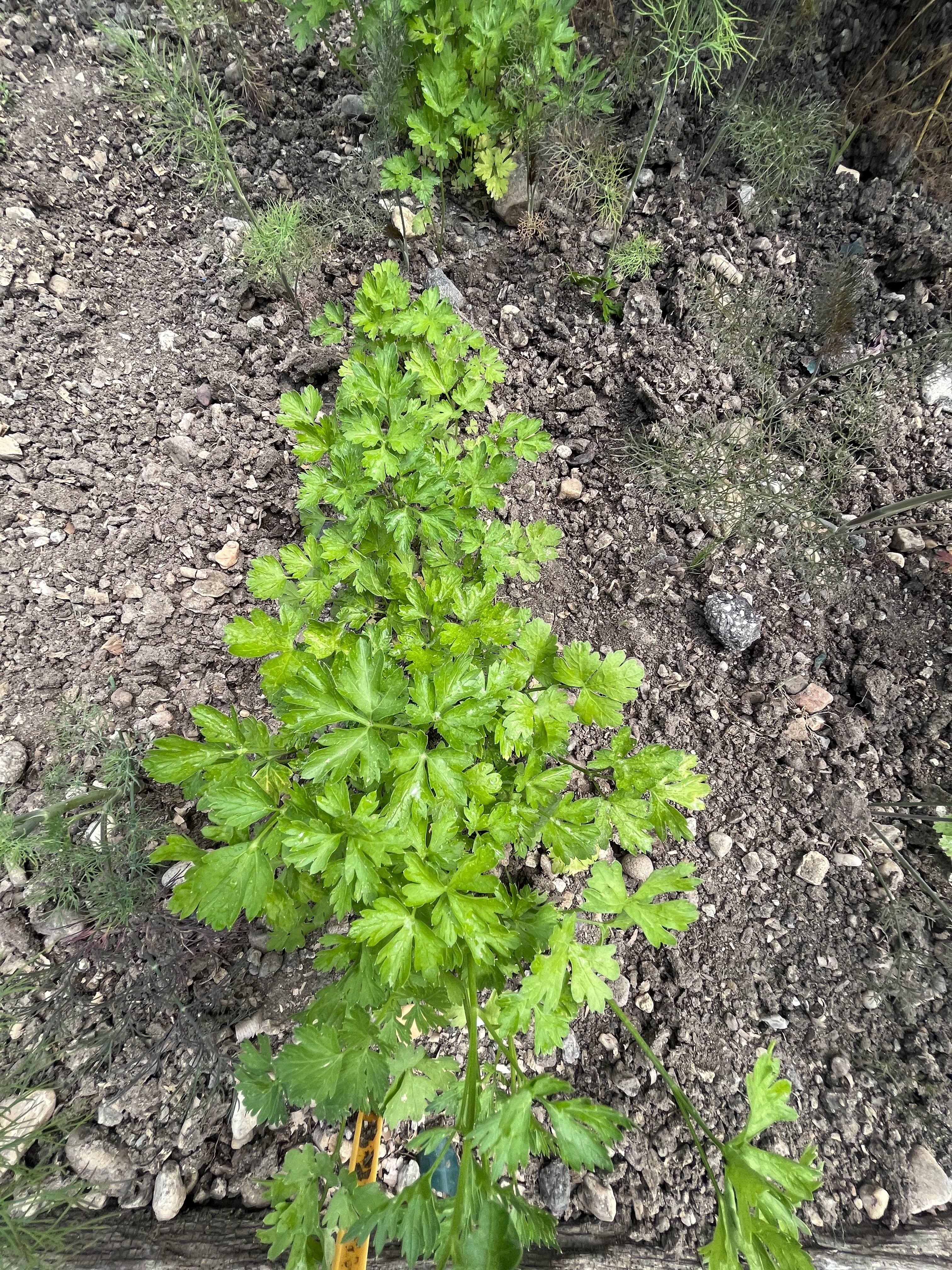
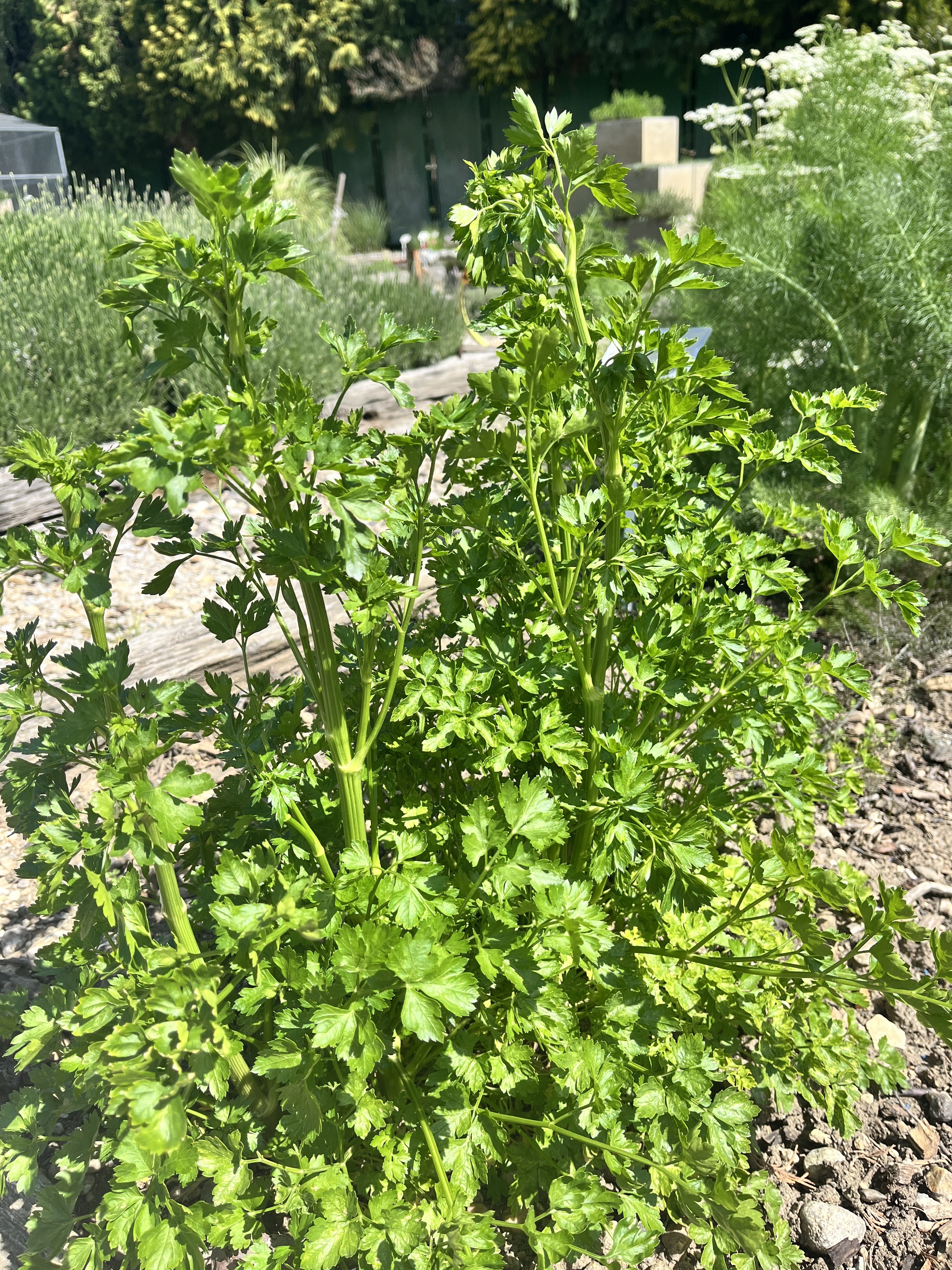
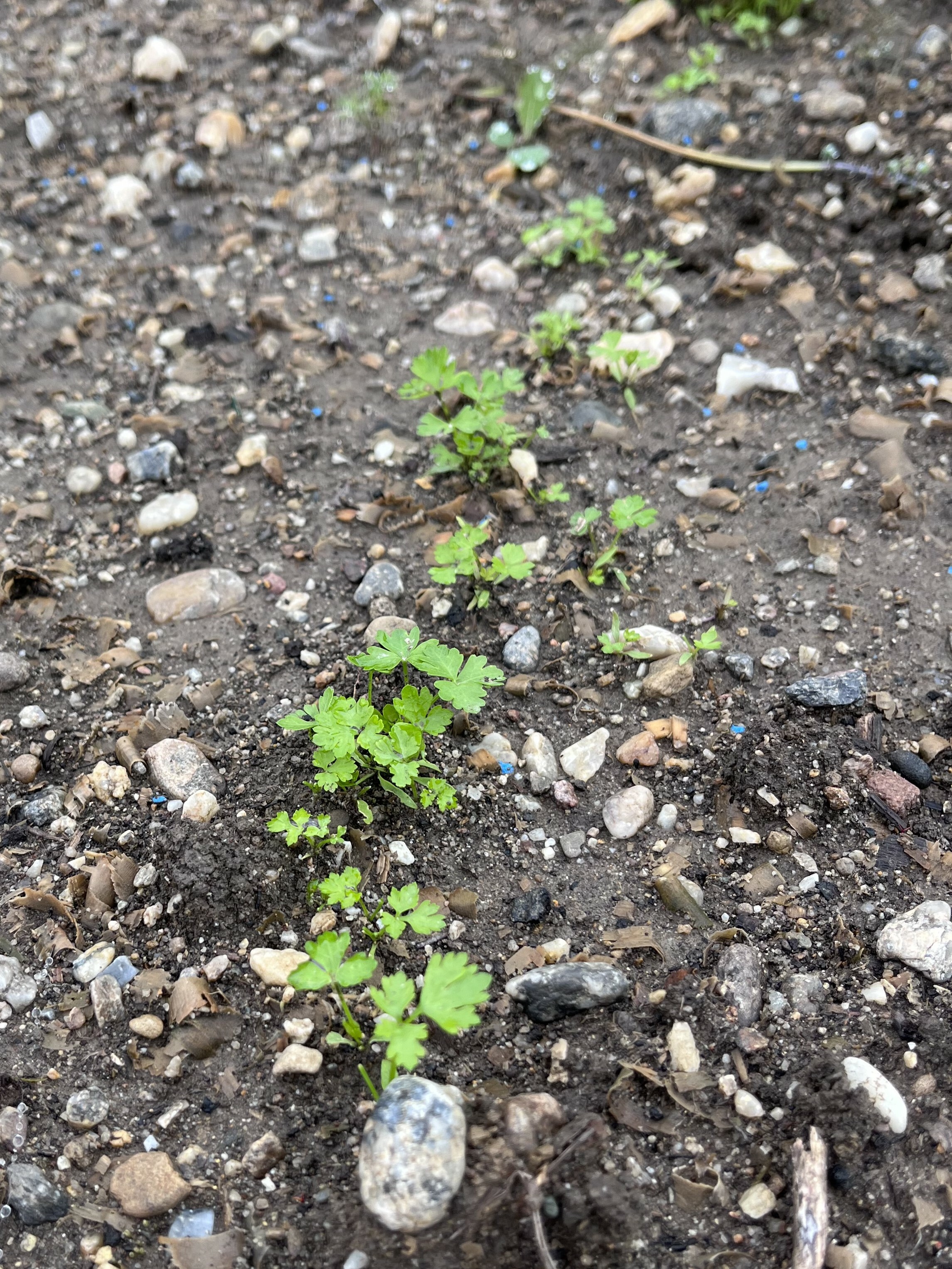
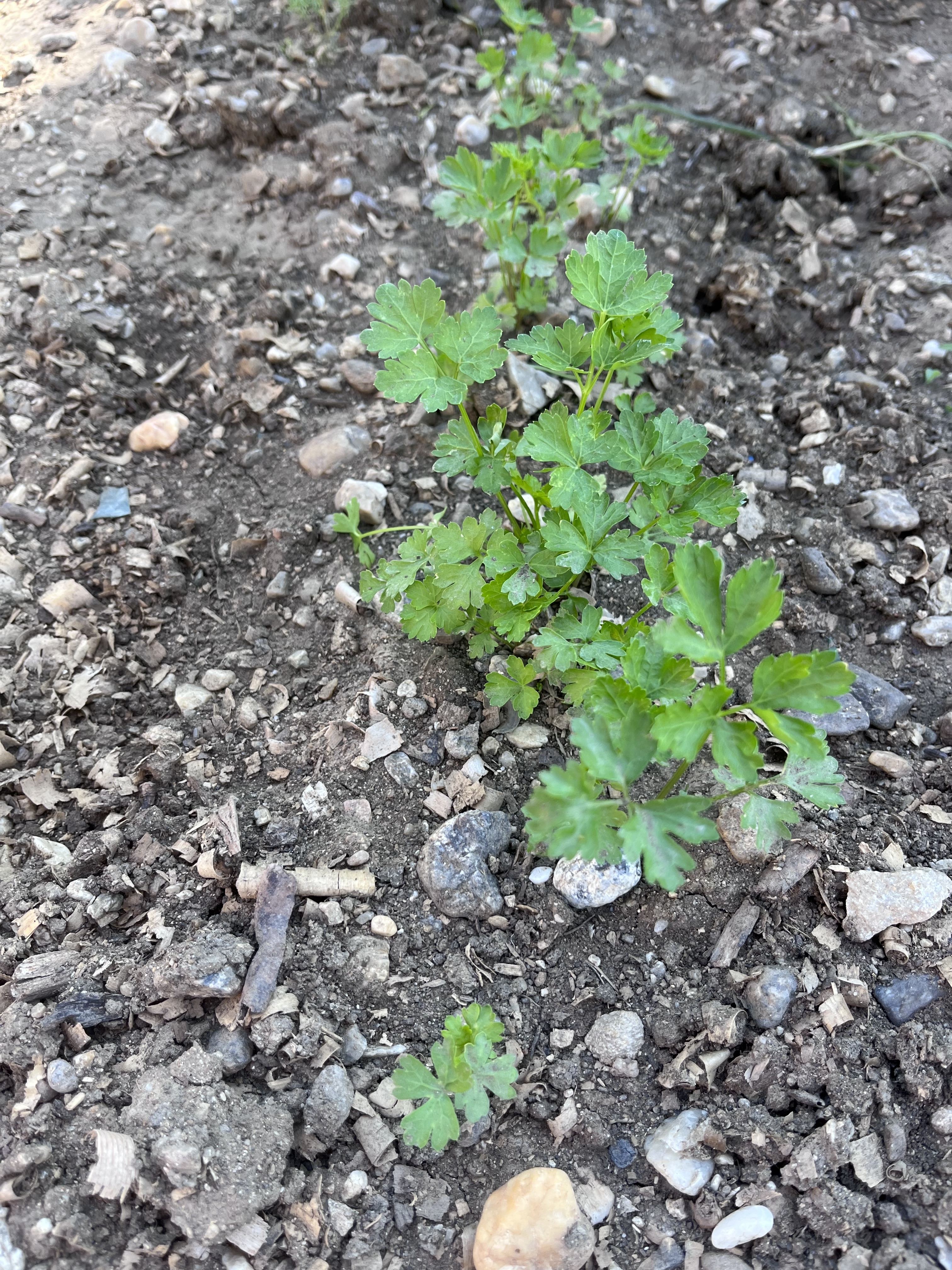
Short description of the species
Interesting
The high content of vitamin C is particularly remarkable in fresh leaves, on average around 160 mg/100 .Usage
It is mainly used fresh as a food additive, and dried as part of spice mixes. It is added to soups and various sauces. It is also widely used in the canning industry as an ingredient in dried soups, frozen vegetable semi-finished products and various vegetable-based ingredients.Inclusion in the sowing process and fertilization requirements
Track: II., III.
Suitable pre-crops: root vegetables, fruit vegetables and roots
Fertilization: it does not tolerate direct fertilization with farmyard manure, because it causes branching of the roots and the transfer of pests, therefore we include it in the second to third line of cultivation
Varieties: There are smooth-leaved (f. vulgare), curly-leaved (f. crispum), fine-leaved (f. tenuisectum) and variegated (f. variegatum) forms.
Agricultural cultivation techniques:
Propagation: In field conditions, it is grown mainly from direct sowing into open ground in early spring (late March to early April) or mid-July. It is a typical representative suitable for the use of pre-germinated seeds, which significantly contributes to the efficiency and profitability of cultivation.
Cultivation agro-technique - bed method (directly into the soil)
| Month | I. | II. | III. | IV. | V. | VI. | VII. | VIII. | IX. | X. | XI. | XII. |
|---|---|---|---|---|---|---|---|---|---|---|---|---|
| Sowing | XX | XX | ||||||||||
| Harvest | XX | XXX | XXX | XXX |
Harvest: It is harvested throughout the year. The first harvest is approximately 60-80 days (from direct sowing) or 40-60 days (from planting). After each harvest, a bunch of parsley grows again in 4-5 weeks.
Valuable nutritions: essential oil, flavonoids, vitamins and minerals (vit. K, C, A, Fe, Ca), chlorophyll
Phytotherapeutic groups: carminative, antiphlogistic, diuretic
Diseases and pests: Economically important diseases are septoria mold (Septoria petroselini), downy mildew (Plasmopara petroselini), powdery mildew (Erysiphe heraclei) and alternaria leaf mold (Alternaria radicina) (Marthe, 2020). Pests can include aphids, mites and thrips.
Labeling Plants with QR Codes
At the Faculty of Horticulture and Landscape Engineering at SPU in Nitra, we've created a project that offers visitors to our plantings a new way to discover the beauty and intriguing aspects of plants. Each plant in our plantings has its own unique QR code. All a visitor needs to do is scan this code with their smartphone.
Encyclopedy
Informácie
Kontakt
Fakulta záhradníctva a krajinného inžinierstva
Tulipánová 7, 949 76 Nitra
phone +421 (37) 641 4229 — study department
email henrieta.budayová@uniag.sk



Copyright © 2026 Faculty of Horticulture and Landscape Engineering