

 Slovenská verzia
- home
- Fruits - general part
- Miscellaneous fruit
- Mulberry
Mulberry
Mulberries are perennial, deciduous small to medium-sized trees with alternate, broad but lobed leaves.
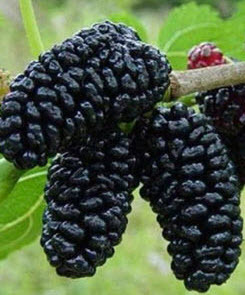
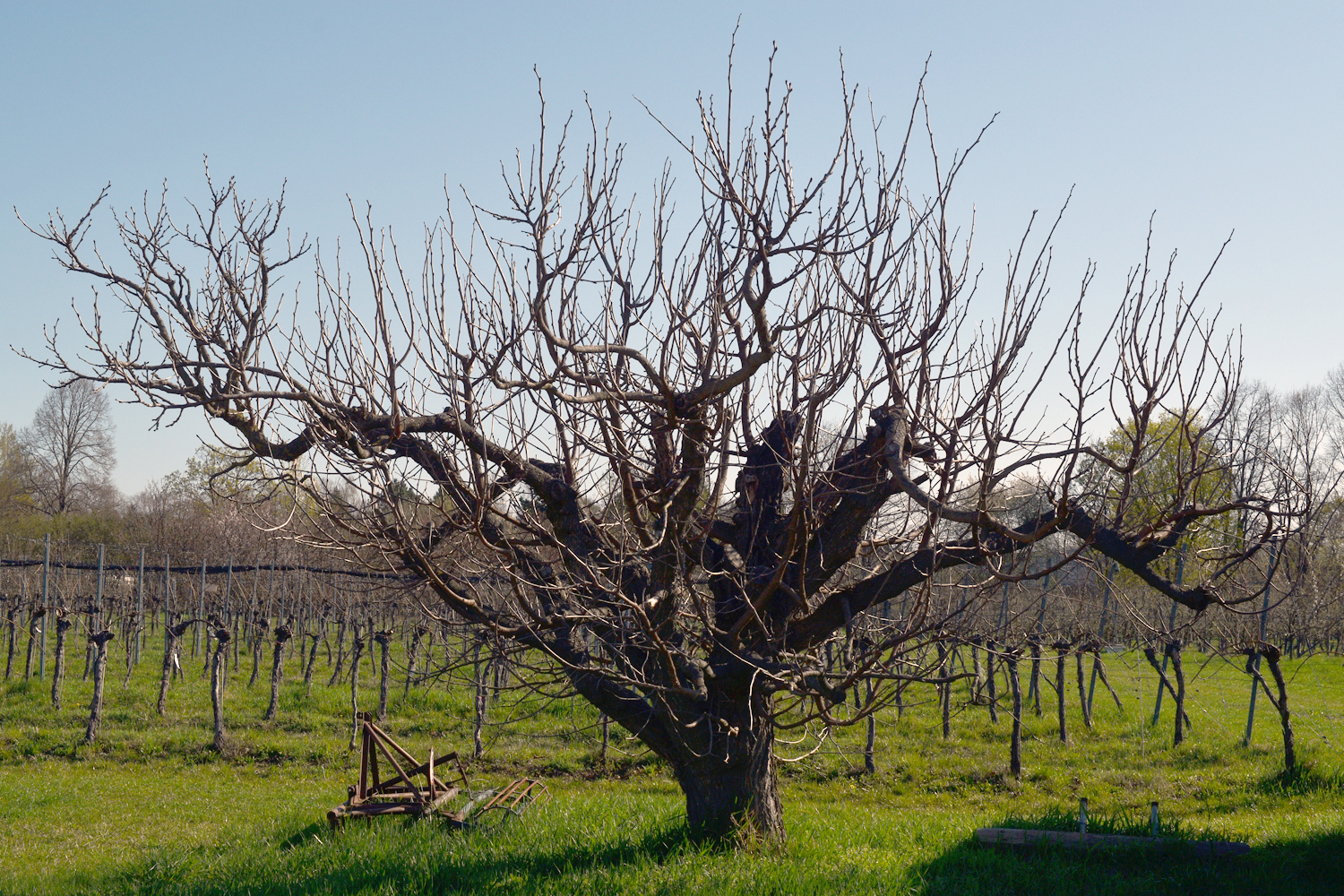
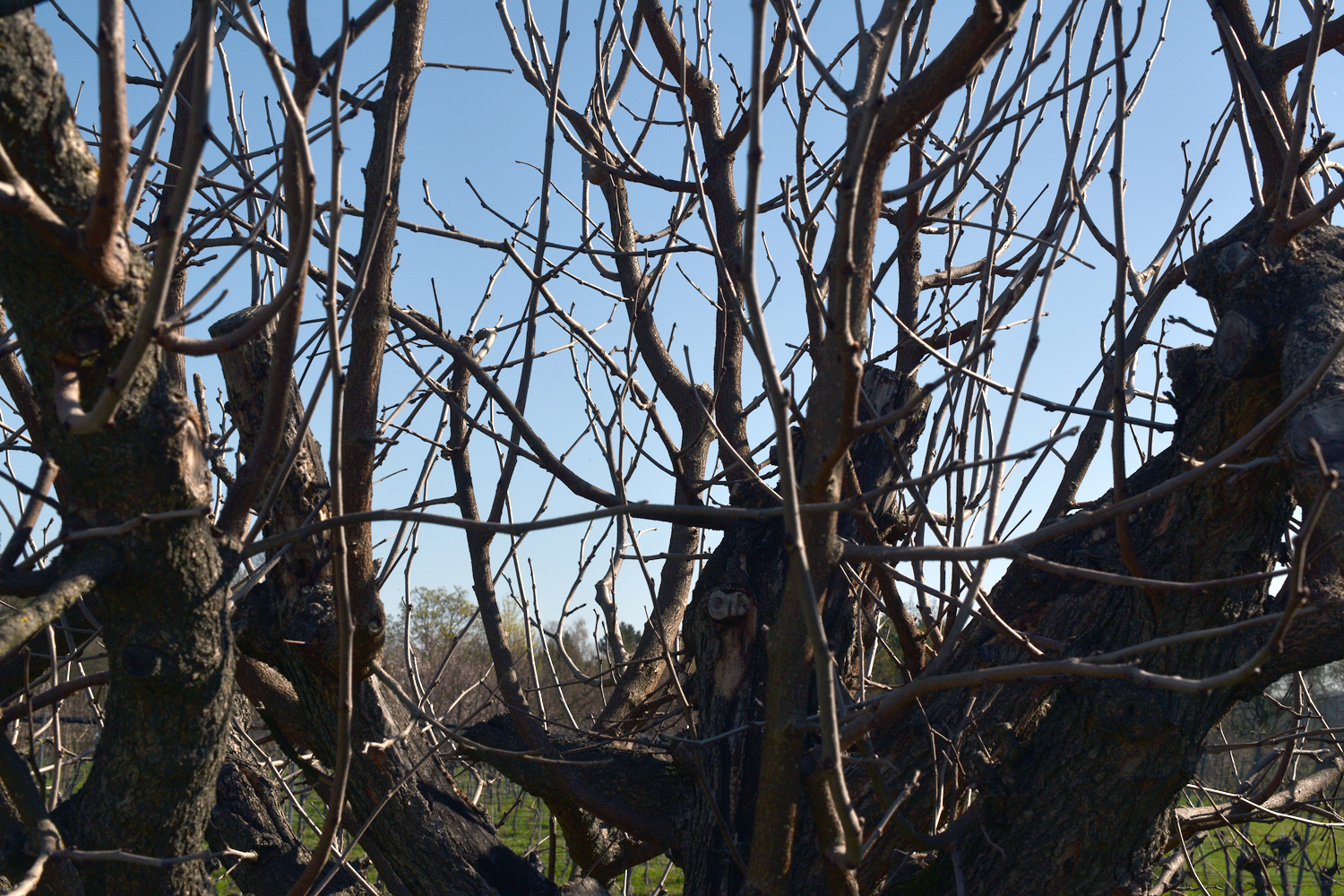
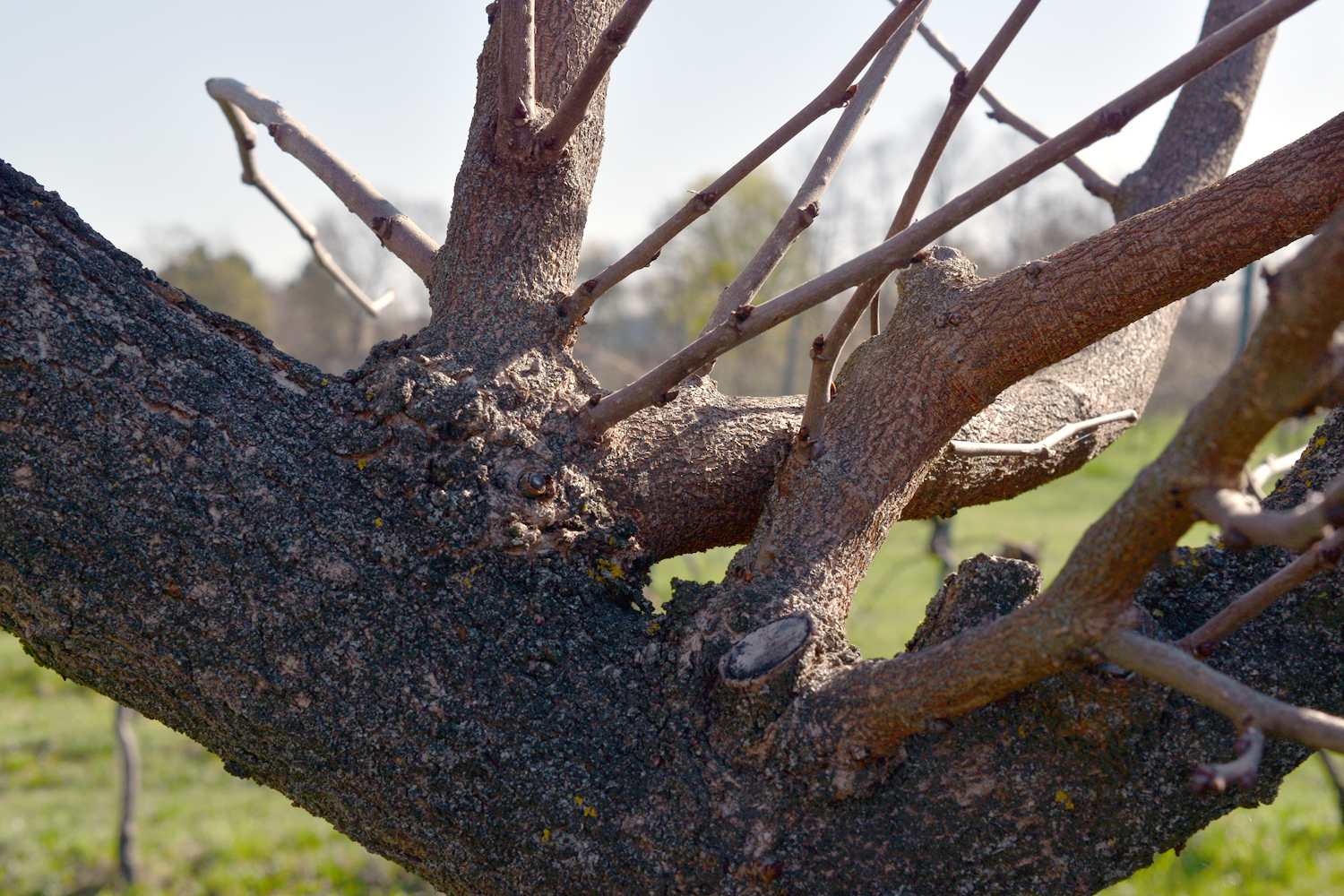
Short description of the species
Interesting
The country with the largest mulberry area is China with approximately 626,000 ha, followed by India with almost 280,000 ha.Usage
Globally, the most important use of mulberry is in the production of silkworms, which feed exclusively on its leaves. Throughout Asia, but especially in Central Asia and the Middle East, mulberry is highly prized for its delicious fruit, which is eaten fresh or in the form of juice or preserves. . Especially in the Indian subcontinent, mulberry wood is used for handicrafts, carpentry and sports woods (eg grass hockey sticks and tennis rackets). Its thin branches are woven into baskets. In Asia, southern Europe and the southern United States, mulberry trees are used for landscaping, or fast-growing tree for landscaping.Suitable growing locations
Mulberry can be grown up to 800 m.a.s.l. For optimal mulberry growth, the air temperature should be between 13 and 35°C. The ideal temperature should be between 24 to 28°C with a relative humidity of 65 to 80 percent and a length of sunshine of 5 to 12 hours per day. Mulberry can be grown in areas with rainfall from 600 mm to 2500 mm. With low rainfall, growth is limited and requires additional irrigation. An average of 50 mm once every 10 days is considered ideal for mulberry trees.
Growing technology
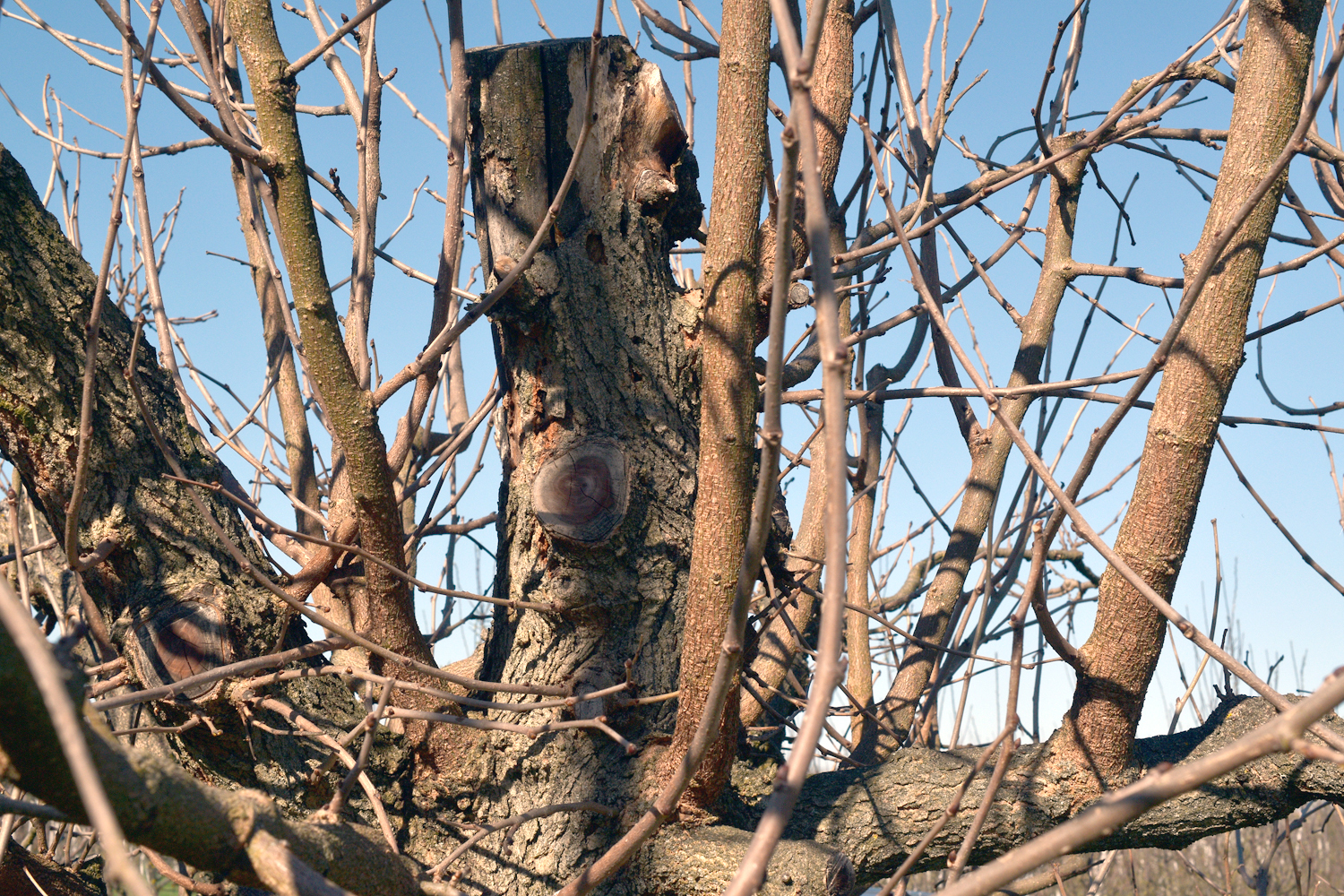
Mulberries are usually grown as free-standing trees with a prominent trunk topped by a broad crown. Free-standing mulberry trees need very little pruning and can be left unpruned to create a naturally wide shape, although often not quite attractive, especially in older individuals. Any pruning is best done when the tree is dormant, ideally after the leaves have fallen in autumn, as mulberry trees are susceptible to sap-escape. Once in shape, mulberry trees require very little maintenance – they are hardy, robust, slow-growing trees that can live for hundreds of years. For the first two years, newly planted mulberry trees must be watered regularly from spring to autumn. Subsequently, the trees should not need additional watering, except during periods of drought or very light, sandy soils. Mulberries in containers need regular watering throughout the growing season, but especially in summer. Mulberries usually bear abundantly, but if you need to increase yields, you need to fertilize.
Suitable varieties
Red mulberry, King of white, Illinois Everbearing, Milanovek, Sweet dream, Gerardis dwarf, Overhanging mulberry.
Diseases and pests
diseases: Cercospora leaf spot (Cercospora moricola), powdery mildew (Phyllactinia corylea), rust (Cerotelium fici), leaf blight (Fusariun pallidoroseum, bacterial blight (Pseudomonas mori)) and viruses.
pests: aphids, worms, scale insects
Labeling Plants with QR Codes
At the Faculty of Horticulture and Landscape Engineering at SPU in Nitra, we've created a project that offers visitors to our plantings a new way to discover the beauty and intriguing aspects of plants. Each plant in our plantings has its own unique QR code. All a visitor needs to do is scan this code with their smartphone.
Encyclopedy
Informácie
Kontakt
Fakulta záhradníctva a krajinného inžinierstva
Tulipánová 7, 949 76 Nitra
phone +421 (37) 641 4229 — study department
email henrieta.budayová@uniag.sk



Copyright © 2026 Faculty of Horticulture and Landscape Engineering