

 Slovenská verzia
- home
- Fruits - general part
- Shell fruit
- Almond
Almond
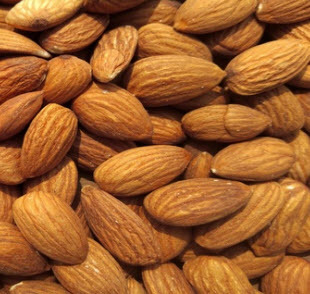
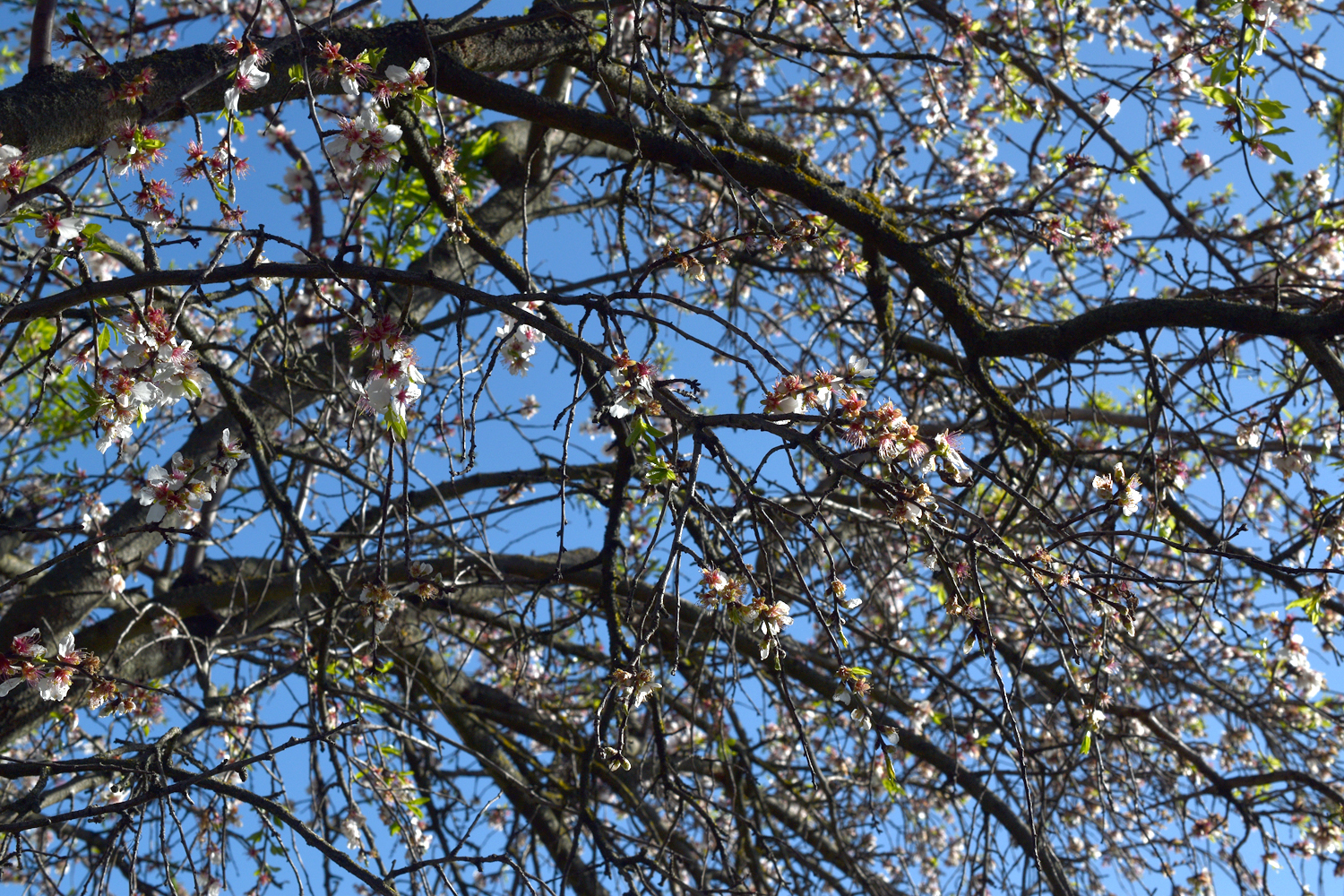
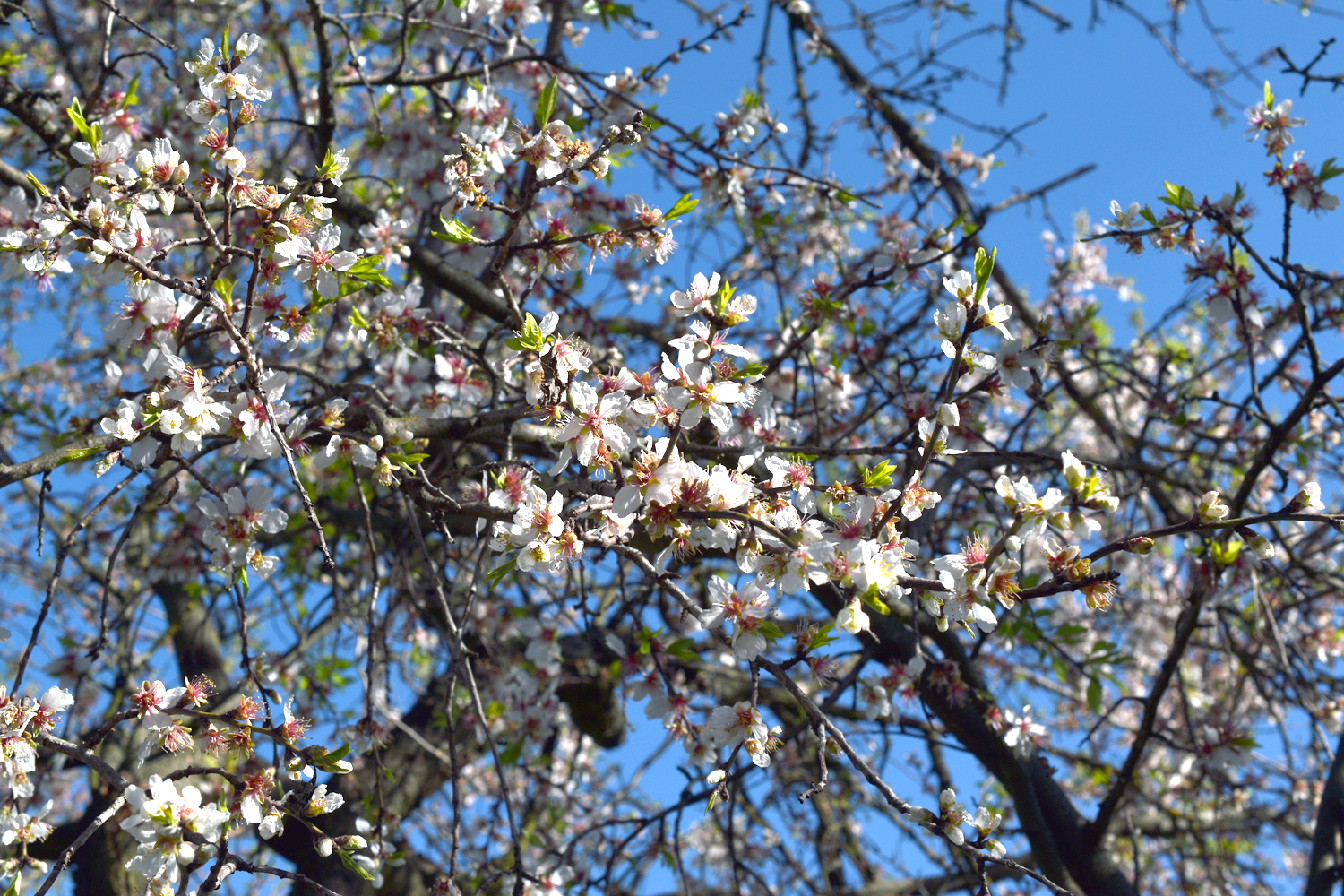
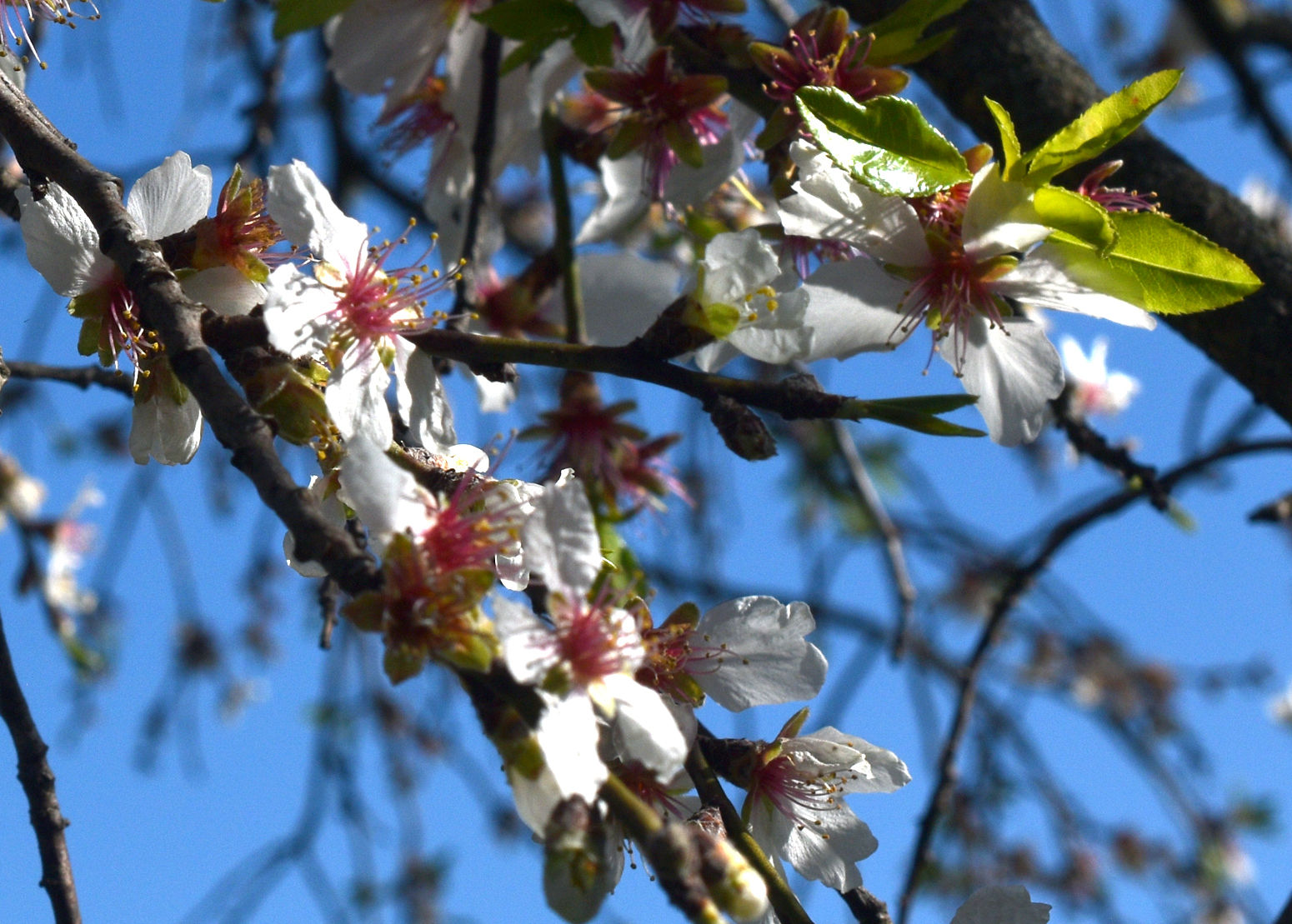
Short description of the species
Interesting
Almonds have one of the highest protein contents among nuts, up to 21g/100g.Usage
the kernel is used for consumptionSuitable growing locations
Almonds require warm and bright habitats, similar to peaches. It also tolerates a higher CaCO3 content in the soil, up to 12-15%, but has an increased sensitivity to frost and moniliosis.
Growing technology
After planting, they have rapid growth and development. The formation of shoots takes place in several growth waves at a young age. A cut during vegetation is recommended. The most frequently cultivated form is a quarter-trunk, or a half-trunk with a median with 4 to 6 skeletal branches in an inconspicuous layer spirally distributed along the median. It is also possible to choose a hollow shape, in which the procedure is similar to that of a hollow peach crown, but it is necessary to pinch less. Planting clip: 5 x 5 to 8 x 8 m. Planting material: a tree with a planted crown.
Suitable rootstocks
Mostly selected almond seedlings are used.
Suitable varieties
Vama, Zora, and Hana varieties are available from Slovak varieties. Nonpareil, California and Mission varieties are grown the most abroad.
Diseases and pests
diseases: gray rot, powdery mildew, late blight, brown rot, anthracnose
pests: aphids
Labeling Plants with QR Codes
At the Faculty of Horticulture and Landscape Engineering at SPU in Nitra, we've created a project that offers visitors to our plantings a new way to discover the beauty and intriguing aspects of plants. Each plant in our plantings has its own unique QR code. All a visitor needs to do is scan this code with their smartphone.
Encyclopedy
Informácie
Kontakt
Fakulta záhradníctva a krajinného inžinierstva
Tulipánová 7, 949 76 Nitra
phone +421 (37) 641 4229 — study department
email henrieta.budayová@uniag.sk



Copyright © 2026 Faculty of Horticulture and Landscape Engineering