

 Slovenská verzia
- home
- Spices and aromatic plants
- Verbenaceae
- Lemon verbena
- Lemon verbena
Lemon verbena
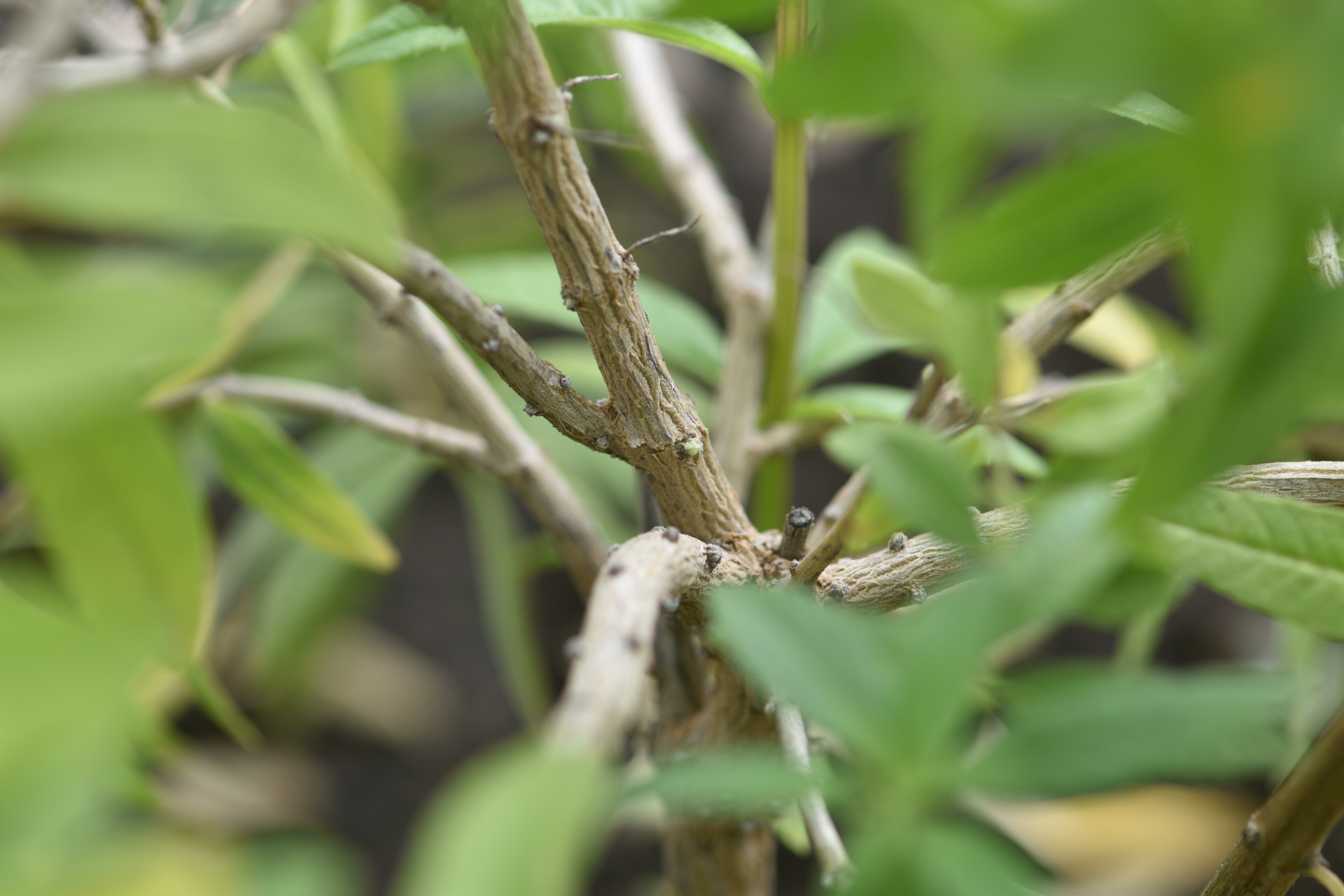
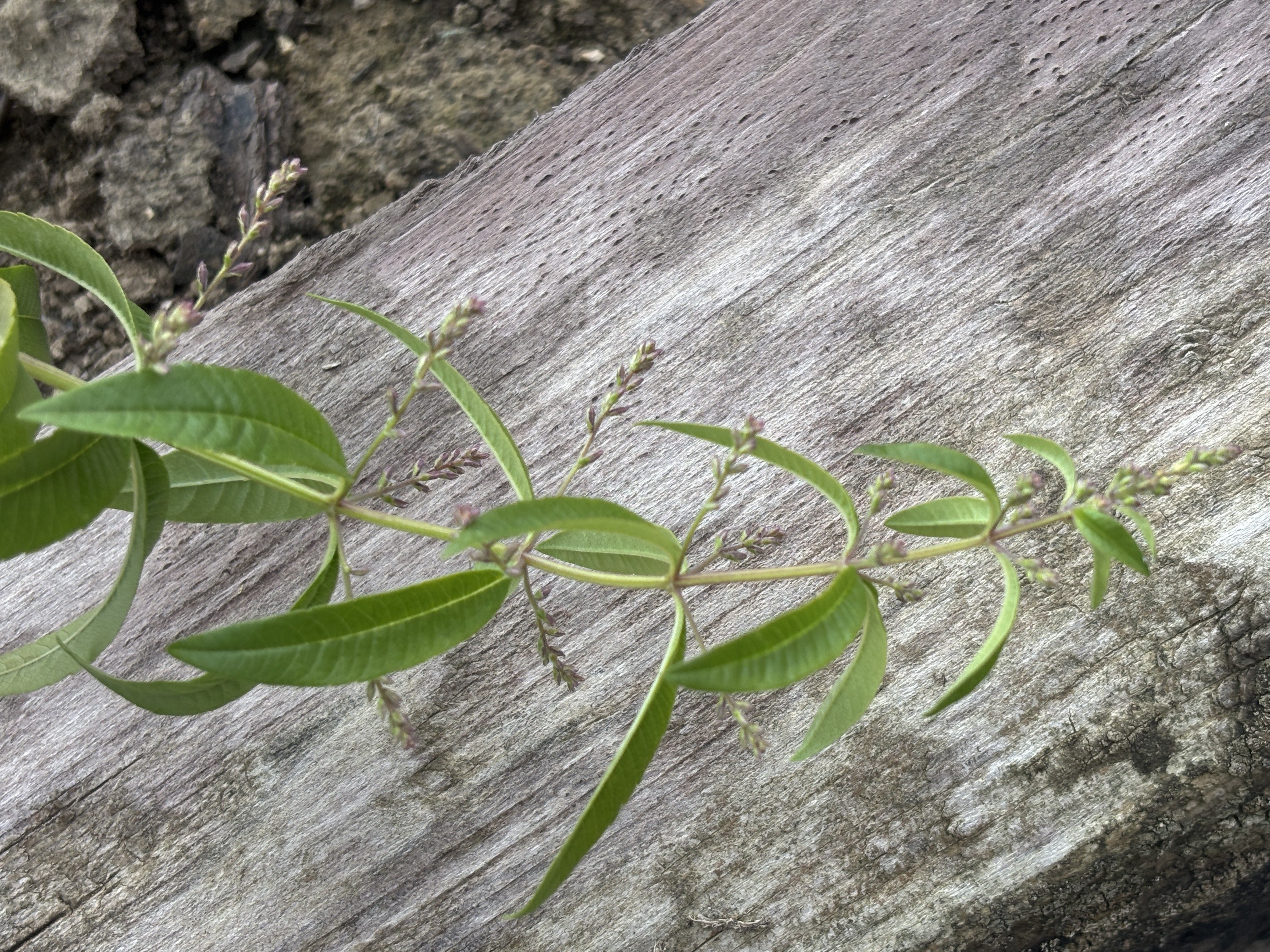
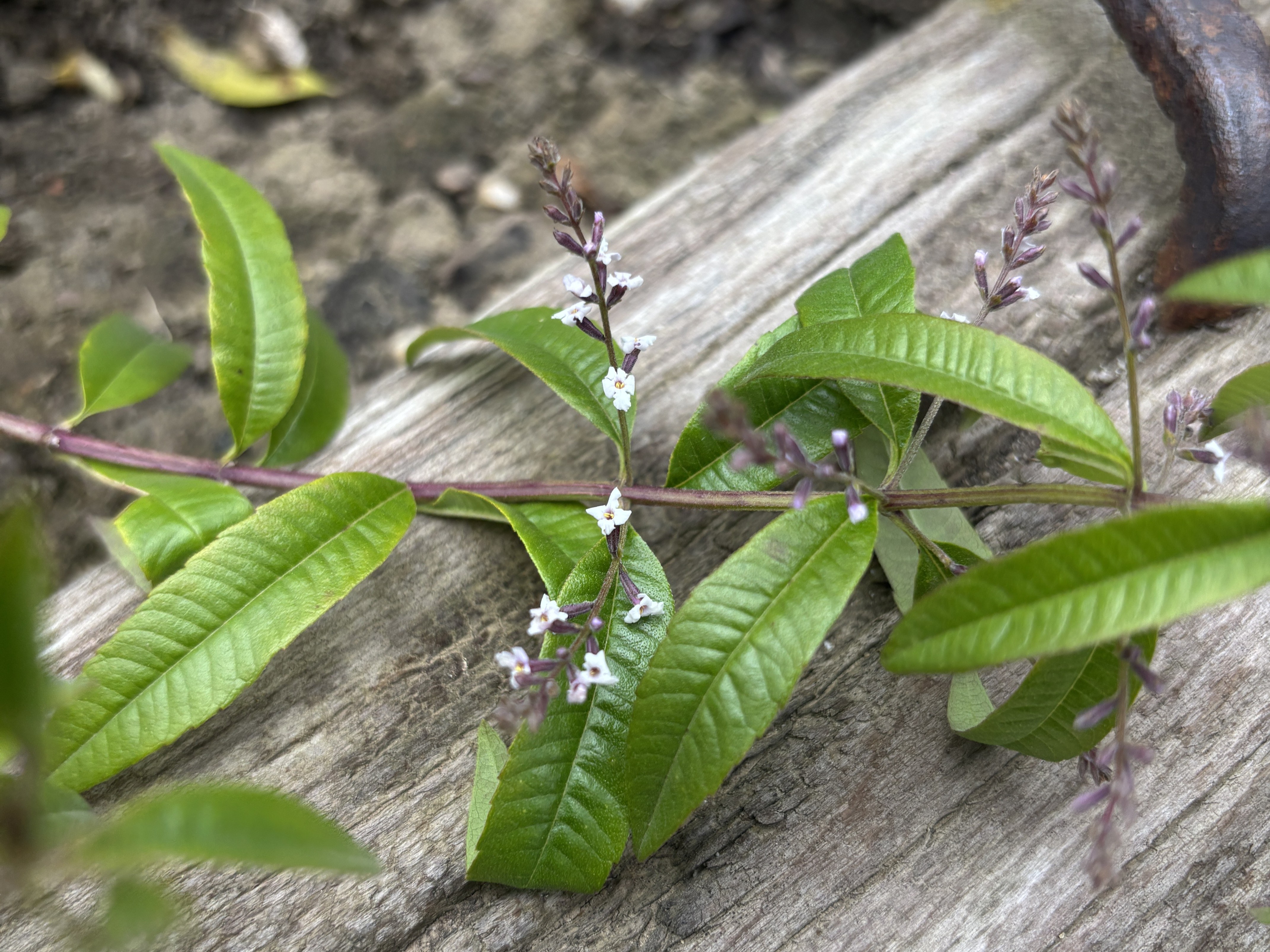
Short description of the species
Interesting
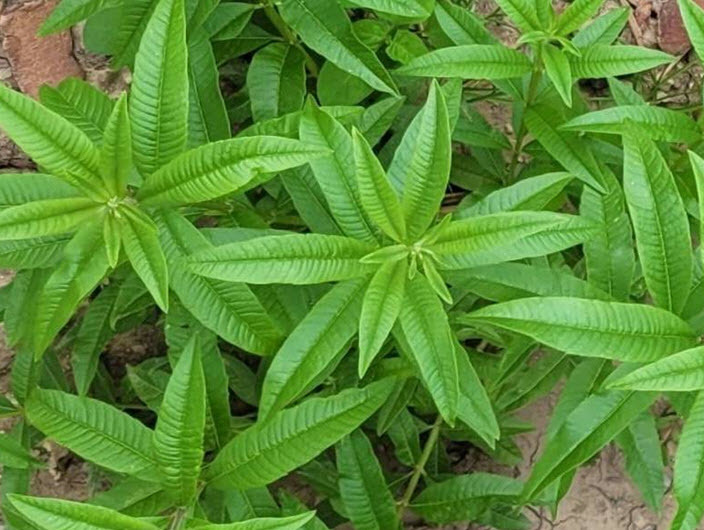
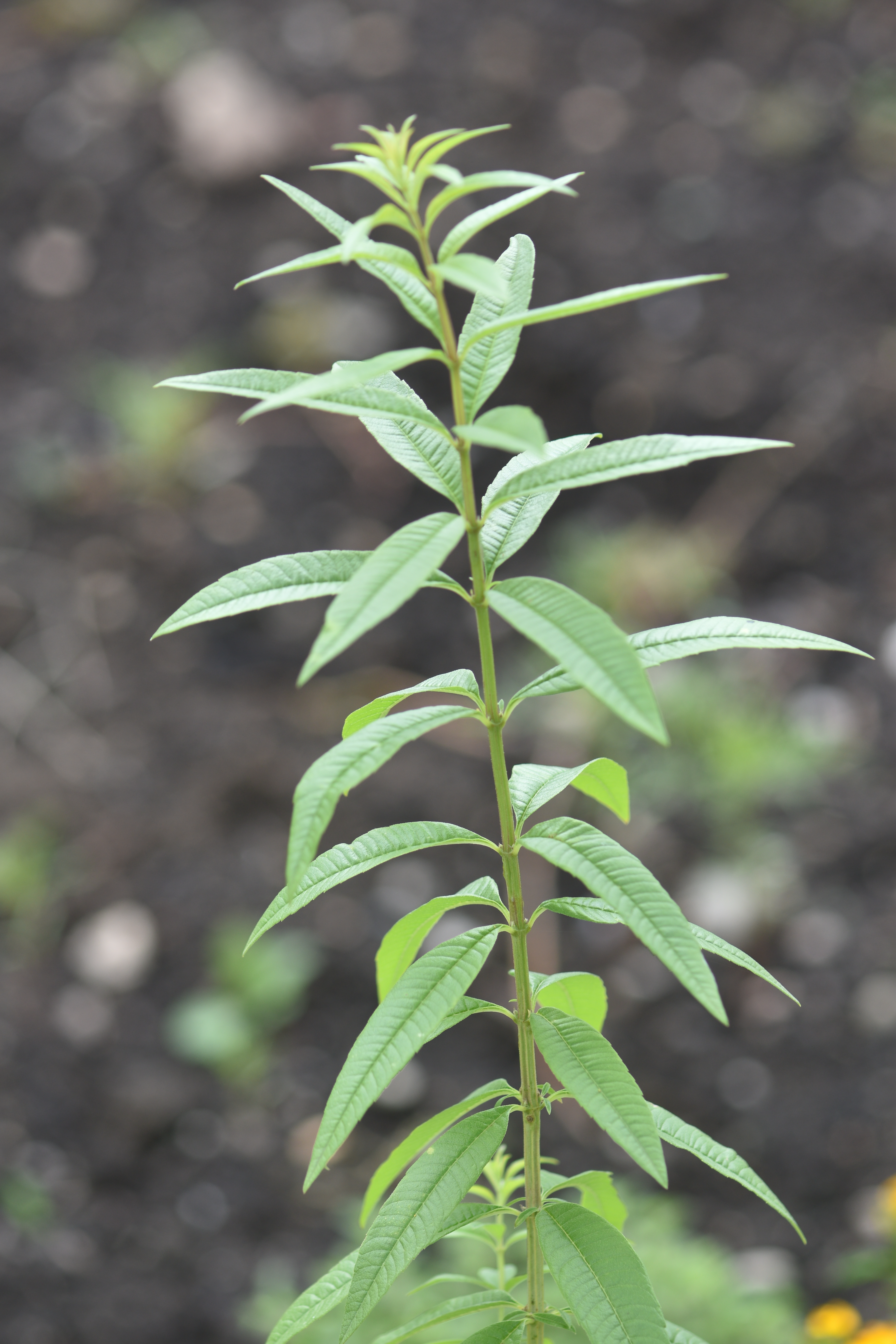
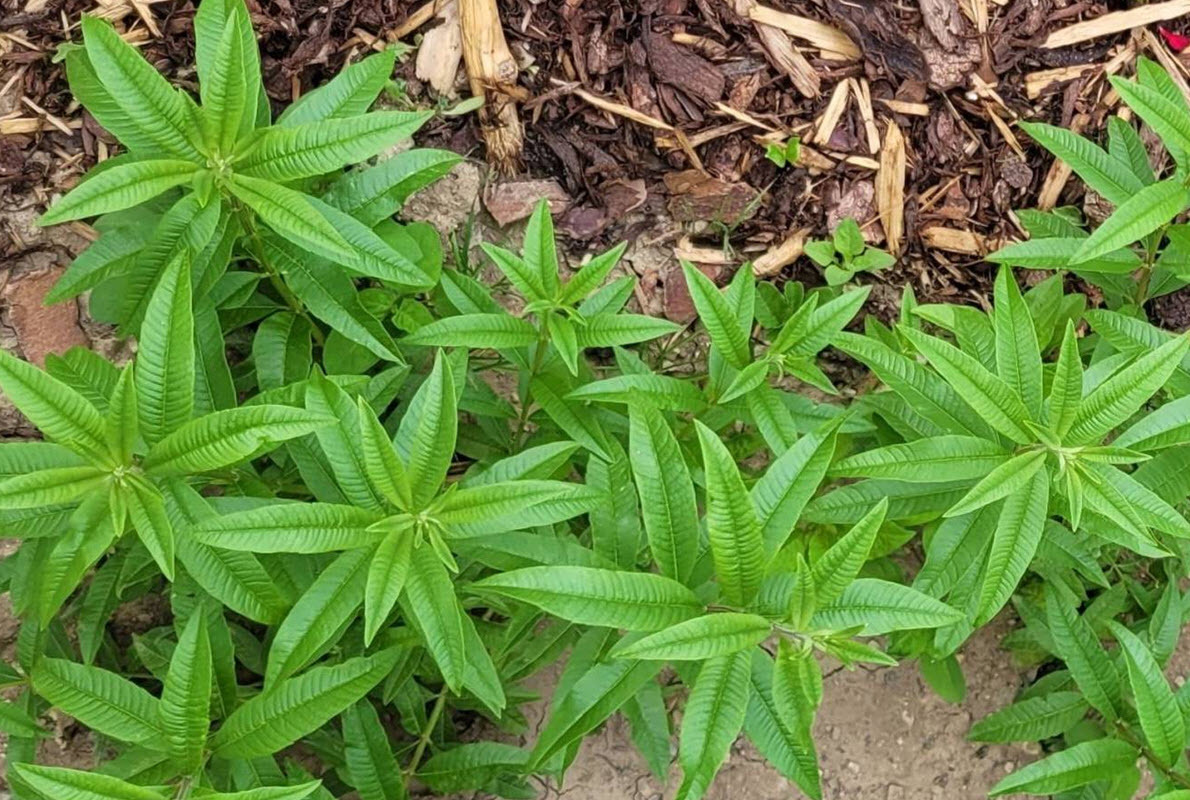
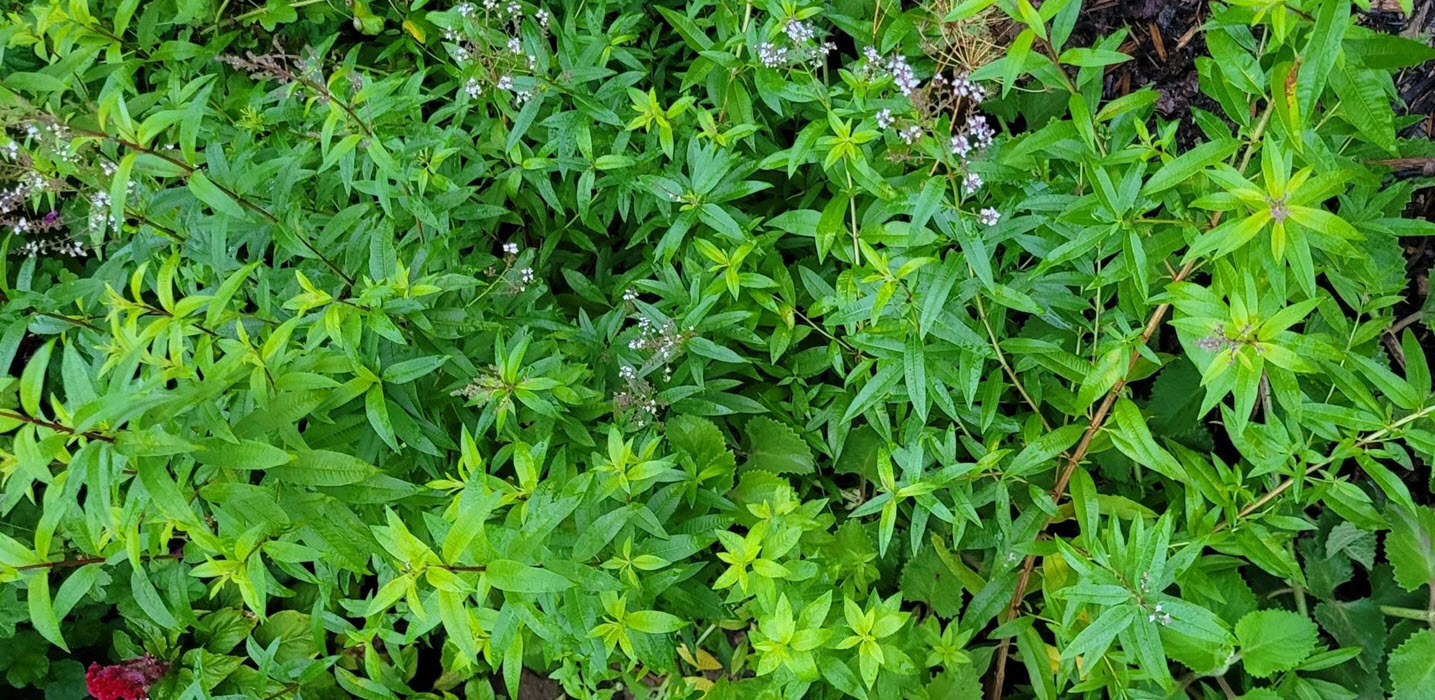
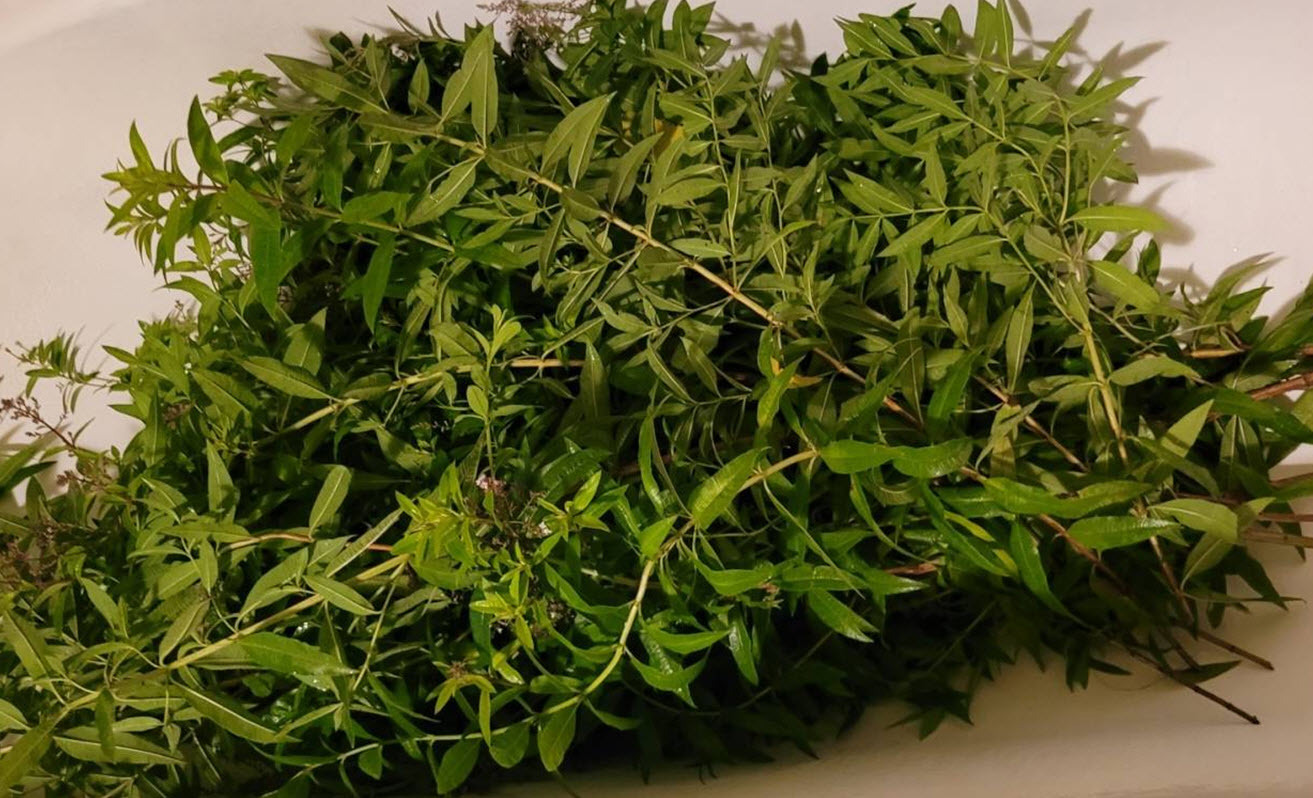
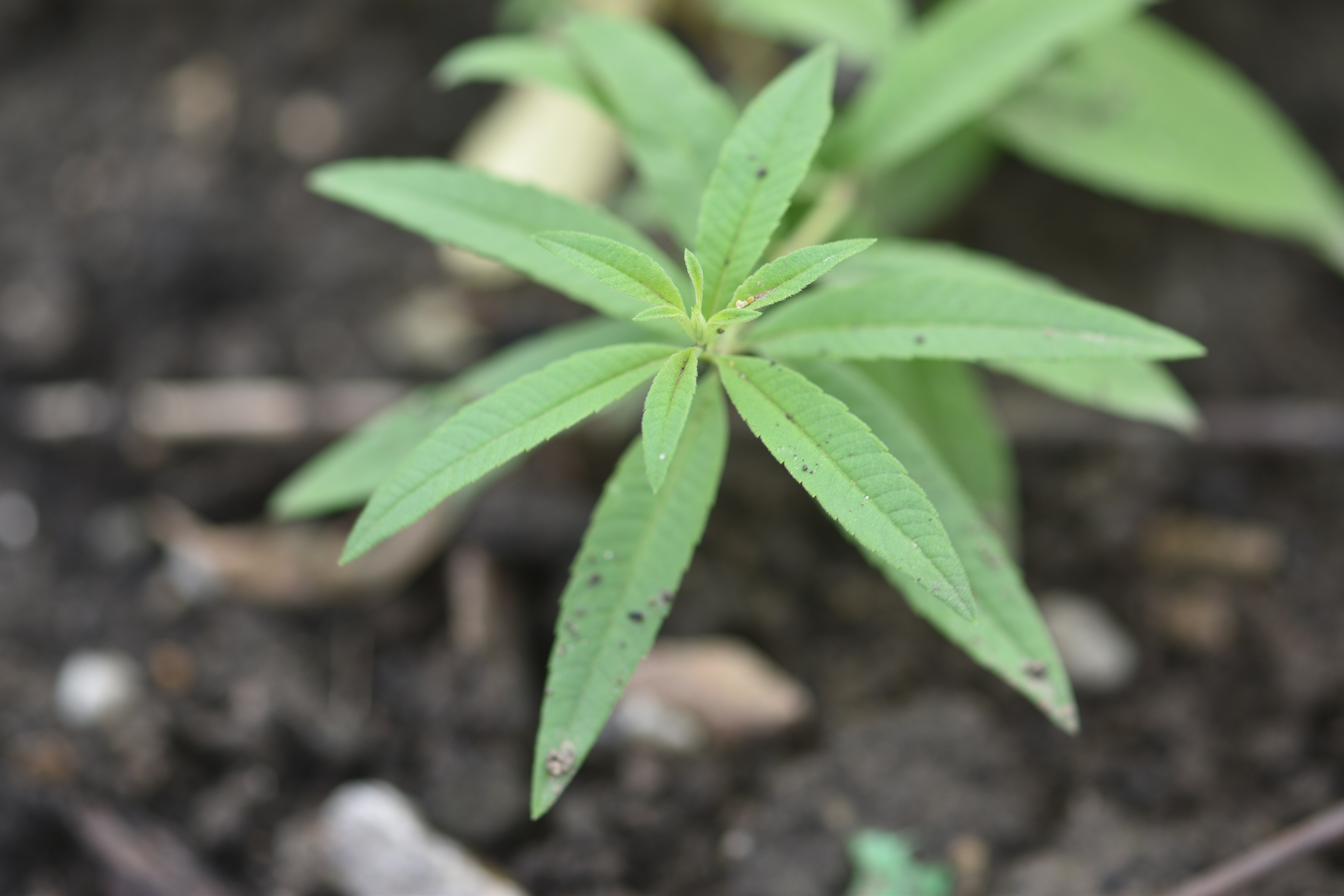
Aloysia citriodora, known as lemon verbena, is valued for its lemony aroma, ornamental value, and practical uses, with the name citriodora meaning "with the scent of lemon."Usage
Especially in the food industry for teas, flavoring foods, drinks and desserts; it is also used in cosmetics for its fragrance and soothing effects.Cultivation practices
Propagation: is propagated both generatively and vegetatively. Generative propagation is less common because the plant produces few seeds.
Cultivation practices
| Month | I. | II. | III. | IV. | V. | VI. | VII. | VIII. | IX. | X. | XI. | XII. |
|---|---|---|---|---|---|---|---|---|---|---|---|---|
| Rooting of cuttings | XXX | XXX | XXX | |||||||||
| Transplanting of seedlings | XX | |||||||||||
| Harvest/leaves | X | XXX | XXX | X |
Crop rotation classification and fertilization requirements
In Slovakia, it is cultivated as an annual plant, or in containers so it can be moved indoors or into a greenhouse for the winter at temperatures above 5 °C.
Track: II.
Suitable preceding crops: cereals, legumes, fodder mixtures
Fertilization: Aloysia is fertilized moderately, ideally with well-decomposed organic manure or a balanced NPK fertilizer.
Harvest and storage:
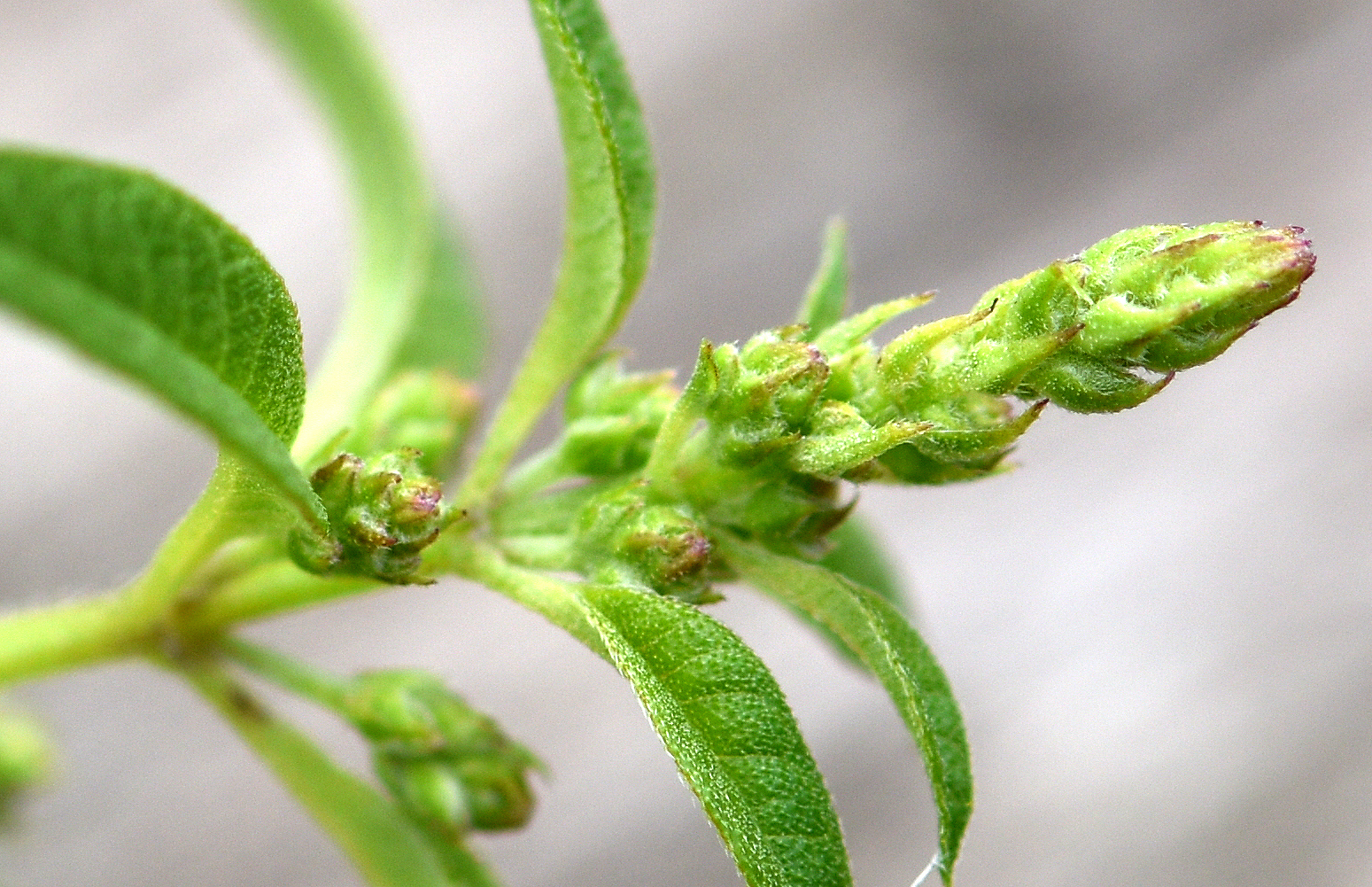
For culinary purposes, leaves are harvested continuously; for medicinal use, they are collected before flowering (in July), when they contain the highest concentration of active compounds.
Uses: Primarily in the food industry for teas, flavoring dishes, beverages, and desserts; also used in cosmetics for its fragrance and calming effects.
Effects on human health
Active compounds: Essential oils (geraniol, nerol, limonene, cineole, and others), sesquiterpenes, glycosides, flavonoids.
Phytotherapeutic groups: nervine, stomachic, carminative.
Diseases and pests:
It is susceptible to aphids, mites, and thrips; among diseases, to Pythium (root rot).
Labeling Plants with QR Codes
At the Faculty of Horticulture and Landscape Engineering at SPU in Nitra, we've created a project that offers visitors to our plantings a new way to discover the beauty and intriguing aspects of plants. Each plant in our plantings has its own unique QR code. All a visitor needs to do is scan this code with their smartphone.
Encyclopedy
Informácie
Kontakt
Fakulta záhradníctva a krajinného inžinierstva
Tulipánová 7, 949 76 Nitra
phone +421 (37) 641 4229 — study department
email henrieta.budayová@uniag.sk



Copyright © 2026 Faculty of Horticulture and Landscape Engineering