

 Slovenská verzia
- home
- Spices and aromatic plants
- Apiaceae
- Leaf celery
- Leaf celery
Leaf celery
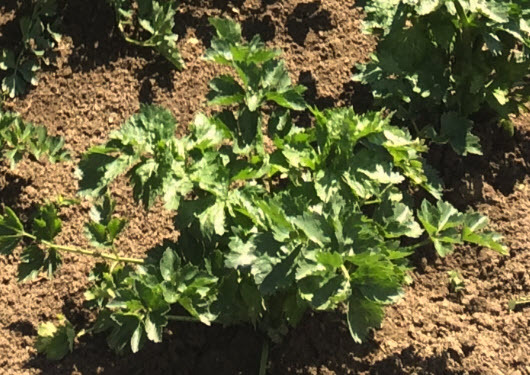
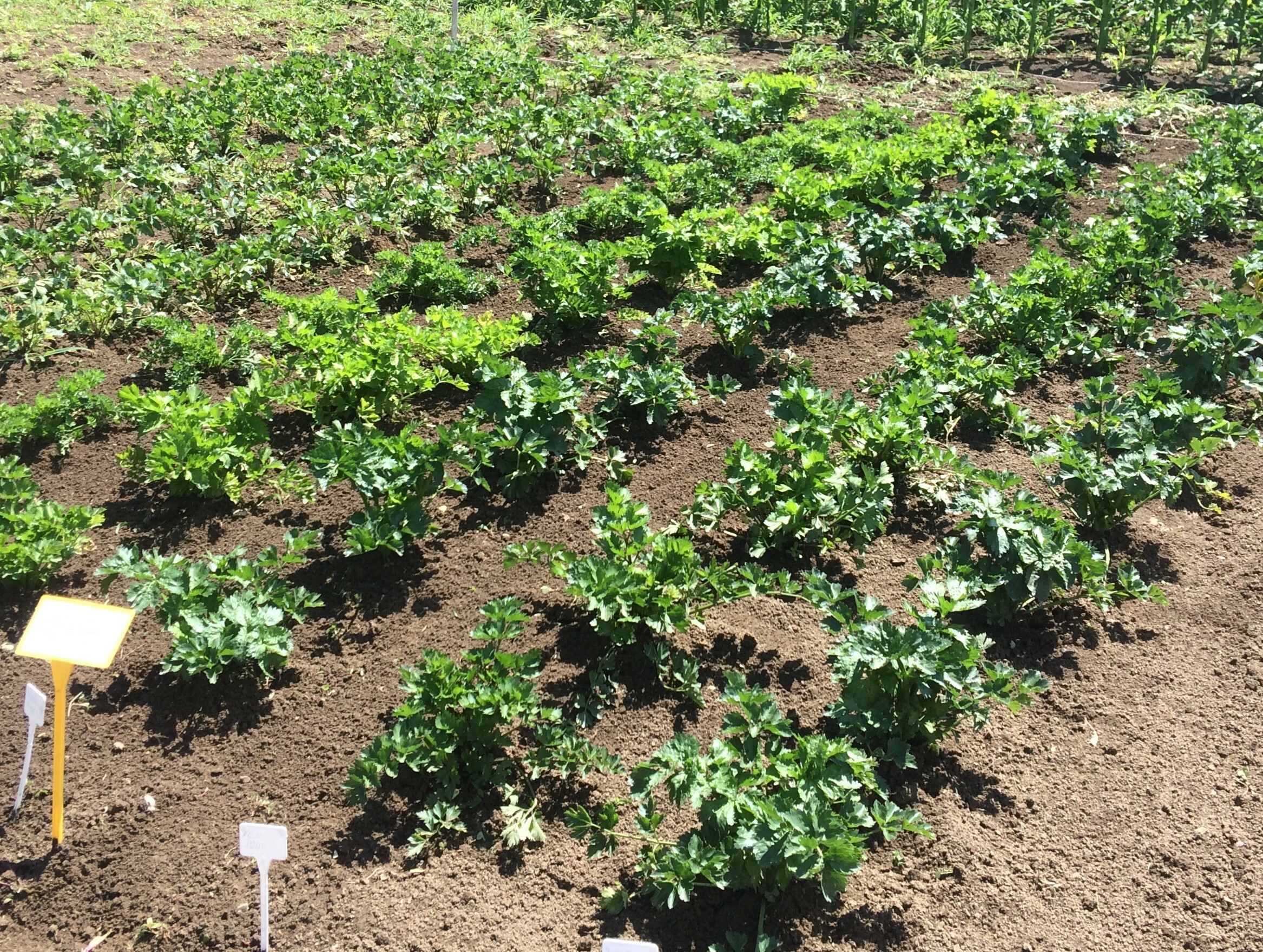
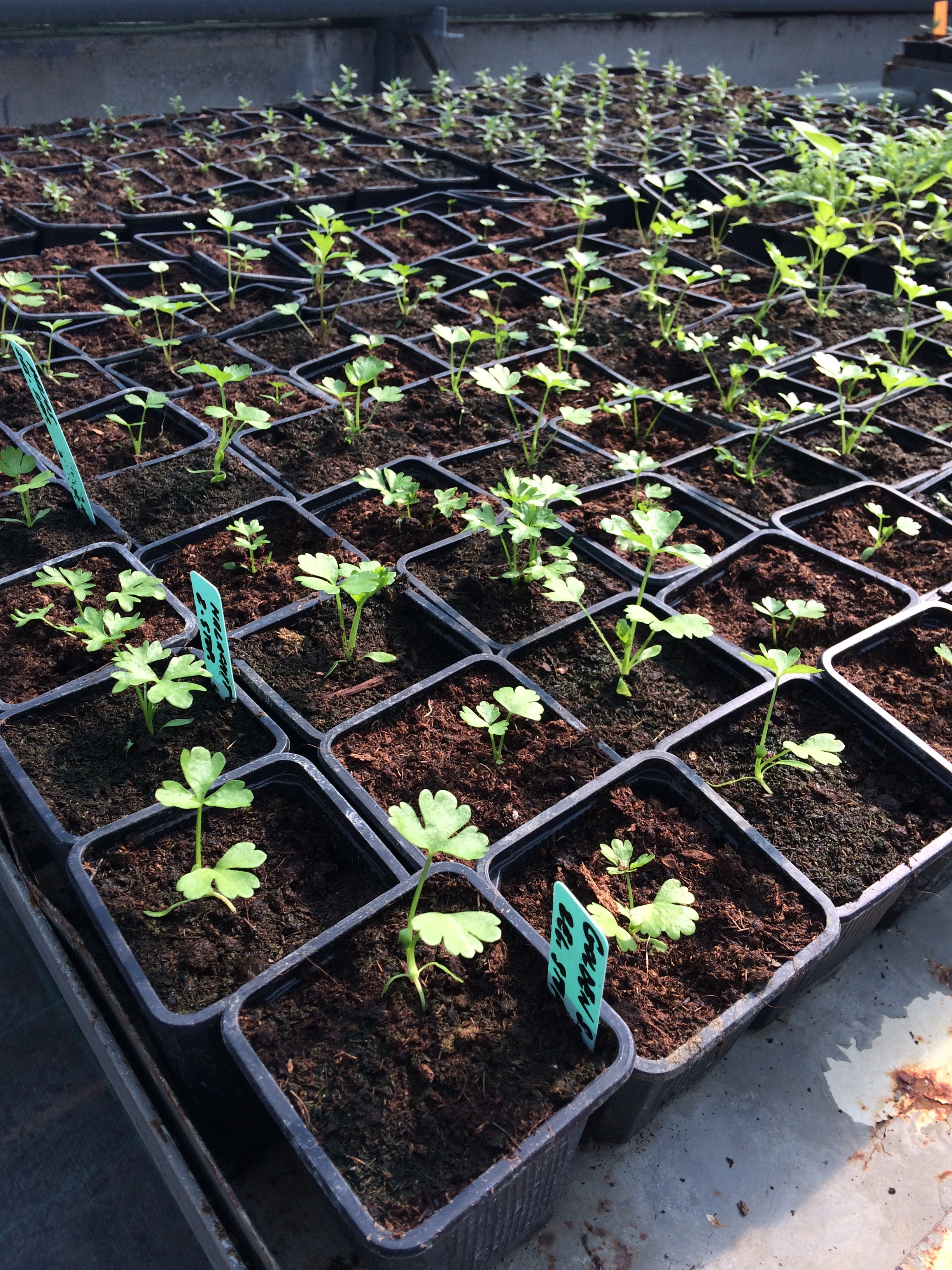
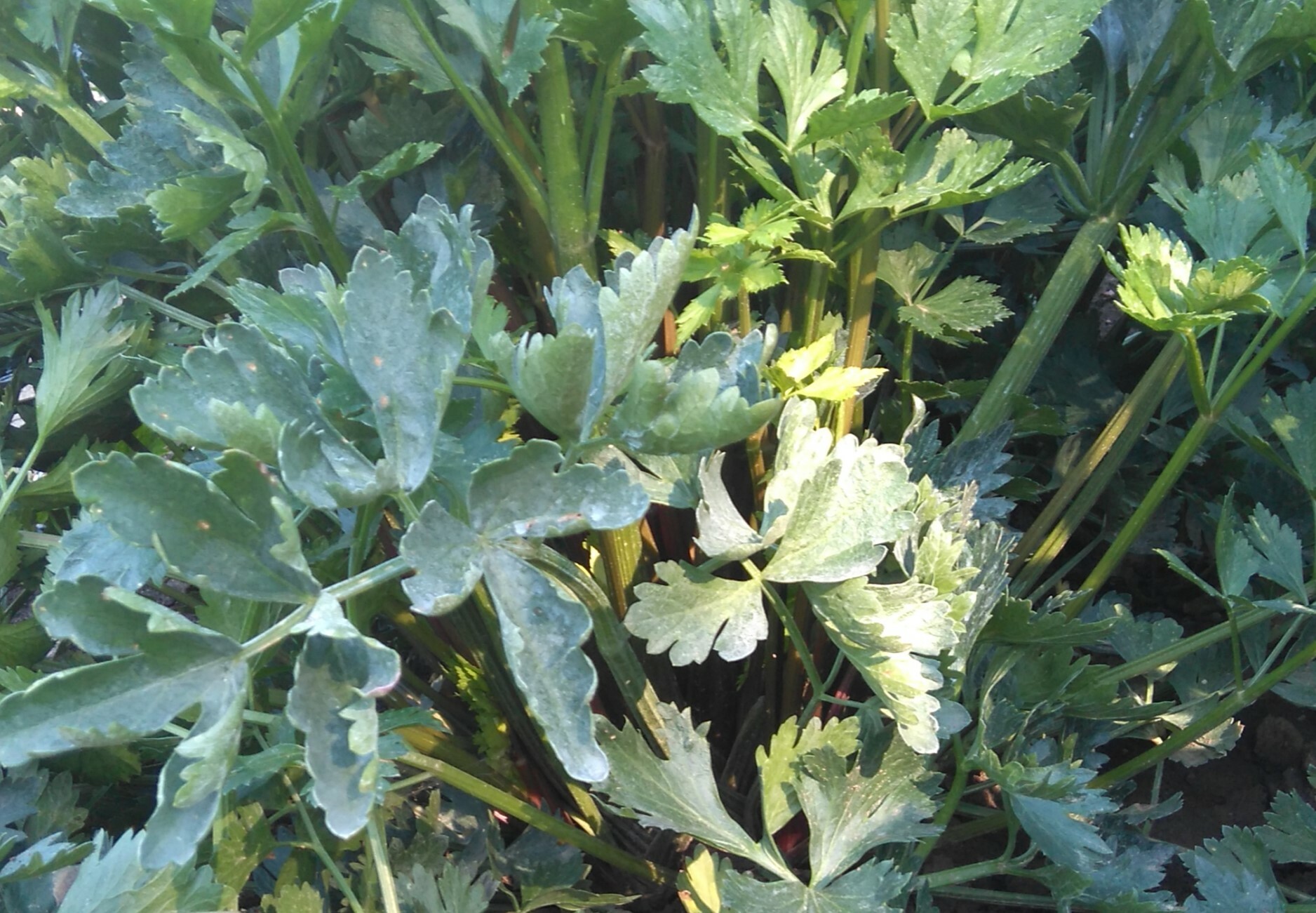
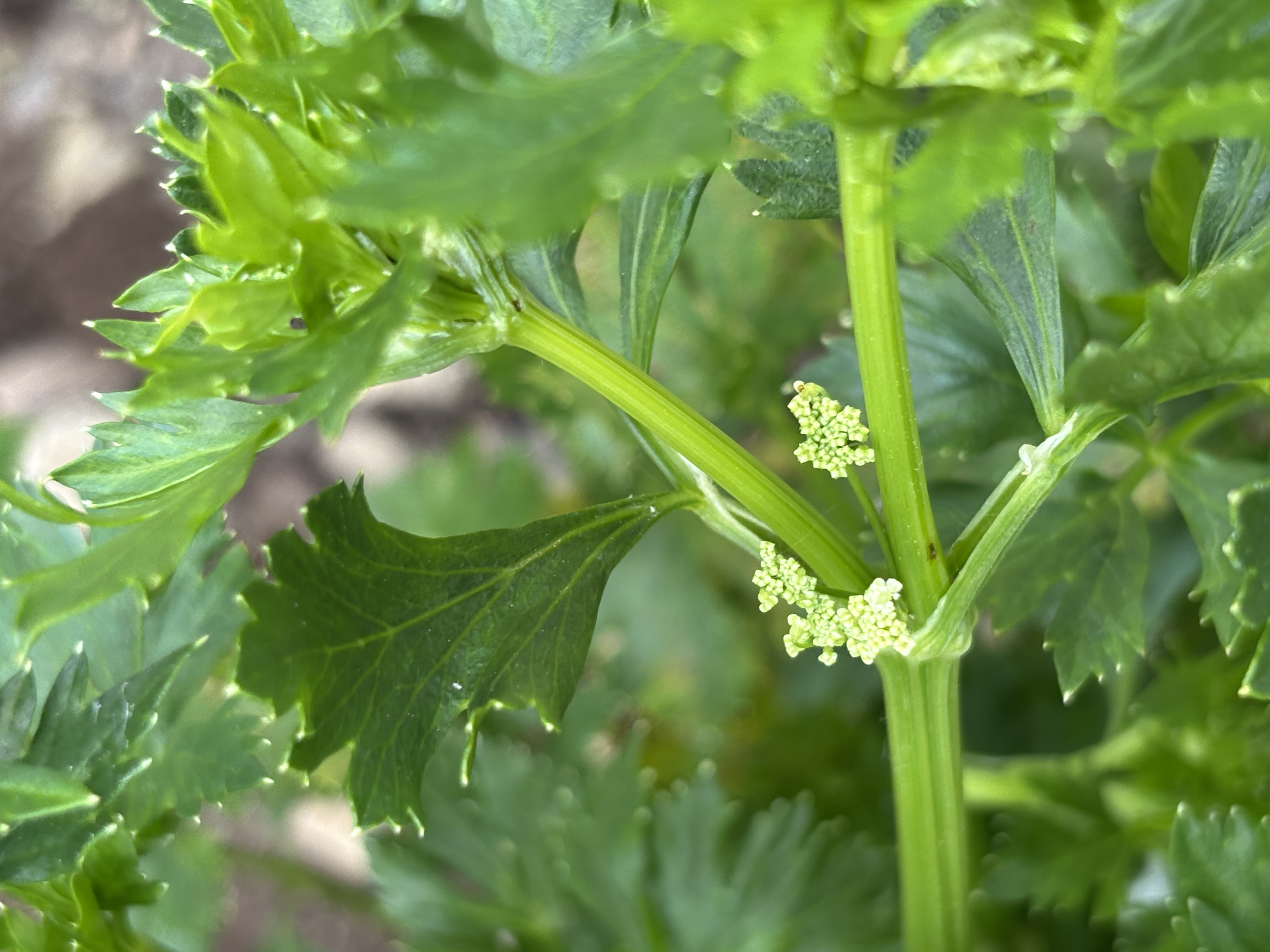
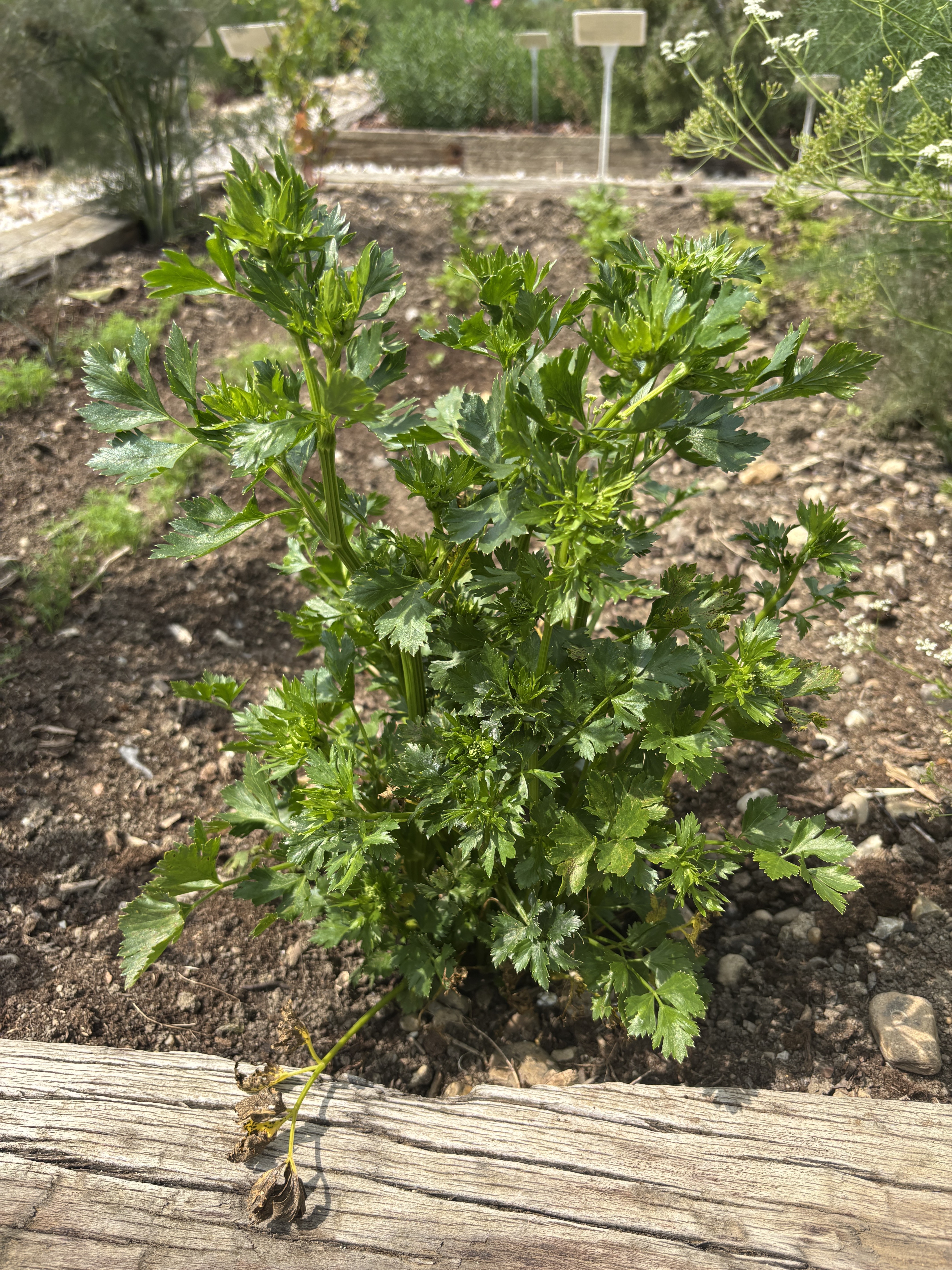
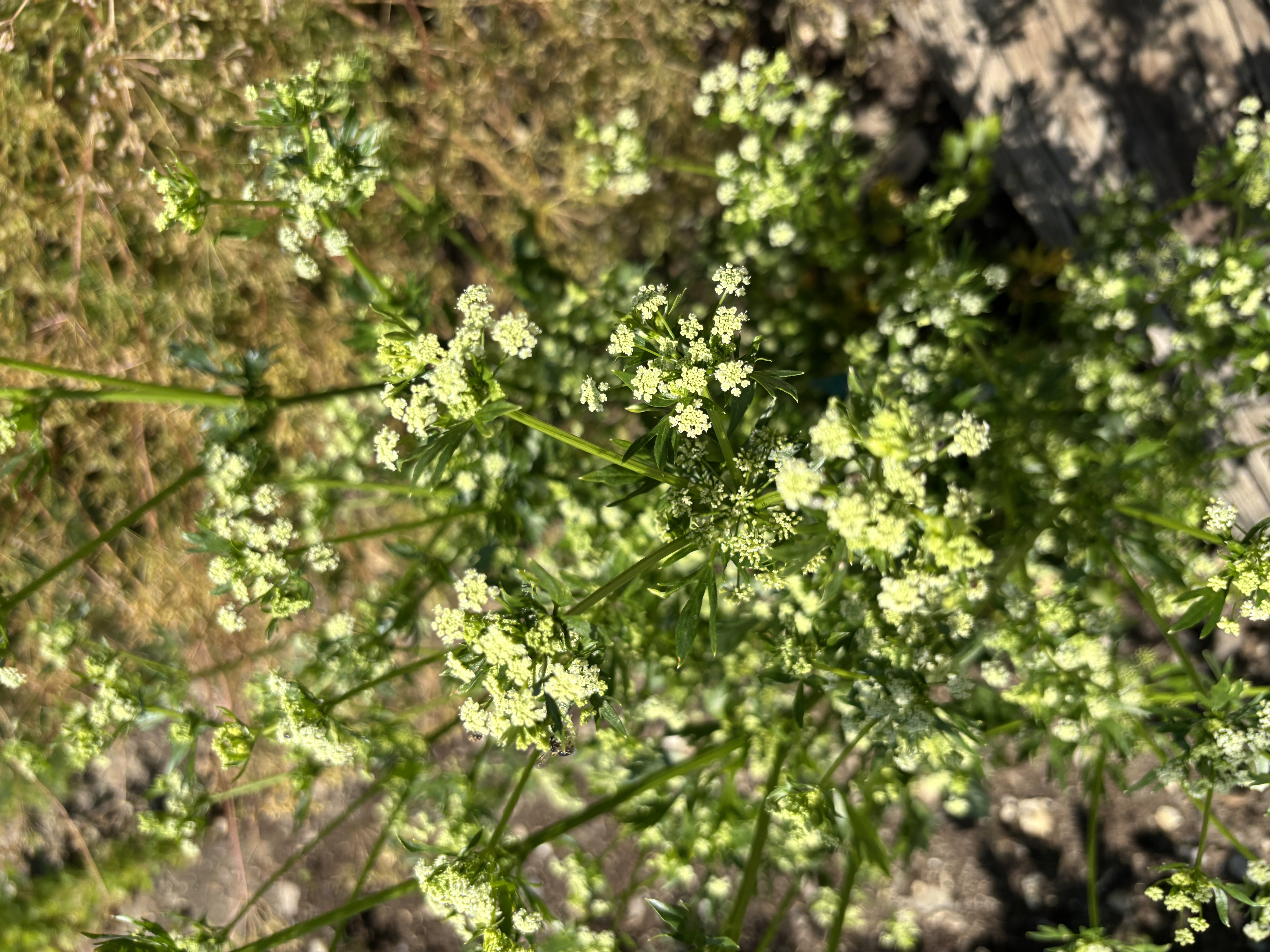
Short description of the species
Usage
an ingredient in soups, salads, sauces and as part of a mixture of spices, in combination with other vegetables such as carrots, onions and garlicInclusion in the sowing process and fertilization requirements
We grow celeriac as an annual crop.
track: I. suitable pre-crops: roots, cereals, vegetables except root crops from the carrot family
fertilization: livestock manure in autumn (40 t/ha)
varieties: Yield, uprightness of growth, suitability for storage, or leaf color (dark green preferred), tolerance to diseases and pests.
Agricultural cultivation techniques
Agricultural cultivation techniques - from transplants
| Month | I. | II. | III. | IV. | V. | VI. | VII. | VIII. | IX. | X. | XI. | XII. |
|---|---|---|---|---|---|---|---|---|---|---|---|---|
| Sowing / covered areas | XXX | |||||||||||
| Planting | XX | |||||||||||
| Harvest | XX | XXX | XXX |
Harvest and storage:
Harvesting is done by gradually breaking off the oldest leaves or by cutting the whole bunch at once. We make two harvests during the growing season.
Use: an ingredient in soups, salads, sauces and as part of a mixture of spices, in combination with other vegetables such as carrots, onions and garlic
Impact on human health:
Valuable ingredients: essential oils, phenolic compounds, flavonoids, chlorophyll
Phytotherapeutic groups: diuretic, metabolic, stomachic
Diseases and pests: Diseases such as wet rot (Erwinia carotovara subsp. Carotovara (Jones) Bergery et al), Celery septoria (Septoria apii – graveolens Dovogin) and pests - aphids, caterpillars can occur on celery.
Labeling Plants with QR Codes
At the Faculty of Horticulture and Landscape Engineering at SPU in Nitra, we've created a project that offers visitors to our plantings a new way to discover the beauty and intriguing aspects of plants. Each plant in our plantings has its own unique QR code. All a visitor needs to do is scan this code with their smartphone.
Encyclopedy
Informácie
Kontakt
Fakulta záhradníctva a krajinného inžinierstva
Tulipánová 7, 949 76 Nitra
phone +421 (37) 641 4229 — study department
email henrieta.budayová@uniag.sk



Copyright © 2026 Faculty of Horticulture and Landscape Engineering