

 Slovenská verzia
- home
- Fruits - general part
- Berry fruit
- Gooseberry
Gooseberry
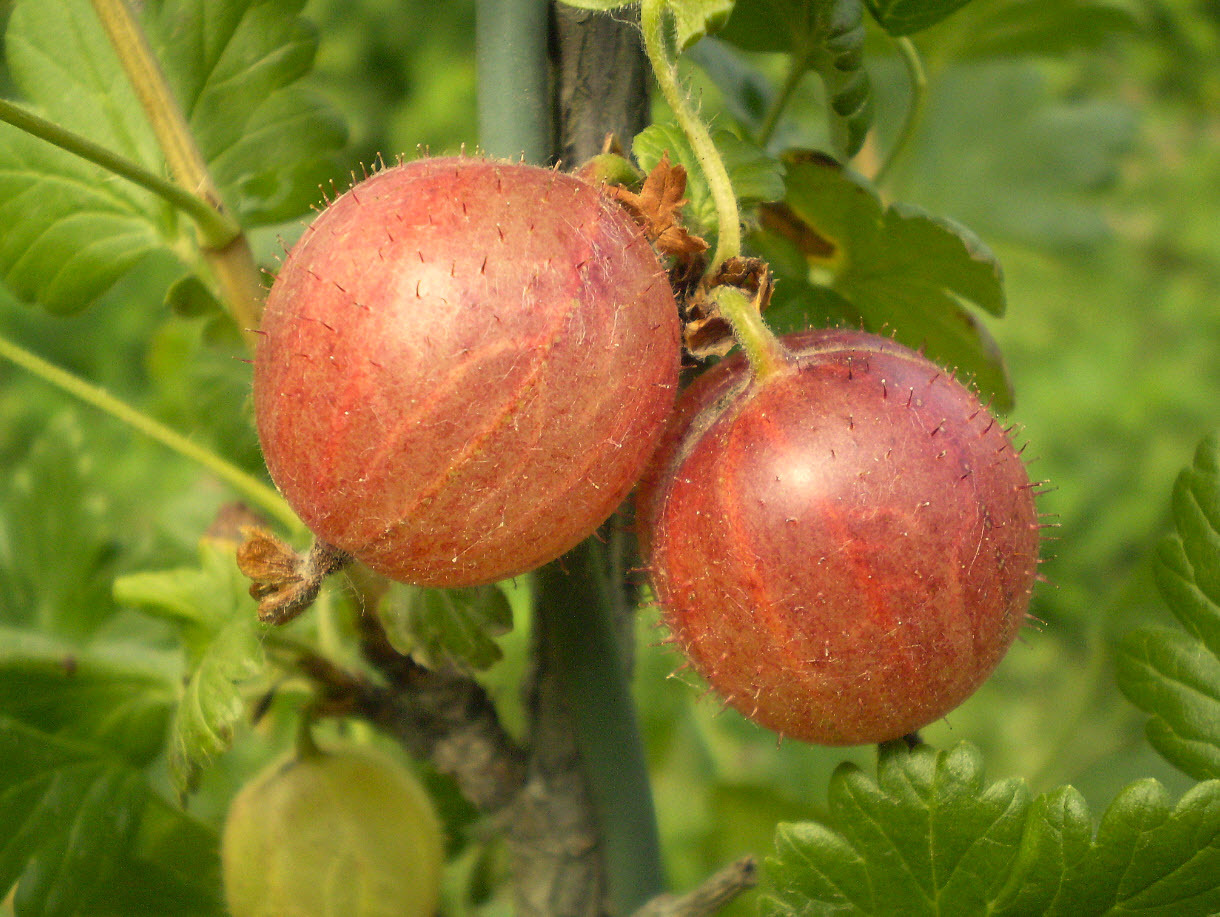
Short description of the species
Interesting
The current world record for the heaviest gooseberry was set in 2013 at 64.49 grams, which is about the size of a large chicken egg.Usage
direct consumption, processing into nectar and juices, canningSuitable growing locations
They have similar habitat requirements as raspberries and blackberries.
Suitable growing forms
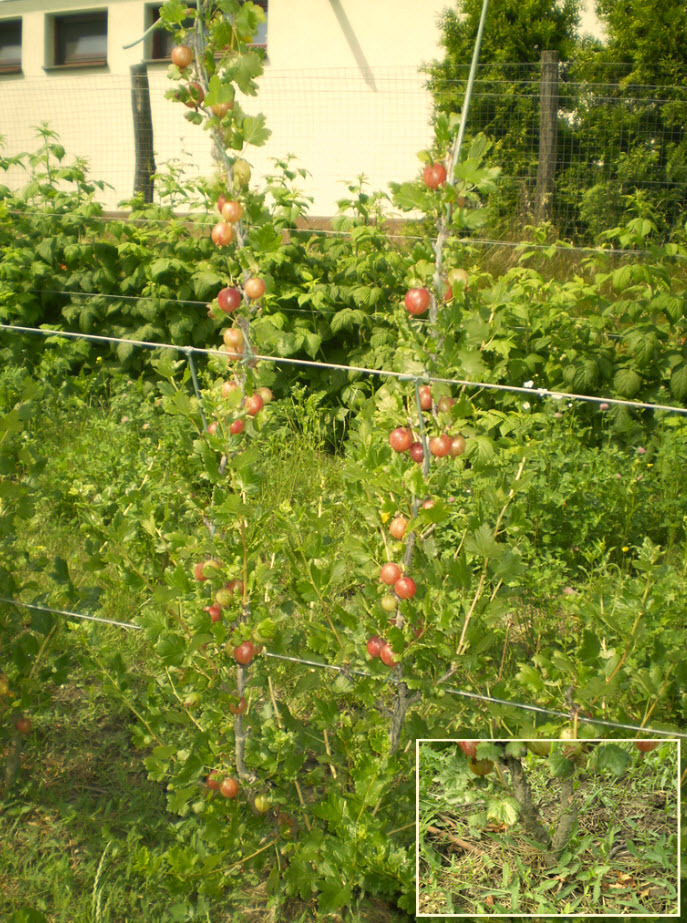
Similar to currants, gooseberries can be grown in the form of a bush or a tree on a golden currant rootstock. In the form of a shrub, we choose a clip of 2.0x1.0m. The bush should contain about 3-4 branches of different ages, from one-year-old to 4-5-year-old. We remove the oldest branches from the base. We do not shorten the shoots.
Suitable varieties
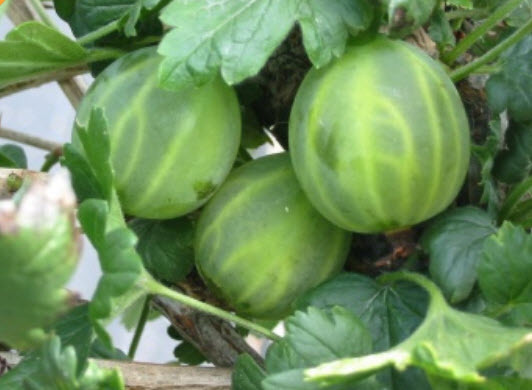
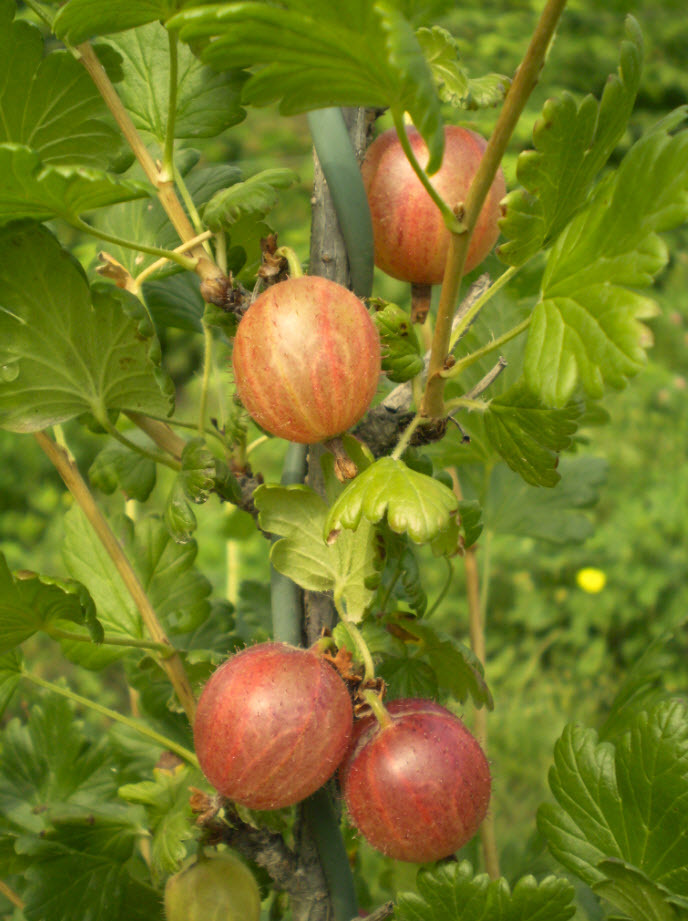
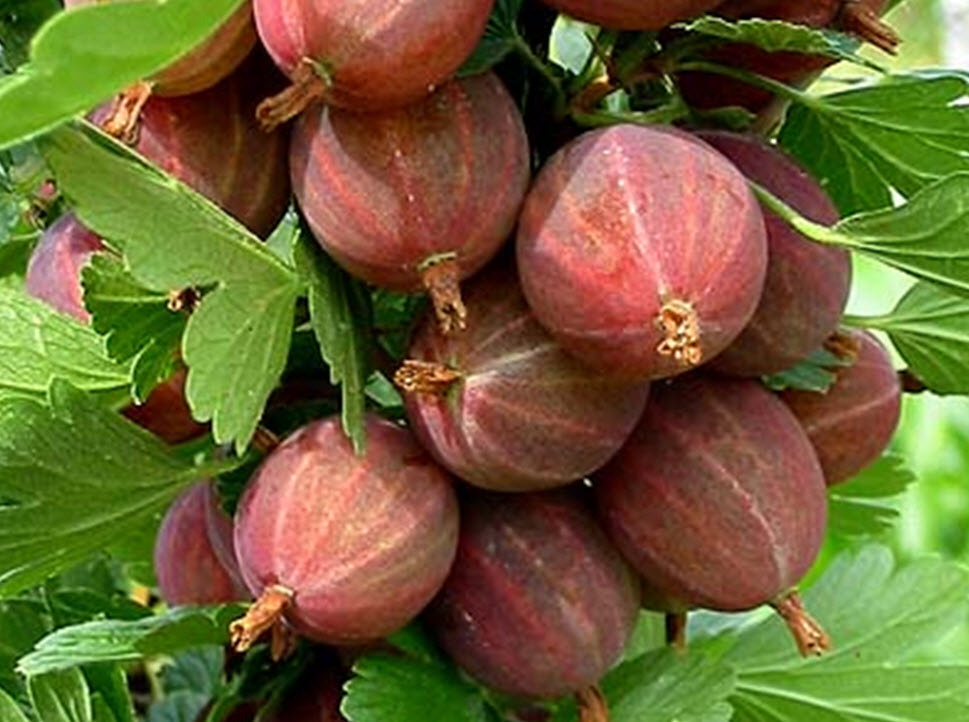
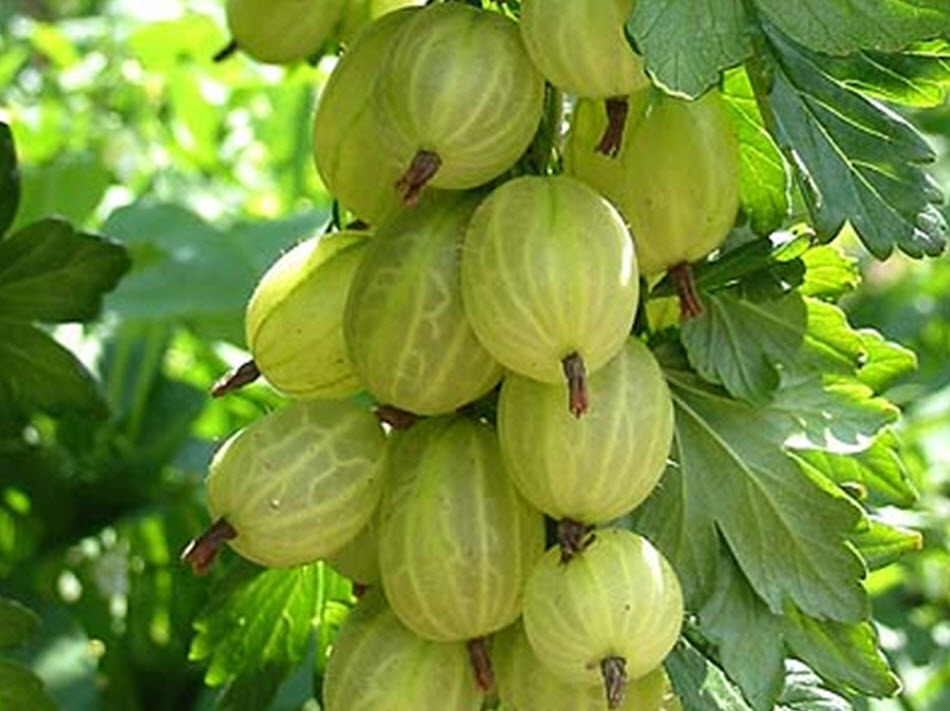
Among the modern varieties, the recommended varieties are Hinomacki Rot with red fruits, Hinomacki Gelb with yellow fruits and Hinomacki Grun with green fruits. Of the red-fruited varieties, the Pax variety is also represented in the plantings, and of the green varieties, the Mucurines variety.
Diseases and pests
diseases: gooseberry powdery mildew, anthracnose
pests: aphids
Labeling Plants with QR Codes
At the Faculty of Horticulture and Landscape Engineering at SPU in Nitra, we've created a project that offers visitors to our plantings a new way to discover the beauty and intriguing aspects of plants. Each plant in our plantings has its own unique QR code. All a visitor needs to do is scan this code with their smartphone.
Encyclopedy
Informácie
Kontakt
Fakulta záhradníctva a krajinného inžinierstva
Tulipánová 7, 949 76 Nitra
phone +421 (37) 641 4229 — study department
email henrieta.budayová@uniag.sk



Copyright © 2026 Faculty of Horticulture and Landscape Engineering