
 Slovenská verzia
- home
- Pome fruit
- Apple
- Fraulein
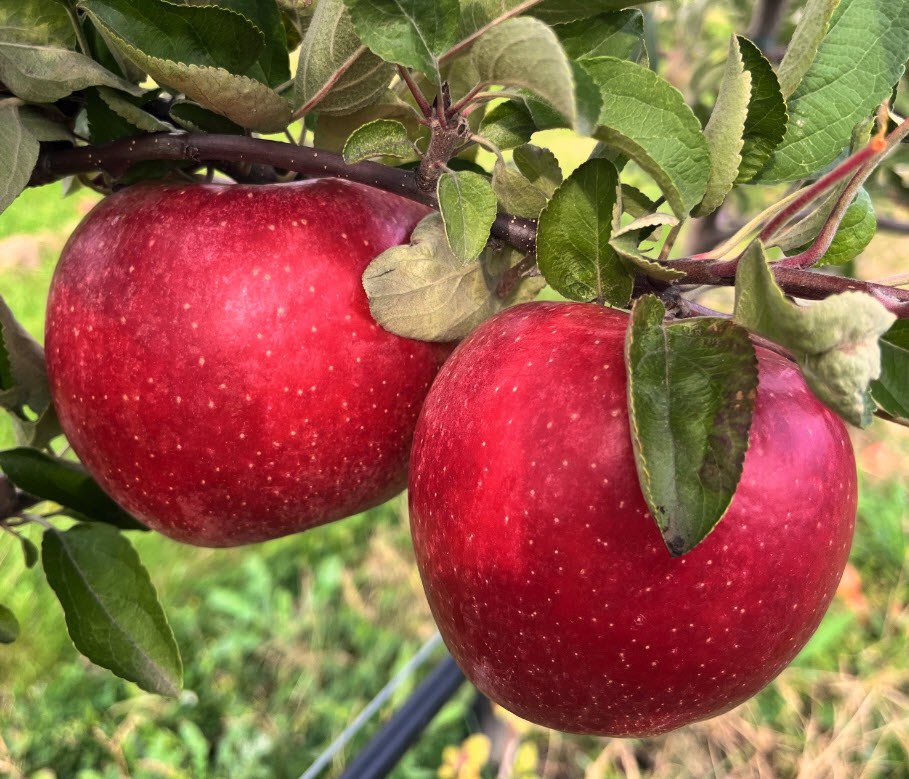
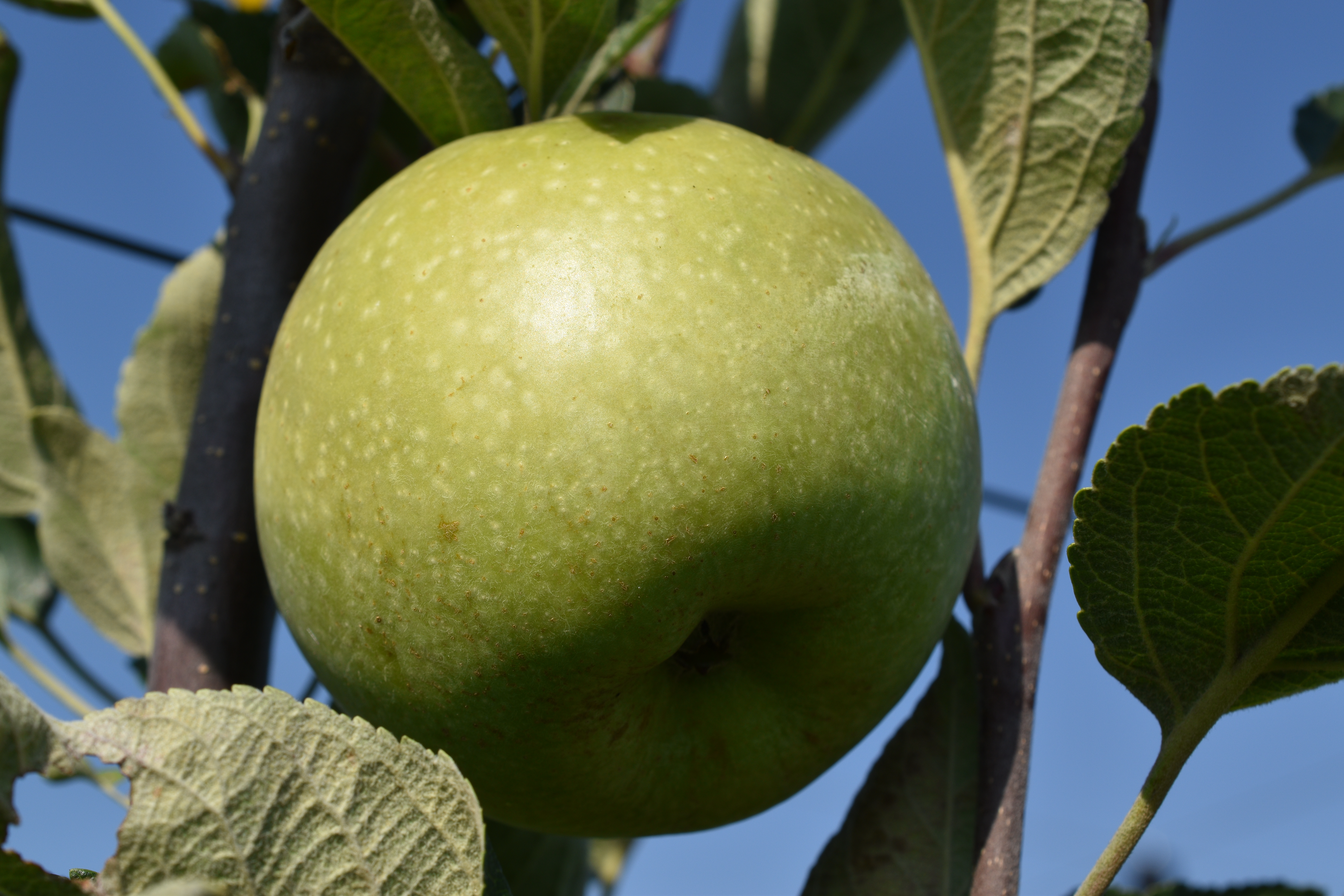
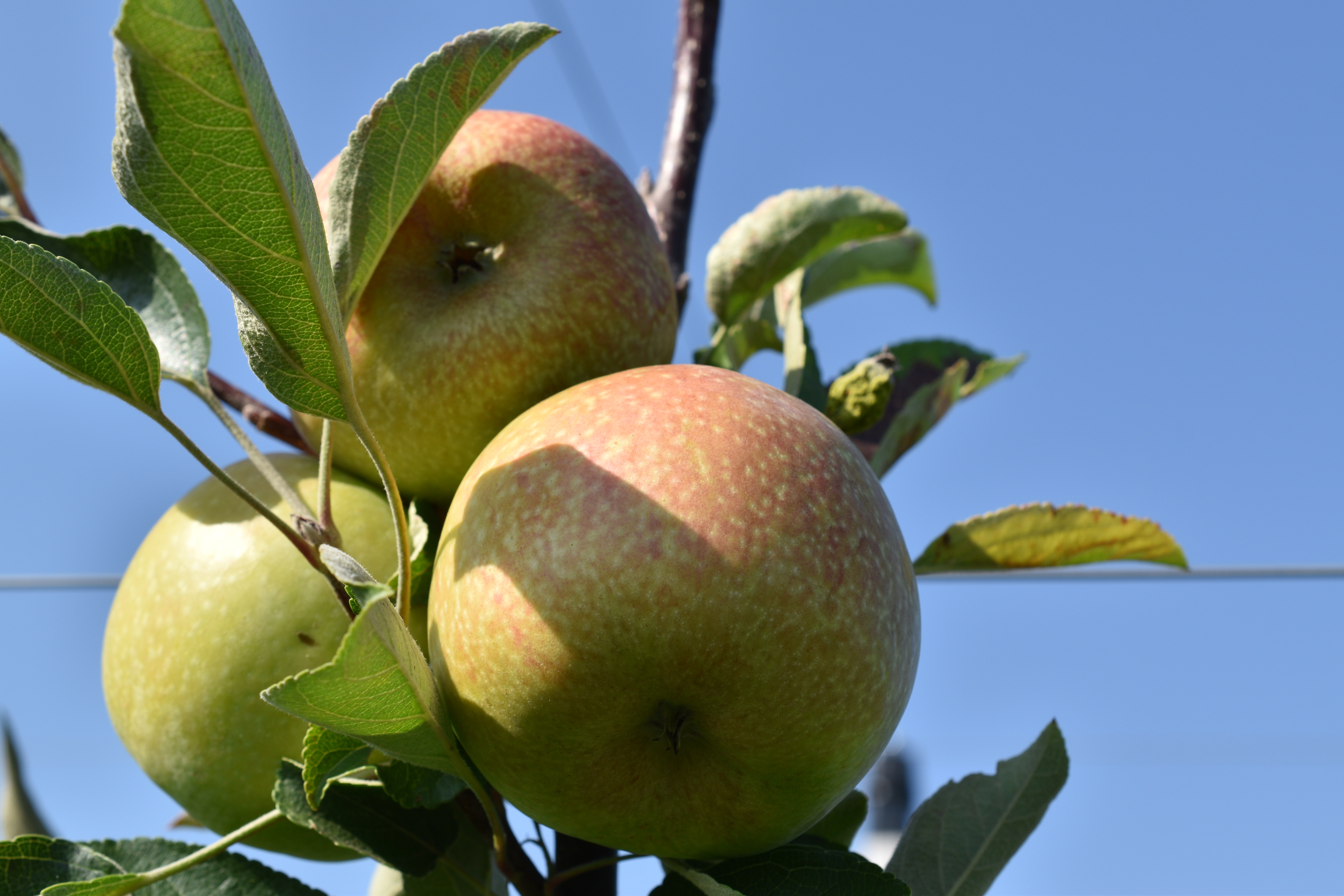
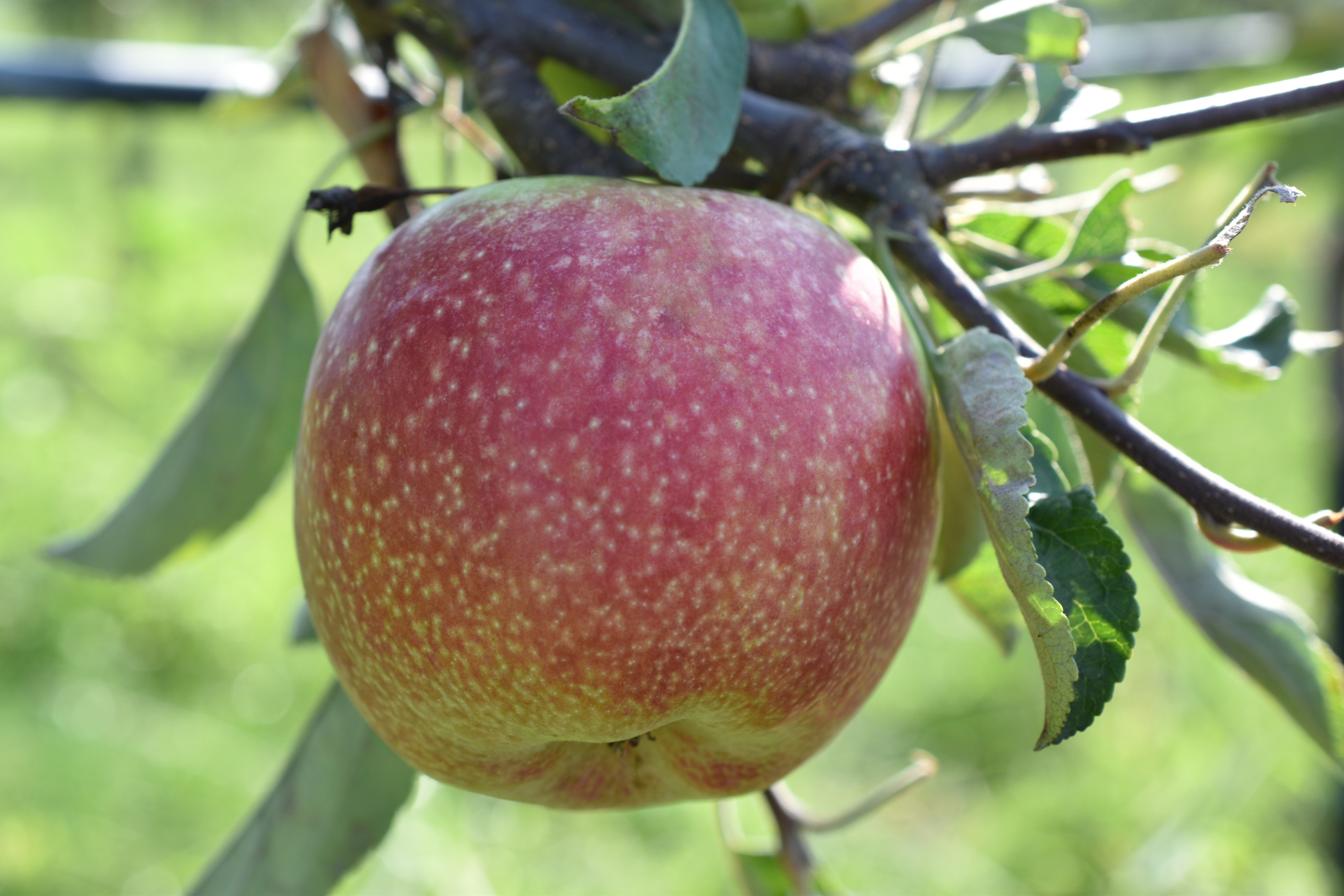
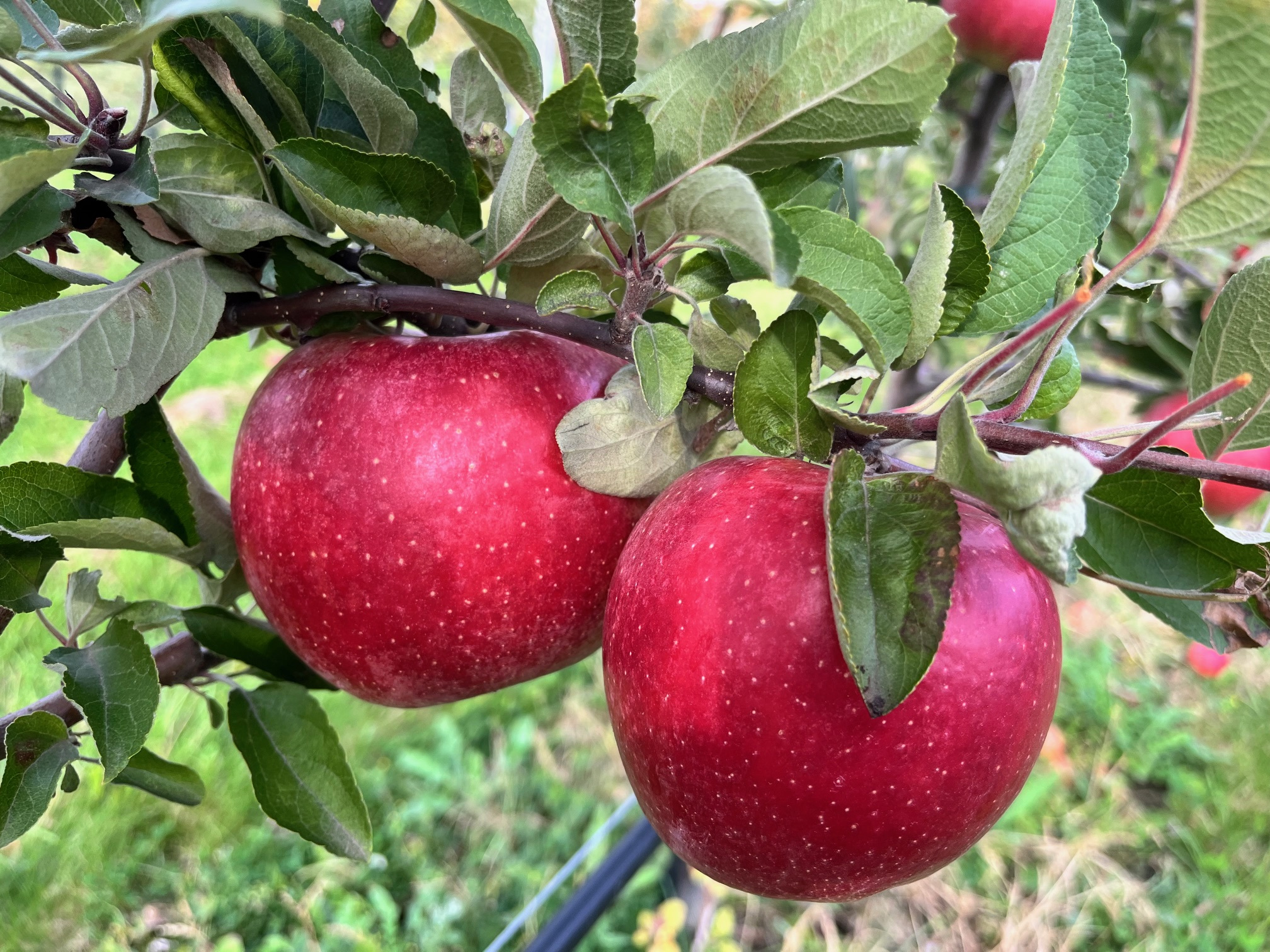
Fraulein
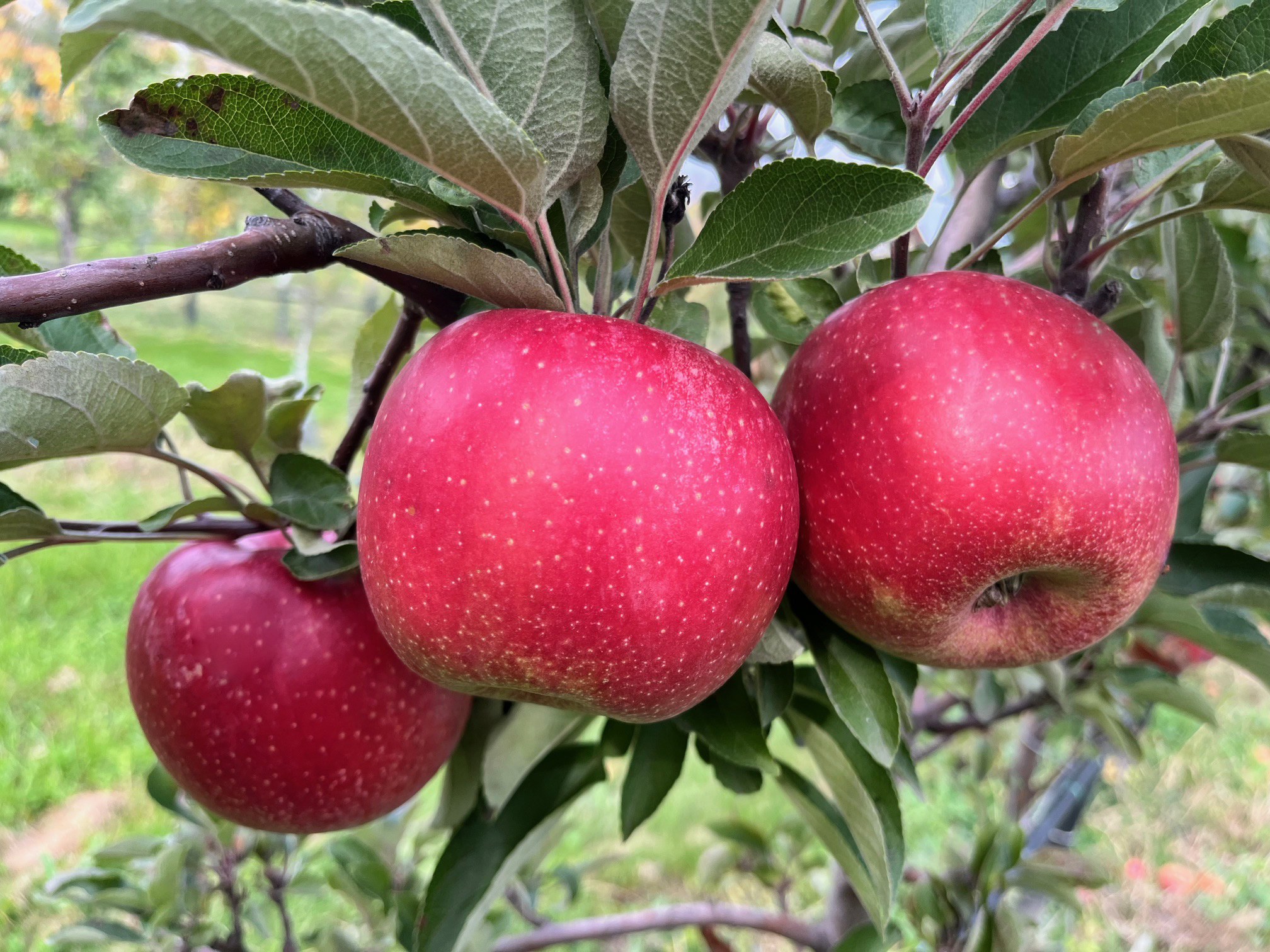
Short description of the species
Botanical name
Fraulein
Latin name
Malus domestica
Botanical name
apple
Scientific name
Malus domestica
Ripening
late winter variety
Origin/parentage
an open pollinated seedling of Braeburn, developed by Gerd Sundermeyer in Hannover, Germany; the pollen parent is presumed to be the cultivar Honeycrisp
Bearing
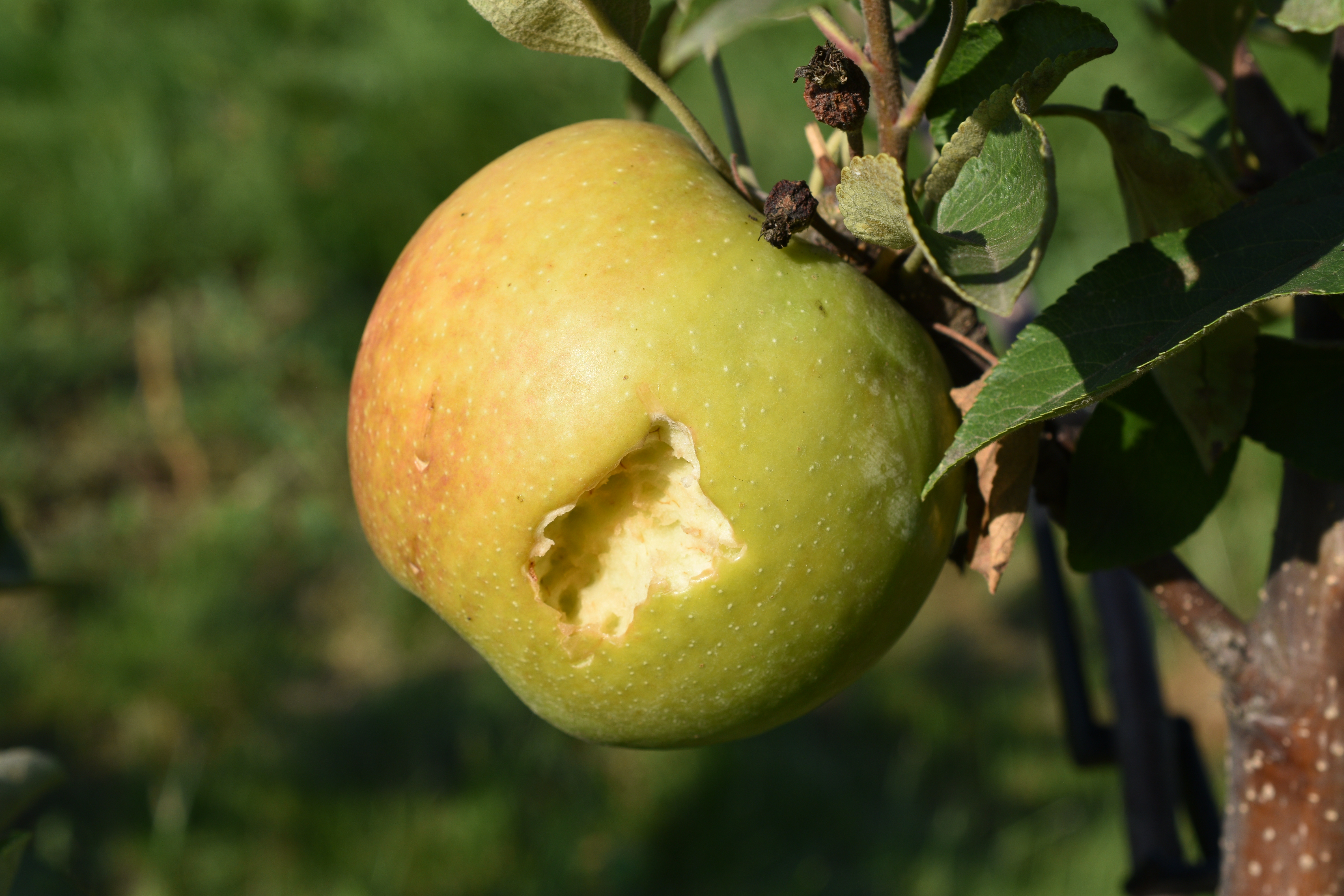
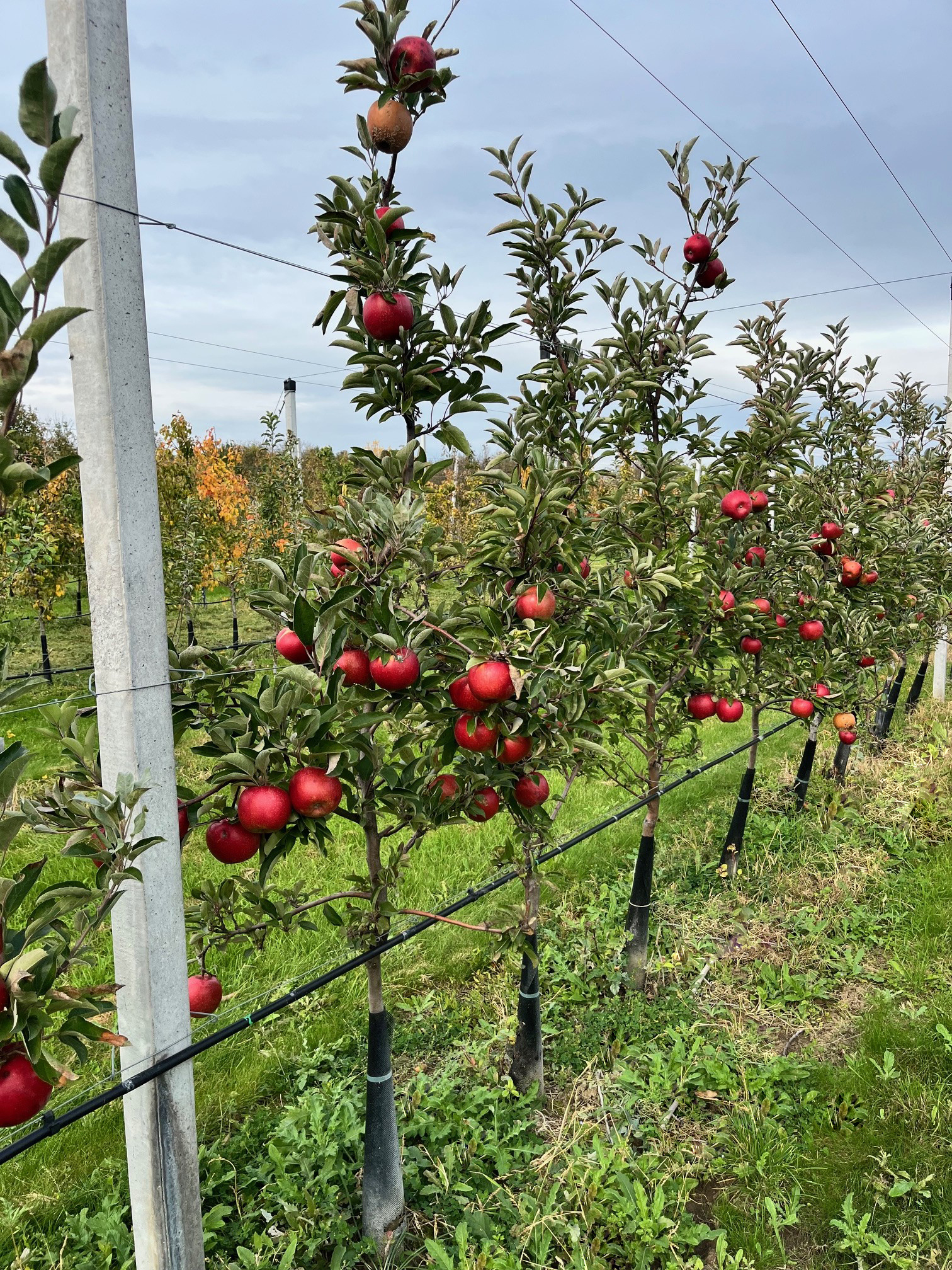
Early bearing; fruits are large (size class 75+). The cultivar is sensitive to deficiencies of Ca, K, Mg and Mn, with a tendency to develop bitter pit, therefore foliar nutrition is required.
Growth
Rather upright but moderate in vigour, similar to the cultivar Braeburn.
Health condition
It is not a typical resistant cultivar, but its susceptibility to scab is very low to negligible; however, it is susceptible to powdery mildew.
Harvest/storage
Ripens at the end of October; in ULO/CA storage it can be kept until May, although studies on long term storability have not yet been completed.
lightbulb
Interesting
The letters GS represent the initials of Gerd Sundermeyer, and 66 indicates the number of the original tree in the initial orchard.
accessibility
Usage
Versatile in use, especially for fresh consumption. It is very suitable for salads and fruit platters, as the flesh does not brown quickly, and it is also well suited for juices and smoothies.
contact_support
Labeling Plants with QR Codes
At the Faculty of Horticulture and Landscape Engineering at SPU in Nitra, we've created a project that offers visitors to our plantings a new way to discover the beauty and intriguing aspects of plants. Each plant in our plantings has its own unique QR code. All a visitor needs to do is scan this code with their smartphone.
Encyclopedy
Informácie
Kontakt
Fakulta záhradníctva a krajinného inžinierstva
Tulipánová 7, 949 76 Nitra
phone +421 (37) 641 4229 — study department
email henrieta.budayová@uniag.sk



Copyright © 2026 Faculty of Horticulture and Landscape Engineering