

 Slovenská verzia
- home
- Spices and aromatic plants
- Lamiaceae
- Common sage
- Common sage
Common sage
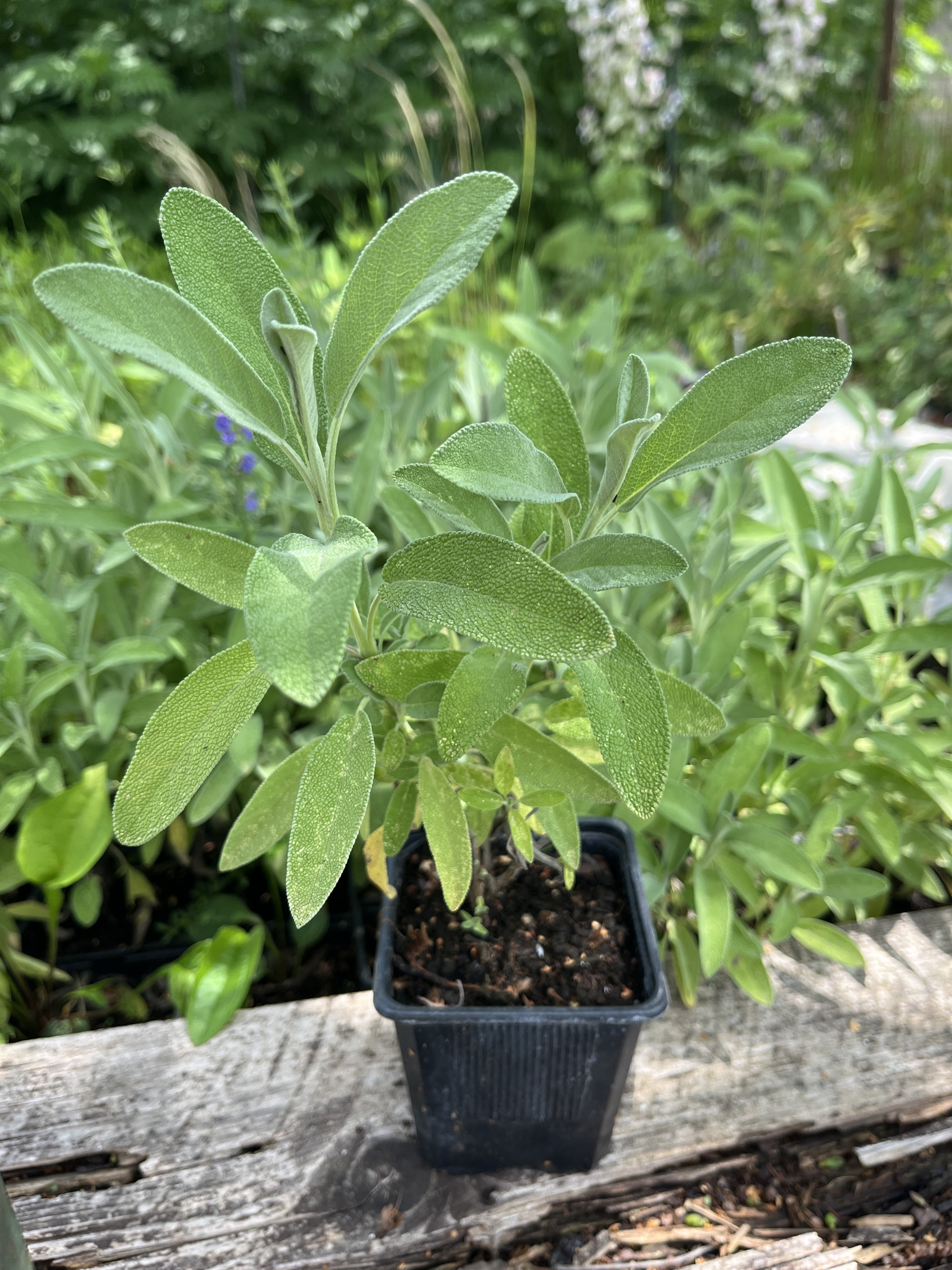
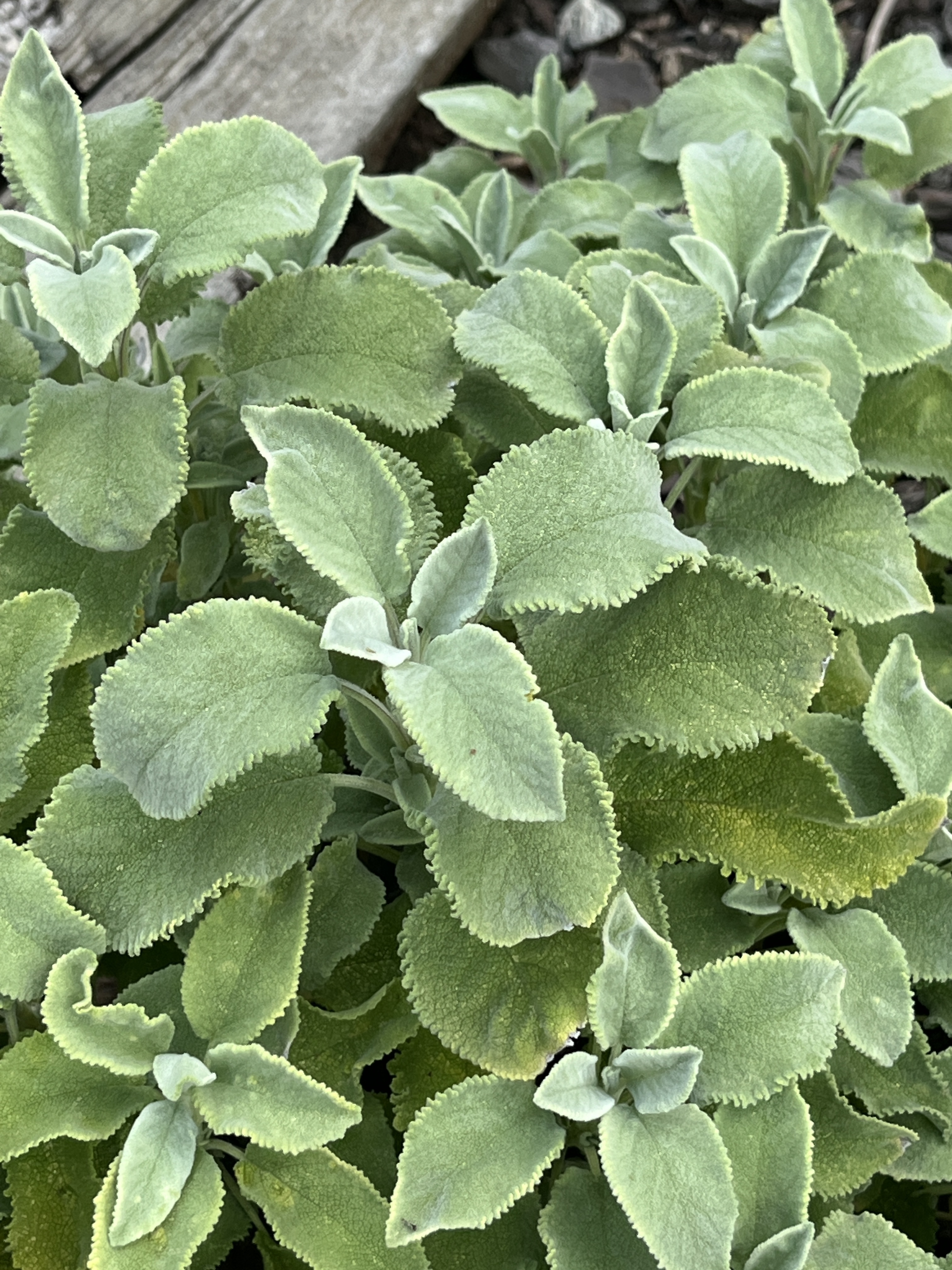

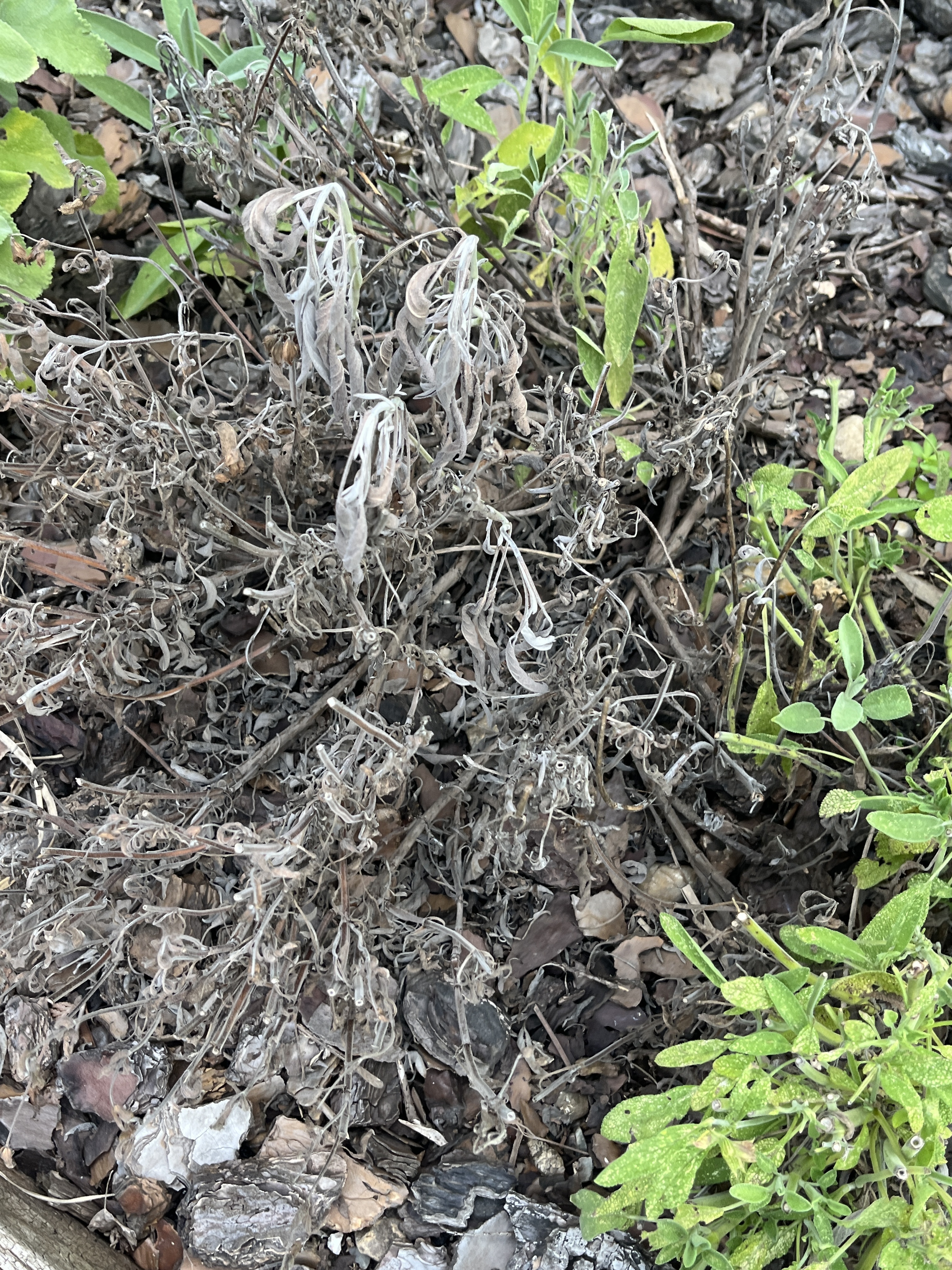
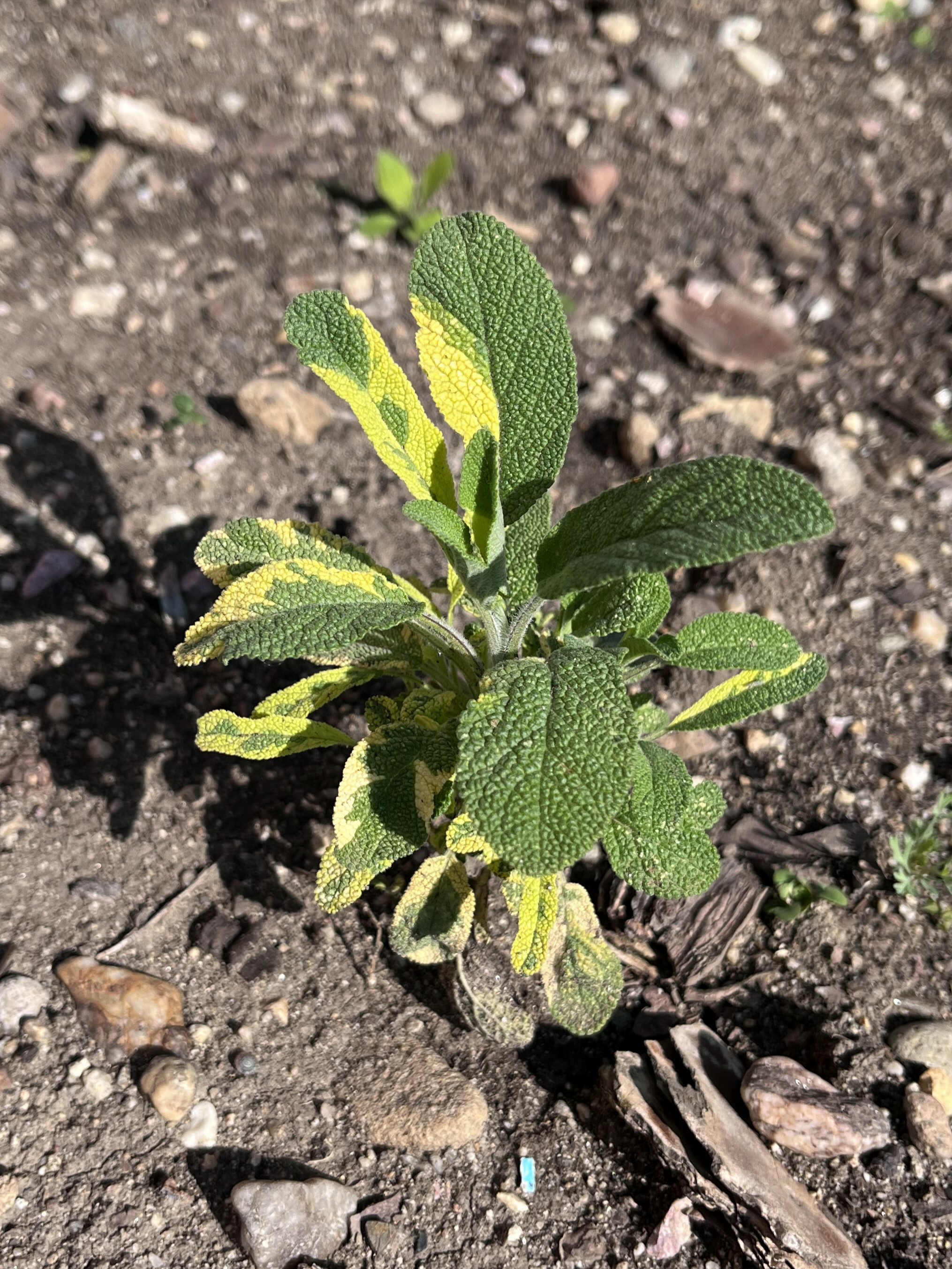
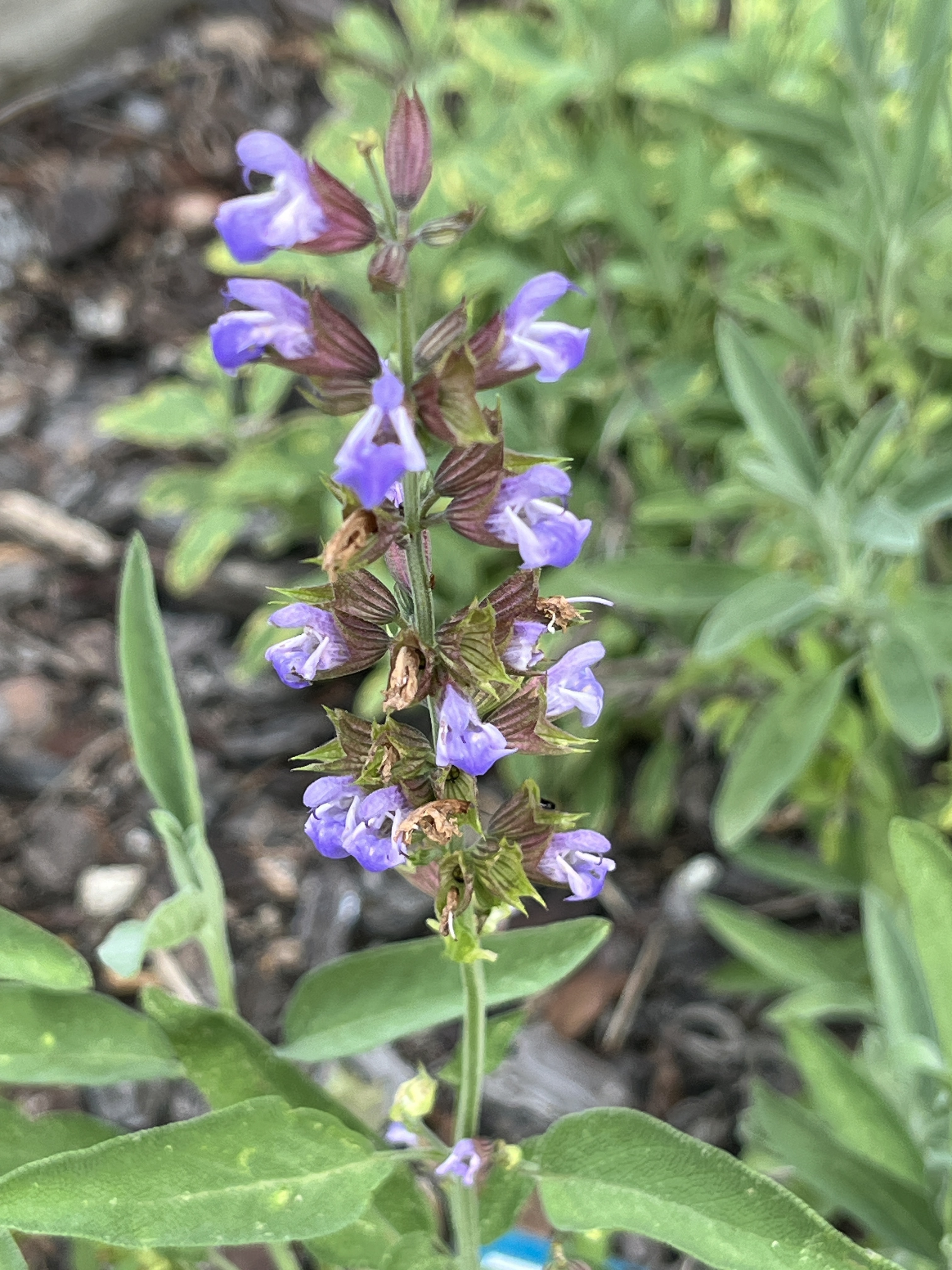
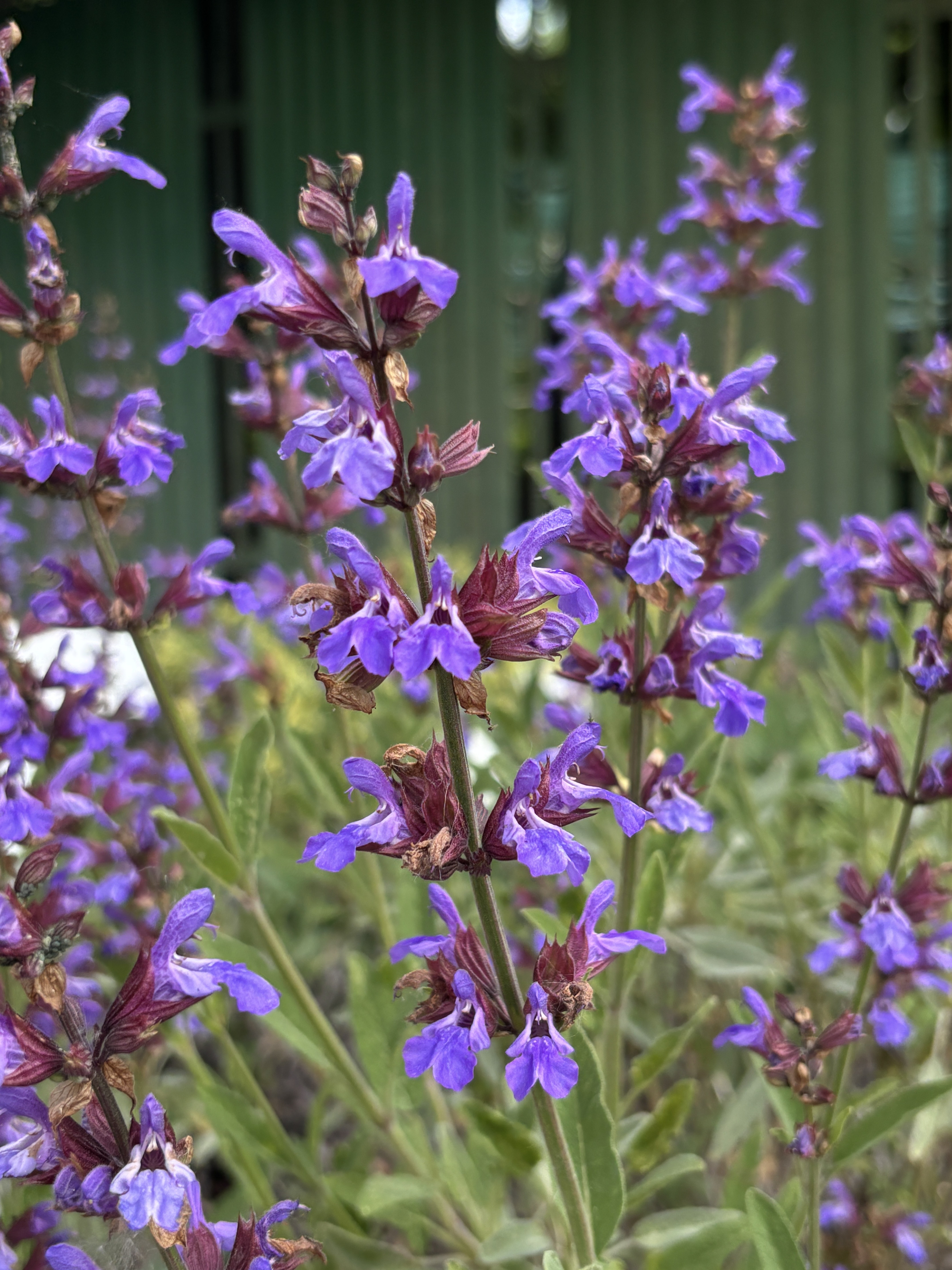
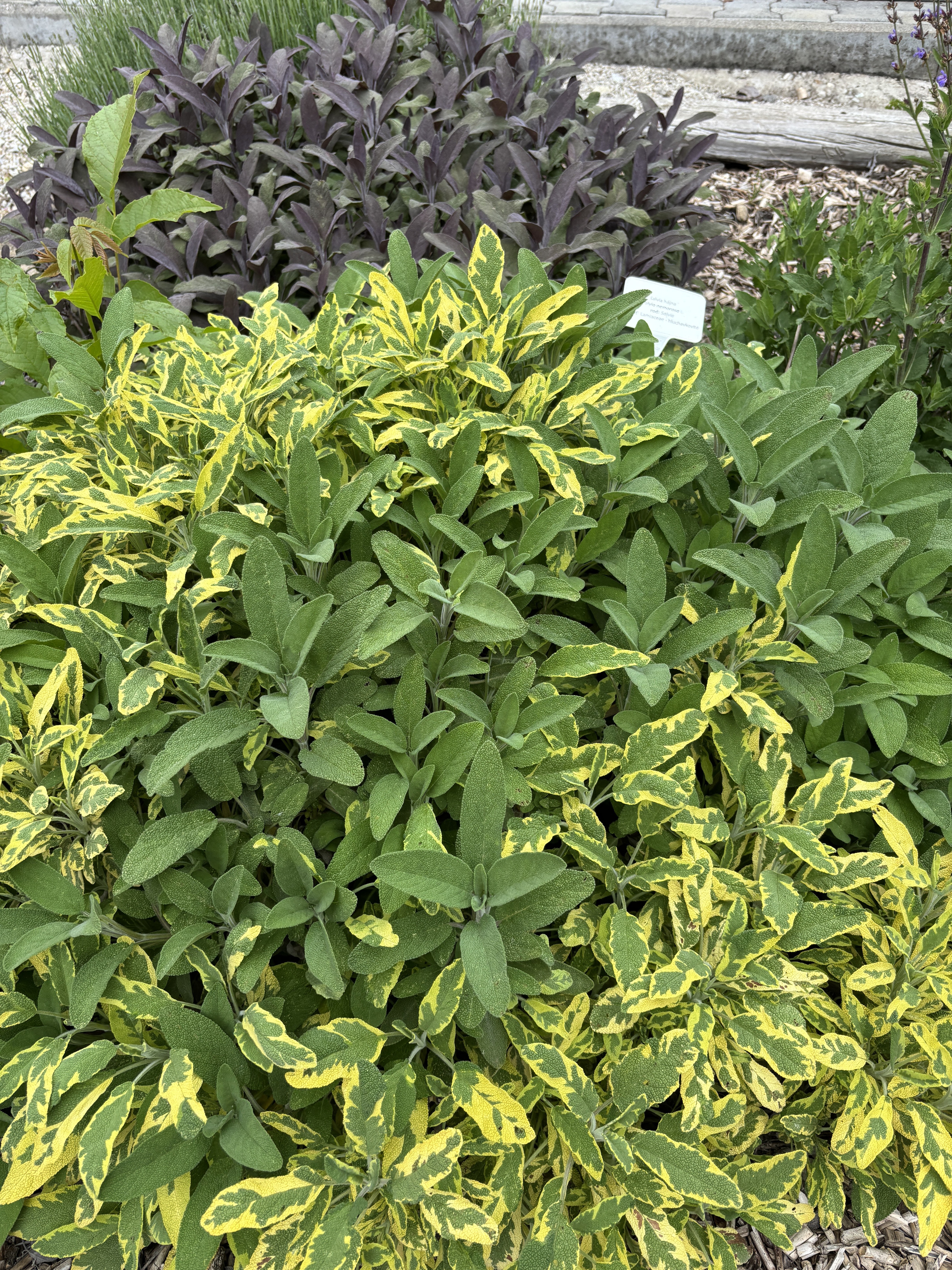
Short description of the species
Interesting
The name Salvia comes from the Latin word "salvare," meaning "to save" or "to heal," and refers to sage's traditional use as a medicinal herb.Usage
It is suitable for fatty and starchy dishes (e.g. duck, pork, poultry, beans, eggplant, tomato sauces, soups), and also for seasoning fish, cheeses, herb butters or spice blends.Inclusion in the crop rotation and fertilization requirements
Sage is a perennial, winters as an evergreen shrub.
Track: I. (can tolerate well-matured MH), II.
Suitable preceding crops: crops that leave the soil clean of perennial weeds, suitable are e.g. fertilized root crops, legumes, cereals, brassica species, root vegetables
Fertilization: Prefers organic fertilizers, compost or mature manure.
Varieties: Salvia officinalis has many varieties that differ in color, shape and size, taste as well as other properties.
Cultivation techniques
Sage is propagated from seed, by producing seedlings, or vegetatively (by cuttings or dividing older clumps).
Cultivation techniques – from seedlings
| Month | I. | II. | III. | IV. | V. | VI. | VII. | VIII. | IX. | X. | XI. | XII. |
|---|---|---|---|---|---|---|---|---|---|---|---|---|
| Sowing/covered areas | x | xx | ||||||||||
| Planting | x | x | ||||||||||
| Harvest/herb, leaf | xxx | xxx | xxx |
Harvesting - regular pruning promotes dense and healthy growth, cut just above the soil to obtain young shoots without inflorescences Use: suitable for fatty and starchy dishes (e.g. duck, pork, poultry, beans, eggplant, tomato sauces, soups), also for flavoring fish, cheese, herb butters or spice mixtures
Effect on human health
Constituents: essential oils, tannins, phenolic acids, bitters and others
Phytotherapeutic groups: stomachic, spasmolytic, carminative, disinfectant, cholagogue, corrigendum
Diseases and pests
Salvia officinalis is a relatively resistant plant, it can be affected by pests such as aphids, mites and whiteflies, or diseases such as powdery mildew and root rot (caused by soil fungi such as Phytophthora spp. or Pythium spp.).
Labeling Plants with QR Codes
At the Faculty of Horticulture and Landscape Engineering at SPU in Nitra, we've created a project that offers visitors to our plantings a new way to discover the beauty and intriguing aspects of plants. Each plant in our plantings has its own unique QR code. All a visitor needs to do is scan this code with their smartphone.
Encyclopedy
Informácie
Kontakt
Fakulta záhradníctva a krajinného inžinierstva
Tulipánová 7, 949 76 Nitra
phone +421 (37) 641 4229 — study department
email henrieta.budayová@uniag.sk



Copyright © 2026 Faculty of Horticulture and Landscape Engineering