

 Slovenská verzia
Chives
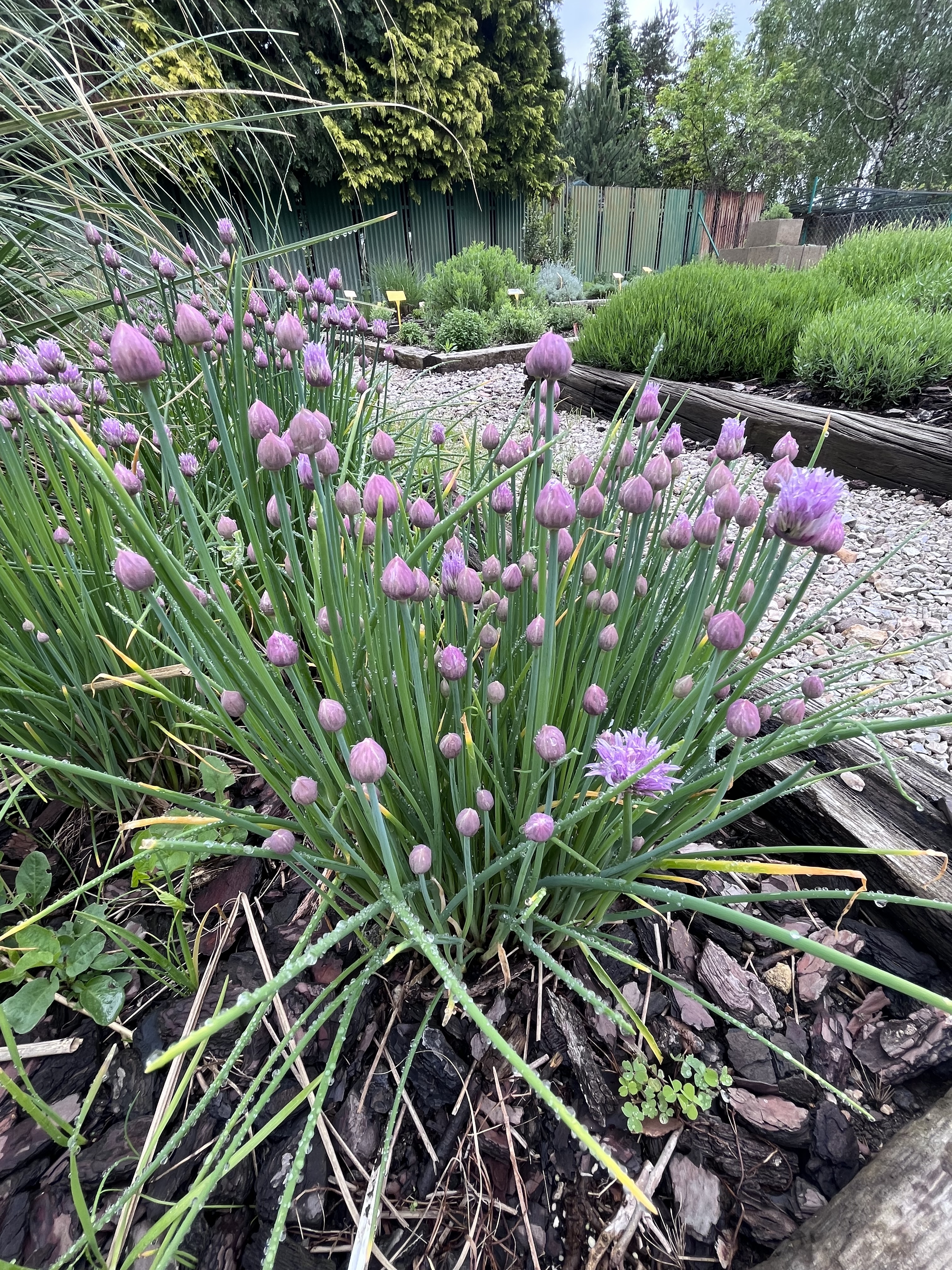
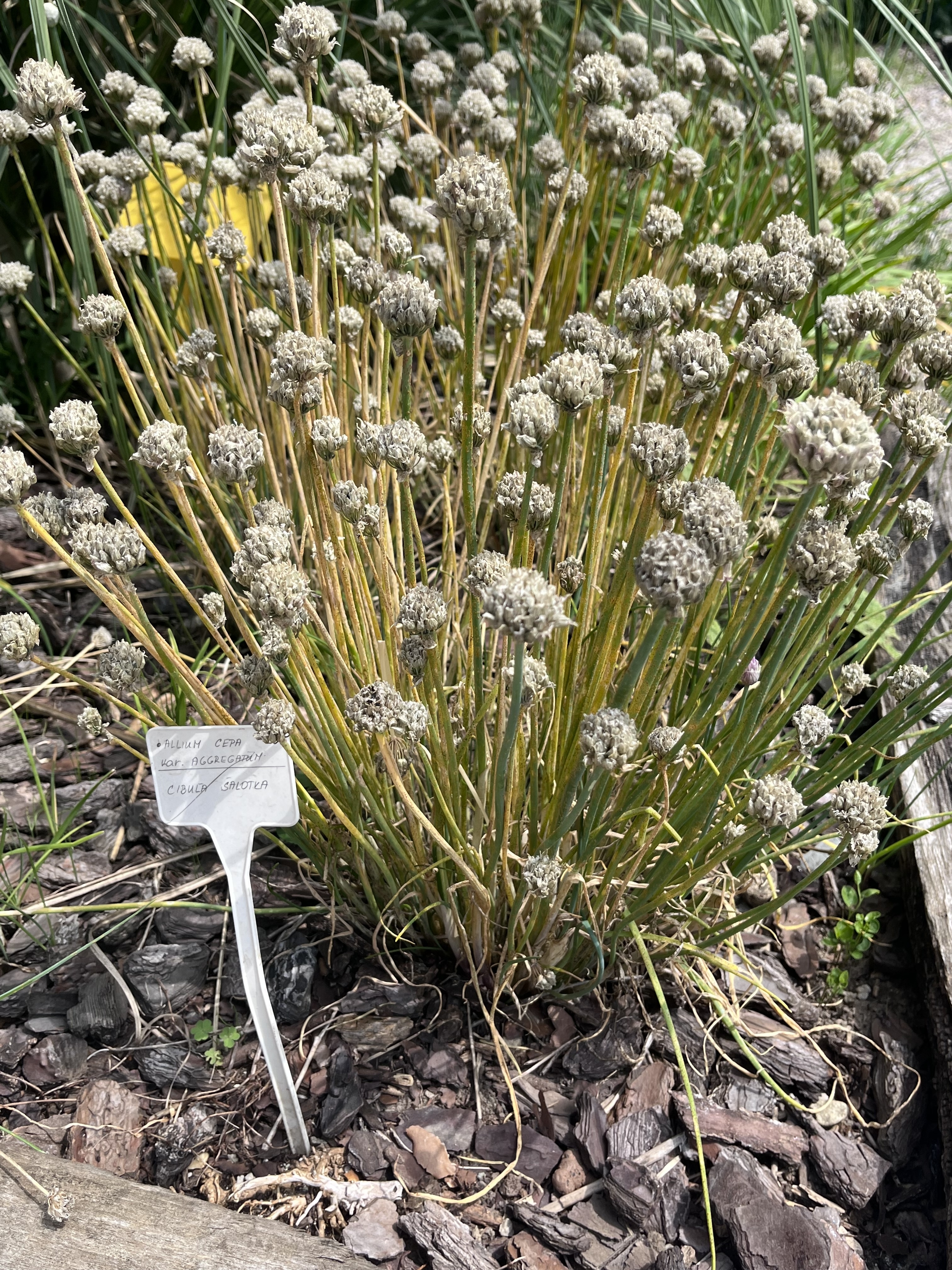
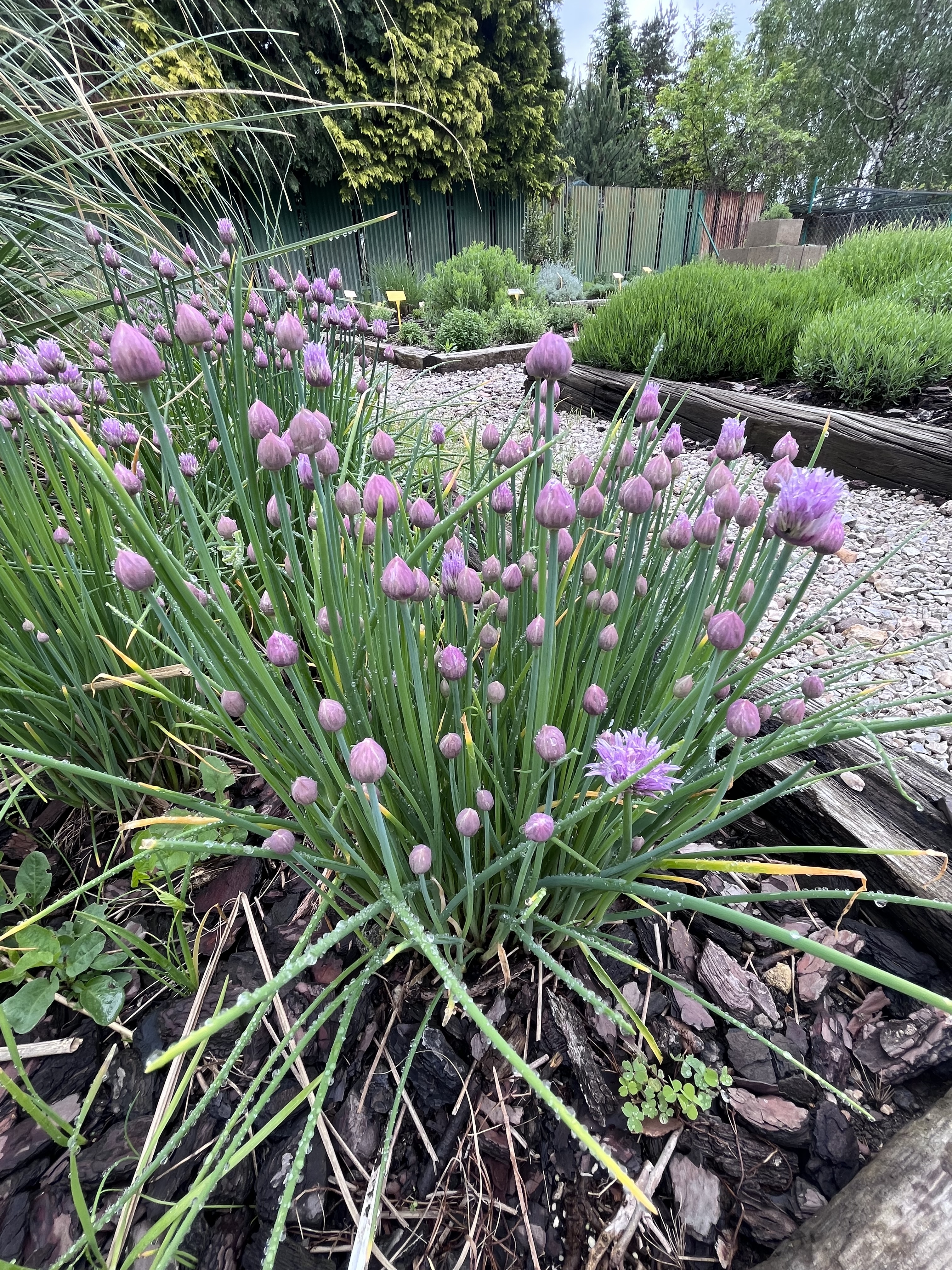
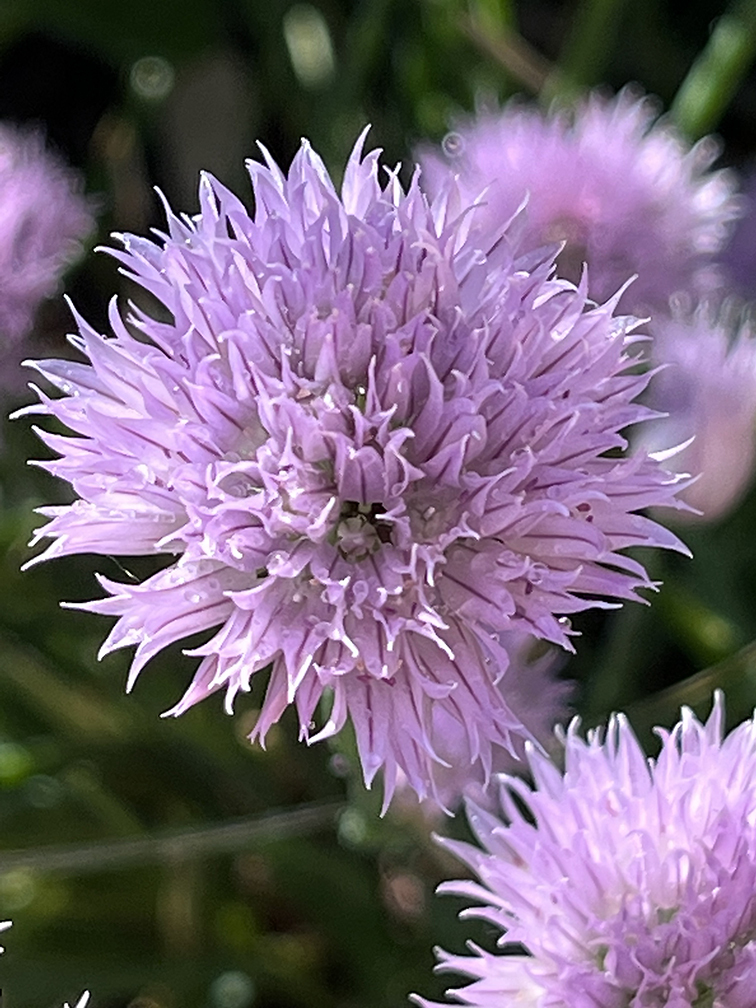
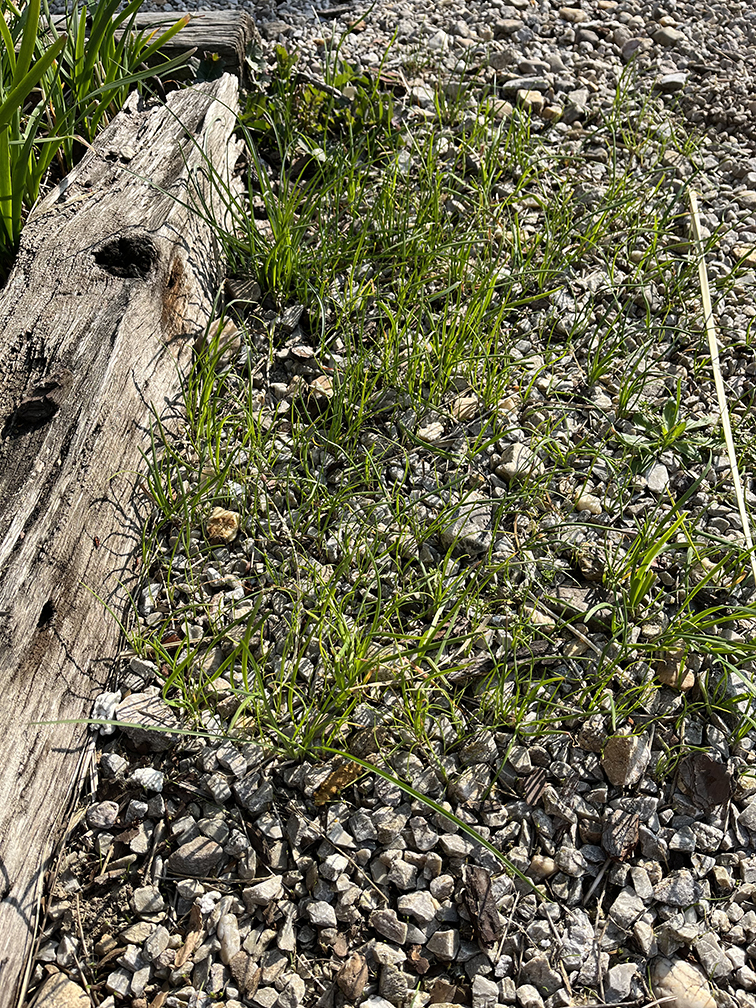
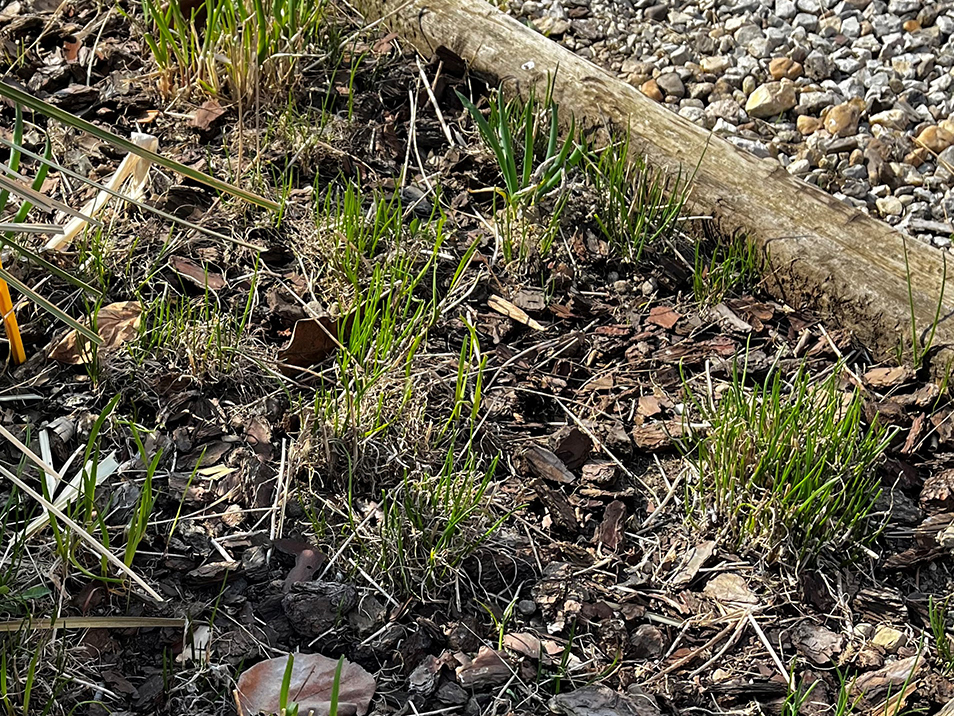
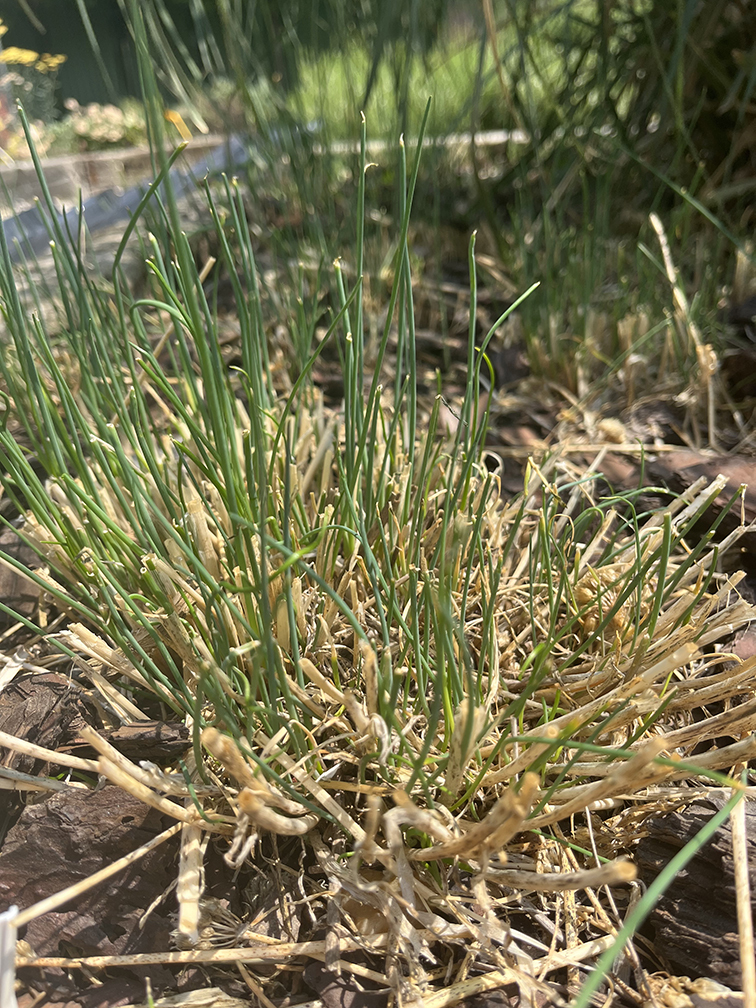
Short description of the species
Botanical name
Chives
Latin name
Allium schoenoprasum
Family
Amaryllidaceae
Origin
probably native to Europe, Asia and North America
Crop classification
leaf vegetable
Plant height
in leaf: 30 cm, in flowe: 60 cm
Plant width
30 – 60 cm
Exposure
sunny location, can tolerate partial shade
Temperature requirement
frost-resistant, perrenial
Optimal temperature
till 20-25°C
Water requirement
undemanding
Soil requirement
well-permeable, medium-heavy soil, rich in organic matter
Edible part
leaves, linden, flower
lightbulb
Interesting
In addition to the leaves, there is also interest in its decorative flowers, which are edible and add aesthetic value to food.
accessibility
Usage
decoration for adding a delicate onion taste and a colorful touch to soups, salads, potatoes, eggs and fish dishes, currently there is also interest in its edible flowersAgrotechnics of growing and harvesting
Propagation
- generative and vegetative way
- on larger areas we grow from direct sowing
Inclusion in the sowing process and fertilization requirements
- biennial plant
- in the second year it forms a flower
- in field culture, we grow it as a perennial crop, in one location for several years in a row (approx. 4 years)
- in colder climates, the above-ground parts of the plant die for the winter, but the roots survive underground
Track
- second
Suitable pre-crops
- legumes, cabbage, cereals, fertilized roots
Fertilization
- a nitrogen-demanding crop
Varieties
- they differ from each other, e.g. leaf color - from light green to deep green. Mostly early varieties with high fertility are offered, suitable for growing in containers as well as growing in the flower bed.
| Month | I. | II. | III. | IV. | V. | VI. | VII. | VIII. | IX. | X. | XI. | XII. |
|---|---|---|---|---|---|---|---|---|---|---|---|---|
| Sowing (covered areas) | XXX | |||||||||||
| Planting | XXX | |||||||||||
| Harvest | X | XXX | XXX | XXX |
Harvest
- continuously throughout the year, in intensive cultivation it is harvested with an adjustable mower, leaving a 5 cm base
Ingredients
- allicin, alliin, quercetin, kaempferol, sulfur compounds, essential vitamins and minerals, essential oils such as linalool and geraniol, saponins, fiber
Phytotherapeutic groups
- antibiotic, anthelmintic, antihypertensive, antiphlogistic
Diseases and pests
- Chive crops are most often damaged by onion perenospora (onion mold) (Perenospora destructor Berk.), leek rust (Puccinia porri Winter), alternaria spot and rot (Alternaria porri), white sclerotia rot (Sclerotium cepivorum). Pests of chives include the onion weevil (Ceutorrhynchus saturalis Fabr.), the garlic weevil (Acrolepia assectella Zell.
contact_support
Labeling Plants with QR Codes
At the Faculty of Horticulture and Landscape Engineering at SPU in Nitra, we've created a project that offers visitors to our plantings a new way to discover the beauty and intriguing aspects of plants. Each plant in our plantings has its own unique QR code. All a visitor needs to do is scan this code with their smartphone.
Encyclopedy
Informácie
Kontakt
Fakulta záhradníctva a krajinného inžinierstva
Tulipánová 7, 949 76 Nitra
phone +421 (37) 641 4229 — study department
email henrieta.budayová@uniag.sk



Copyright © 2026 Faculty of Horticulture and Landscape Engineering